
Beyond the Lounge: How Credit Card Rewards Are Missing the Traveler’s Journey
The same old airport lounge access has become the crown jewel of travel credit cards. But in a world where experiences reign supreme, are financial institutions missing a massive opportunity to truly enhance the travel experience?
The Airport Lounge Paradox
Picture this: After months of diligently accumulating credit card points, you finally reach the airport, flash your premium card, and gain entry to the hallowed airport lounge. You’re greeted by the same buffet offerings, the same moderately comfortable seating, and the same generic experience available to literally millions of other cardholders. Congratulations—you’ve accessed the pinnacle of credit card travel rewards.
Or have you?
In India’s competitive credit card landscape, where over 78 million cards compete for consumer attention, financial institutions have fallen into a peculiar monotony. According to the Reserve Bank of India, credit card issuance grew by 26% in 2023 alone, yet the reward propositions remain stubbornly similar: airport lounge access, complimentary insurance, and the occasional dining discount.
The numbers tell a revealing story. A 2023 industry report by PaymentsBanking found that 84% of premium travel credit cards in India offer airport lounge access as their headline benefit, with 92% featuring it prominently in marketing materials. Yet, when surveyed, only 36% of cardholders used this benefit more than twice per year.
The paradox is clear: the most advertised credit card travel benefit is both oversaturated and underutilized.
The Untapped Journey Beyond the Terminal
What’s particularly baffling about this fixation on airport lounges is that they represent just a tiny fraction of the travel experience—typically less than 5% of the total journey time. The average international traveler from India spends approximately 14 hours in transit but potentially 4-7 days at their destination.
Consider these striking statistics:
– The average international leisure traveler from India spends ₹1.2 lakh per trip, with less than 2% of that amount spent in airports
– 76% of Indian travelers in a 2023 MakeMyTrip survey indicated “unique experiences” as their top travel priority
– 68% of millennials and Gen Z travelers value experience-based rewards over monetary discounts
Yet credit card reward programs continue their laser focus on those brief airport moments, neglecting the vast landscape of opportunities that unfold the moment travelers exit the arrival terminal.
“Credit card companies have mastered the art of making people feel special for accessing a crowded room with free snacks and Wi-Fi,” quips travel industry consultant Raj Mehta. “Meanwhile, the actual destination—the entire point of traveling—remains largely untouched by their reward ecosystems.”
The Experience Economy Opportunity
The global shift toward an experience economy is well-documented. A 2023 McKinsey study found that experiential spending has grown 1.5 times faster than spending on physical goods among premium consumers worldwide. This trend is particularly pronounced in India, where rising disposable incomes are increasingly directed toward memorable experiences rather than material possessions.
Indian travelers are now actively seeking:
– Authentic cultural experiences (cited by 72% of respondents in a 2023 Thomas Cook survey)
– Exclusive access to attractions and activities (64%)
– Personalized itineraries tailored to interests (58%)
– Seamless digital booking and access (76%)
Specialized experience providers have recognized this opportunity. Platforms that curate and deliver destination experiences have seen remarkable growth, with the experiences market in India growing at a CAGR of 29% between 2019 and 2023, according to industry reports.
TripXOXO, for instance, has built an extraordinary catalog of over 200,000 activities across 140 countries, ranging from guided heritage walks in Jaipur to exclusive after-hours museum access in Singapore. Their offerings include 2,000 airport transfer options worldwide—a critical service that credit card providers frequently overlook despite its central importance to traveler satisfaction. The platform’s data indicates that travelers who book experiences through specialist providers report 42% higher satisfaction with their overall trip compared to those who rely on traditional hotel concierge services.
What Credit Card Programs Are Missing
The fixation on airport lounges represents a failure of imagination in reward program design. Consider the traveler’s actual journey:
1. Pre-departure phase: Beyond lounge access, travelers need assistance with visa services, travel insurance, and pre-trip planning.
2. Airport experience While lounges address part of this phase, travelers also value fast-track security, luggage handling, and airport transfers.
3. In-destination experience: This is where the greatest opportunity lies—access to local experiences, tours, activities, dining, and entertainment.
4. Return journey: Similar needs to the outbound journey, plus potential assistance with duty-free purchases and customs.
Forward-thinking reward programs could provide value across this entire journey. Yet according to an analysis of the top 15 travel credit cards in India, 93% focus their premium benefits exclusively on phases 1 and 2, with minimal attention to the actual destination experience.
“It’s as if credit card companies believe their relationship with the traveler ends once the plane takes off,” notes consumer banking analyst Priya Singh. “This creates a massive opportunity gap that specialized experience providers are already filling.”
The Integration Imperative
Financial institutions face a critical strategic choice: continue the airport lounge arms race or expand their reward ecosystems to encompass the entire travel journey.
Some international players have begun making this shift. Capital One’s partnership with experience providers allows cardholders to book activities using points, while American Express has expanded its Centurion Lounge concept to include city-center lounges in key destinations like Sydney and Hong Kong.
In India, however, most card issuers remain fixated on domestic lounge access, even as airport infrastructure struggles to accommodate the growing number of “privileged” lounge users. The result? Overcrowded lounges that diminish the very exclusivity they’re meant to convey.
The integration imperative is clear: credit card issuers must develop partnerships that extend their reward ecosystem from origin to destination and back. This requires sophisticated reward management infrastructure capable of:
– Integrating diverse experience providers into a unified reward ecosystem
– Delivering personalized offers based on traveler preferences and destinations
– Processing real-time redemptions across multiple touchpoints
– Analyzing redemption patterns to continuously refine the experience portfolio
Companies like RewardPort have pioneered such infrastructure in India, enabling brands to create seamless reward experiences across physical and digital touchpoints. Their platform has facilitated over 10 million reward redemptions annually, demonstrating the scalability required for financial institution integration.
“The technology to deliver end-to-end travel experiences exists,” explains loyalty technology specialist Vikram Patel. “What’s missing is the strategic vision to move beyond the lounge paradigm.”
Reimagining the Credit Card Travel Reward
What might a truly comprehensive credit card travel reward program look like? Consider this potential journey:
Pre-departure: Your premium card automatically provides expedited visa processing for your Thailand trip and recommends experiences based on your past travel behavior.
At departure airport:Yes, you still get lounge access, but also fast-track security and a digital QR code for duty-free discounts specific to your destination.
In flight:Your in-flight Wi-Fi is complimentary, and you receive a push notification about exclusive cardmember experiences in Bangkok.
Upon arrival: Your card provides complimentary transfer to your hotel, and your digital wallet shows available experiences—from private long-tail boat tours to after-hours temple visits—that can be instantly booked with points.
Throughout your stay: Your card serves as a digital concierge, offering privileged access to restaurants, attractions, and shopping, with real-time point earning and burning options.
Return journey: Similar benefits for your journey home, plus assistance with tax refunds and customs processing.
This vision represents what loyalty experts call “full-journey reward integration,” and it’s surprisingly achievable with existing technology. Platforms like TripXOXO have already curated the necessary destination experiences, while reward management systems like those offered by RewardPort provide the technological infrastructure to deliver seamless redemption.
The missing ingredient is strategic commitment from financial institutions.
First Movers and the Competitive Advantage
The first credit card issuer to break from the lounge-centric model and truly embrace destination experiences will likely gain significant competitive advantage. Industry analysis suggests that comprehensive travel experiences could increase:
– Card acquisition rates by 28-35% among premium travel segments
– Annual spend by 42% among heavy travelers
– Retention rates by up to 23% for premium cards
Early signs of this shift are emerging. HDFC Bank’s partnership with experience providers for its Infinia card and Axis Bank’s limited destination benefits show nascent recognition of the opportunity. However, no major Indian credit card has yet fully committed to the destination experience proposition.
The hesitation is understandable. Building an experience ecosystem requires significant investment in partner onboarding, technology integration, and business model innovation. It’s far easier to simply add another airport lounge to the network.
Yet the payoff for first movers could be substantial. A McKinsey analysis of financial services loyalty programs found that leader banks enjoy 80% higher cross-sell rates and 46% greater wallet share compared to followers.
The Future of Travel Rewards
The post-pandemic travel resurgence presents an ideal moment for credit card issuers to rethink their reward paradigms. Indian outbound travel has not only recovered but expanded, with 13.9 million overseas trips taken in 2023, according to data from the Bureau of Immigration.
These travelers are increasingly sophisticated, digitally savvy, and experience-hungry. They have higher expectations for their credit card rewards than a plate of samosas in an overcrowded airport lounge.
The banks that recognize this shift—and construct reward ecosystems spanning the entire travel journey—will find themselves with a distinctive value proposition in an otherwise homogeneous market.
As experience platforms continue expanding their offerings and specialized reward management providers refine their technologies, all the building blocks for this transformation are in place. The question is not whether credit card travel rewards will evolve beyond the lounge, but which issuer will lead the way.
Perhaps it’s time for financial institutions to check out of the lounge and check in to the actual destination. After all, that’s where the real travel experiences begin.
—
*About the Author: This article was researched and prepared by the editorial team at RewardPort and tripXOXO drawing on industry reports, consumer surveys, and expert interviews to provide an evidence-based analysis of current trends in credit card rewards and travel experiences.*

The Science of Play: How India’s Top Brands Are Using Gamification to Transform Customer Engagement
In the battle for consumer attention, brands worldwide and in India are discovering a powerful truth: humans are hardwired to play. The strategic implementation of game mechanics in non-game contexts—what we call gamification—is transforming how companies engage customers, drive behaviors, and build lasting loyalty.
“The most successful brands today understand that engagement isn’t just about transactions—it’s about creating experiences that tap into fundamental human motivations,” explains behavioral economist Dr. Yu-kai Chou, creator of the Octalysis Framework for gamification. “Gamification works because it activates the same psychological triggers that have captivated humans since childhood.”
Industry research consistently shows that well-designed gamification can significantly impact key business metrics, including engagement rates, purchase frequency, and customer retention. For Indian businesses navigating an increasingly competitive landscape, these engagement strategies represent a significant opportunity. But what separates truly effective gamification from superficial point systems? Let’s explore how innovative brands are applying the science of play to transform customer engagement.
Beyond Points and Badges: The Psychology of Effective Gamification
The most basic loyalty programs operate on simple transactional principles: spend money, earn points, redeem rewards. While this approach has its place, sophisticated gamification delves deeper into human psychology.
Effective gamification taps into three fundamental human motivators—mastery, autonomy, and purpose. The brands achieving extraordinary results are designing experiences that address all three elements.
Mastery
Humans are naturally driven to develop skills and overcome challenges. Programs that incorporate progression systems, levels, and increasing challenges create a sense of achievement that keeps customers engaged.
Autonomy
People value choice and self-direction. Gamification that offers multiple paths, personalized challenges, and self-selected goals generates stronger participation than one-size-fits-all approaches.
Purpose
Connecting activities to meaningful outcomes—whether personal achievement or contribution to larger causes—creates emotional resonance that pure transactional relationships cannot match.
Case Study: Starbucks Rewards’ Multi-Level Engagement
Starbucks’ reward program, which operates in India and globally, incorporates several well-documented gamification principles:
– Tiered Status System: Customers progress through status levels, unlocking increasing benefits
– Challenge Mechanics: The program includes limited-time missions that reward specific purchase patterns
– Personalized Offers: The app delivers individualized challenges based on past behavior
– Surprise Elements: Occasional bonus offers create unpredictability and delight
The program demonstrates how effective gamification can create habitual engagement with a brand beyond simple transactional relationships. The tiered approach particularly leverages the human desire for achievement and status, while personalized challenges create a sense of relevance that generic promotions lack.
The technology supporting this program relies on sophisticated customer data processing, personalization algorithms, and cross-channel integration—capabilities that have become essential for contemporary loyalty platforms.
Case Study: Digital Payment Platforms and Financial Behavior
Several Indian digital payment platforms have successfully implemented gamification to encourage specific financial behaviors:
– Streak Rewards: Incentives for consecutive days of app usage or specific transaction patterns
– Discovery Challenges: Missions designed to encourage trying new payment categories or merchants
– Financial Wellness Scoring: Gamified metrics that improve as users demonstrate healthy financial behaviors
– Achievement Recognition: Visual representations of milestones and accomplishments
These gamification elements transform routine financial transactions into more engaging experiences. By adding elements of progression, achievement, and immediate positive feedback, these platforms have created more compelling user experiences than traditional banking interfaces.
“What makes this approach particularly effective is that it aligns customer behavior with their own financial well-being,” explains digital payments analyst Rajesh Kumar. “The gamification creates immediate gratification while encouraging beneficial long-term habits.”
Case Study: Fitness Apps and Achievement Systems
Fitness and wellness apps have been particular pioneers in effective gamification. Major global brands with strong Indian presence have implemented:
– Achievement Badges: Digital awards for milestone accomplishments
– Progressive Challenges: Increasingly difficult goals that build capability over time
– Social Competition: Leaderboards and friend challenges that create healthy competition
– Streak Mechanics: Rewards for consistent activity over time
These elements transform individual fitness activities into more social, competitive, and achievement-oriented experiences. The most successful implementations maintain a careful balance between challenge and achievability, ensuring users experience regular wins while still feeling motivated to improve.
“Fitness gamification works because it addresses key motivational barriers,” notes sports psychology specialist Anita Desai. “The immediate gratification of achievement badges helps overcome the delayed gratification of physical results, while social elements add accountability and community.”
Implementing such systems requires seamless integration between activity tracking, social components, achievement systems, and reward fulfillment—precisely the kind of complex ecosystem management that specialized loyalty platforms are designed to support.
The Technology Infrastructure Behind Successful Gamification
Delivering seamless, responsive gamified experiences requires sophisticated technology infrastructure. Leading implementations typically integrate:
1. Real-time Event Processing: Systems capable of tracking user actions and triggering immediate responses
2. Personalization Engines: AI-driven systems that customize challenges based on individual behavior patterns
3. Behavioral Analytics: Platforms that identify which game mechanics drive desired outcomes for different user segments
4. Cross-channel Integration: Technology that maintains consistent gamified experiences across web, app, and physical touchpoints
5. Dynamic Content Delivery: Systems that can rapidly deploy new challenges, rewards, and game mechanics
“The technical requirements for effective gamification are often underestimated,” cautions technology integration specialist Vikram Singh. “Brands frequently focus on the visible elements—points, badges, leaderboards—without investing in the underlying infrastructure that makes experiences responsive and personalized.”
This infrastructure gap explains why many gamification initiatives underperform. Industry analysts consistently find that implementation challenges often relate to technical limitations rather than conceptual flaws.
For brands without extensive in-house technology capabilities, specialized loyalty and engagement platforms have become essential partners, providing the technical foundation for sophisticated gamification without requiring massive IT investments.
Case Study: Fashion E-commerce Engagement Programs
Leading Indian fashion e-commerce platforms have implemented gamification elements to enhance the shopping experience:
– Style Challenges: Time-limited missions to create outfits or shop specific looks
– Tiered Membership Programs: Status levels with increasing benefits
– Exclusive Access Mechanics: Early or special access to collections based on activity
– Community Recognition: Systems for highlighting user expertise and contributions
These elements transform standard e-commerce into more interactive and engaging experiences. By adding elements of creativity, achievement, status, and community contribution, these platforms extend engagement beyond transactional purchasing.
The implementation requires sophisticated integration between content management, user account systems, reward management, and e-commerce functions—complex technological orchestration that benefits from specialized expertise in engagement platform development.
Common Pitfalls and How to Avoid Them
Despite its potential, gamification implementation often encounters predictable challenges:
1. Complexity Overload
Many loyalty programs launch with multiple, overlapping game mechanics that confuse users. Successful programs typically begin with a small set of clearly explained mechanics before gradually introducing greater complexity.
2. Reward-Value Misalignment
Programs sometimes offer rewards that don’t align with user expectations or effort required. Effective gamification requires careful calibration of the value exchange to ensure participants feel fairly rewarded for their engagement.
3. Neglecting the “Fun Factor
Some implementations focus entirely on business objectives without considering whether the experience is actually enjoyable. Truly successful gamification balances organizational goals with genuine entertainment value.
4. Short-Term Thinking
Many gamification efforts are structured as short-term campaigns rather than ongoing engagement systems. Programs with sustained impact typically feature regular content refreshes, seasonal variations, and evolving challenges to maintain interest.
Case Study: Food Delivery Platform Engagement
Major food delivery platforms in India have implemented various gamification elements:
– Delivery Experience Gamification: Interactive elements while waiting for food to arrive
– Consistency Programs: Benefits for ordering patterns over time
– Exploration Incentives: Challenges encouraging discovery of new restaurants or cuisines
– Collection Mechanics: Limited-time virtual collectibles tied to specific food categories
These elements add layers of engagement to what would otherwise be straightforward ordering systems. By rewarding exploration, consistency, and varied engagement, these platforms create additional motivation for customers to return regularly.
The technology orchestrating these experiences requires real-time integration between merchant systems, delivery logistics, customer profiles, and reward fulfillment—sophisticated infrastructure that has become a specialty of dedicated engagement platform providers.
Emerging Trends: The Future of Gamification
As gamification continues to evolve, several emerging trends indicate where this discipline is heading:
1. AR Integration
Augmented reality is creating new possibilities for location-based gamification that bridges physical and digital experiences. The global success of AR-based games demonstrates the potential for gamified retail discovery and in-store experiences.
2. Purpose-Driven Gamification
Programs that connect engagement to meaningful causes are gaining traction. Several payment platforms have implemented sustainability-focused gamification, rewarding digital transactions that save paper and reduce carbon footprints.
3. Collaborative Challenges
Team-based challenges that leverage existing social connections show growing popularity. Fantasy sports platforms in India have demonstrated the power of collaborative play to drive engagement and retention.
4. Hyper-Personalized Journeys
Advanced analytics are enabling increasingly personalized game experiences that adapt to individual preferences. E-commerce and grocery delivery platforms have begun implementing personalized shopping challenges based on purchase history.
Getting Started: A Practical Framework
For brands looking to implement effective gamification, this phased approach minimizes risk while building organizational capability:
Phase 1: Behavioral Mapping
Before designing game mechanics, identify specific behaviors you aim to encourage and the current barriers preventing those actions.
Phase 2: Motivation Matching
Research which rewards and recognition types resonate most powerfully with your specific customer segments.
Phase 3: Simplicity First
Begin with 2-3 core mechanics that directly address your highest-priority behavioral objectives.
Phase 4: Measurement Framework
Establish clear metrics that distinguish between engagement with the game mechanics themselves and the business outcomes they’re designed to influence.
Phase 5: Iteration Cycles
Plan regular assessment intervals to analyze performance data and refine mechanics based on actual user behavior.
Conclusion: Play With Purpose
As gamification becomes increasingly sophisticated, the distinction between “loyalty programs” and “games” continues to blur. The most successful brands recognize that effective gamification isn’t about superficial point systems—it’s about creating purposeful play experiences that align customer enjoyment with business objectives.
For Indian brands navigating an increasingly competitive landscape, gamification offers a powerful engagement strategy that resonates across demographic segments. Those who build the necessary technological infrastructure and apply behavioral science principles thoughtfully will discover what game designers have known for decades: few forces are more powerful than the human drive to play, achieve, and win.
The brands implementing gamification successfully demonstrate that this approach isn’t merely trendy—it delivers concrete business results when executed with strategic insight and technical excellence. These capabilities, once available only to the largest organizations, have now become accessible to companies of all sizes through specialized engagement platforms with proven expertise in bringing game mechanics to life.

Scan-to-Earn Revolution: How QR-Based Micro-Experiences Are Transforming Indian FMCG Promotions
In the world of consumer promotions, we’ve come a long way from the humble scratch card. Remember the anticipation of revealing whether you’d won a refrigerator or just another “Better luck next time”? While that tactile experience has its nostalgic charm, today’s consumers expect something more sophisticated from the brands competing for their attention.
Enter the era of QR-based micro-experiences—a transformative approach to consumer promotions that is revolutionizing how Indian FMCG brands engage with their customers. This isn’t merely replacing physical codes with digital ones; it’s fundamentally reimagining what a promotion can achieve.
From Codes to Experiences: The Evolution of Consumer Promotions
Traditional consumer promotions followed a predictable pattern: buy product, find code, enter code somewhere, maybe win something. The primary metric was redemption rate, typically hovering between 1-5% for most campaigns. The remaining 95-99% of customers? They simply threw away the packaging along with the promotion opportunity.
“The traditional code-under-cap model walked so the QR micro-experience could run,” observes marketing strategist Deepa Sharma. “Brands spent decades training consumers to look for hidden codes. Now they’re leveraging that behavior but delivering something exponentially more valuable than a randomized prize draw.”
The statistics support this evolution. According to recent industry data, QR-triggered promotional experiences achieve:
– 78% higher engagement rates compared to traditional code entry methods
– 3.4x higher data capture than standard sweepstakes promotions
– Average session duration of 2:45 minutes (compared to 0:42 seconds for traditional code entry)
– 42% of participants making a repeat purchase within 30 days
These aren’t incremental improvements—they represent a fundamental shift in promotional effectiveness.
What Exactly Is a “Micro-Experience”?
Unlike traditional promotions that focus primarily on prize distribution, micro-experiences deliver immediate value regardless of whether the consumer “wins” anything tangible. These brief, self-contained digital interactions are triggered by scanning a QR code on product packaging and might include:
– Augmented reality experiences that transform packaging or reveal hidden content
– Personalized product recommendation engines based on consumer preferences
– Gamified interactions with instant rewards (points, exclusive content, digital collectibles)
– Educational content that enhances product usage or builds category knowledge
– Social media filters or shareable content that amplifies the brand experience
The genius of this approach is that it transforms every product package into a potential engagement touchpoint, creating millions of micro-moments where brands can deliver personalized value.
Case Study: Beverage Brand Festival Campaign
One leading beverage brand implemented a nationwide QR campaign during India’s festival season, replacing traditional under-cap codes with QR codes linked to a comprehensive digital experience platform. Upon scanning, consumers were immersed in:
1. A personalized festival greeting with AR effects that transformed their surroundings
2. A simple 30-second game with guaranteed rewards ranging from mobile data packages to movie tickets
3. Festival-specific recipe suggestions using the product
4. Optional account creation for reward banking and future engagement
The results were striking:
– 24% scan rate across 40 million packages
– 18.3 million unique users engaged with the platform
– Average engagement time of 3:12 minutes per session
– 7.2 million opt-ins for future marketing communications
– 62% of participants returned for multiple scanning sessions
“What made this campaign particularly effective was its balance of instant gratification and long-term engagement potential,” notes digital promotion specialist Vikram Mehra. “Consumers received immediate value through the AR experience and guaranteed rewards, while the brand built a first-party data asset of unprecedented scale.”
Case Study: Snack Brand “Scan & Play”
A national snack manufacturer took a different approach, focusing on habit formation through daily engagement opportunities. Their “Scan & Play” promotion embedded QR codes on packaging that unlocked:
1. Daily mini-games with different themes reflecting Indian popular culture
2. A tiered reward structure that incentivized consecutive daily engagement
3. Social leaderboards that created friendly competition among consumers
4. Weekly prize drops for active participants
The campaign delivered impressive metrics:
– 38% of first-time scanners returned for a second scan within the same week
– Average of 4.7 product purchases per engaged user during the campaign period
– 28% increase in sales volume compared to the previous quarter
– 1.2 million user-generated social media posts featuring the brand
“This approach brilliantly addressed one of the fundamental challenges in consumer promotions—creating sustained engagement rather than one-off interactions,” explains consumer behavior analyst Priya Nair. “By designing for habit formation, the brand effectively extended its promotion window beyond the initial purchase moment.”
The Technology Stack Behind Successful Micro-Experiences
Implementing effective QR-based micro-experiences requires a sophisticated technology ecosystem that seamlessly connects multiple components:
1. **Dynamic QR generation and management**: Unlike static QRs, promotional codes must be uniquely generated, tracked, and authenticated in real-time.
2. **Experience delivery platform**: The consumer-facing digital experience must be instantly accessible, visually appealing, and technically robust across diverse device types.
3. **Reward management system**: Instant gratification requires real-time reward allocation, whether digital (mobile data, subscription credits) or physical (through fulfillment partners).
4. **Data analytics infrastructure**: Capturing and activating consumer insights requires robust data processing capabilities.
5. **Security and fraud prevention**: As with any promotion, protection against exploitation is essential.
The complexity of this technology stack has historically been a barrier to adoption for many brands. However, the emergence of specialized promotion management platforms has dramatically simplified implementation.
“The democratization of these technologies means that even regional brands can now deliver world-class promotional experiences,” notes digital transformation consultant Arjun Singh. “Integrated platforms have eliminated the need to cobble together disparate technologies, reducing both cost and complexity.”
Key Elements of Successful QR Micro-Experience Promotions
Analysis of top-performing QR-based promotions reveals several common success factors:
1. Frictionless Initiation
The most successful campaigns minimize the steps between scanning and experiencing. Top-performing promotions achieve 94% completion rates by eliminating registration requirements until after the initial experience.
2. Value Beyond Prizes
While prizes remain important, successful micro-experiences deliver inherent value through entertainment, utility, or exclusive content. Campaigns offering “guaranteed value” achieve 3.2x higher engagement than pure sweepstakes.
3. Mobile-Native Design
Experiences optimized specifically for mobile devices—rather than adapted from web experiences—show 76% higher completion rates and 2.1x longer engagement durations.
4. Personalization Capabilities
Campaigns that leverage available data to personalize the experience (even in simple ways like location or time of day) achieve 47% higher repeat engagement rates.
5. Seamless Reward Fulfillment
The time between winning and receiving rewards is critically important. Campaigns with instant digital reward fulfillment achieve 83% higher satisfaction ratings.
Overcoming Implementation Challenges
Despite the compelling benefits, brands considering QR micro-experience promotions face several common challenges:
Production Integration
Adding unique QR codes to packaging requires careful coordination with production processes. Leading brands are addressing this through:
– Pre-printed QR sleeves applied during packaging
– Direct digital printing integrated into production lines
– Batch-based QR systems that balance uniqueness with production practicality
Offline Accessibility
In areas with limited connectivity, QR-based promotions can face technical challenges. Innovative solutions include:
– Low-bandwidth experience modes that function in 2G environments
– Offline functionality with delayed synchronization
– Hybrid approaches combining printed codes with digital experiences
Cross-Functional Alignment
These promotions typically require coordination across marketing, IT, legal, production, and distribution teams. Successful implementations utilize:
– Dedicated promotion managers overseeing cross-functional requirements
– Specialized platform providers who can navigate internal complexities
– Phased rollouts that build organizational capability over time
The Future: Where Micro-Experiences Are Heading
As the technology continues to evolve, several emerging trends indicate the future direction of QR-based micro-experiences:
1. Location-Intelligence Integration
Next-generation promotions will combine QR scanning with location data to deliver contextually relevant experiences based on where consumers are using products.
2. Cross-Brand Ecosystems
Forward-thinking companies are exploring collaborative promotion ecosystems where QR codes from complementary products unlock enhanced experiences.
3. Long-Term Engagement Loops
Rather than isolated campaigns, leading brands are building continuous engagement platforms where each QR scan builds upon previous interactions.
4. Physical-Digital Product Extensions
The line between product and promotion will continue blurring, with QR codes unlocking digital features that extend the physical product’s utility.
Getting Started: Practical First Steps
For brands interested in implementing QR micro-experiences, these initial steps provide a practical roadmap:
1. Audit existing promotion performance to establish baseline metrics and identify specific improvement opportunities.
2. Conduct small-scale pilots with limited SKUs to validate technical implementation and consumer response.
3. Build cross-functional capabilities by involving stakeholders from marketing, IT, legal, and production early in the process.
4. Evaluate technology partners based on their platform capabilities, integration flexibility, and implementation support.
5.Design for data activation by determining in advance how consumer insights will influence future marketing activities.
Conclusion: The Promotional Paradigm Shift
The shift from traditional codes to QR-based micro-experiences represents more than a technical evolution—it’s a fundamental reimagining of what consumer promotions can achieve. Beyond driving short-term sales, these new approaches build valuable first-party data assets, create ongoing engagement opportunities, and deliver measurable brand experience improvements.
As Indian consumers grow increasingly comfortable with QR technology in their daily lives—from payments to restaurant menus—the opportunity to leverage this behavior for promotional engagement has never been greater. The brands that move quickest to adopt these approaches will build significant advantages in consumer connection and insight generation.
The humble QR code, originally developed for tracking automotive parts, has found its highest purpose in connecting brands and consumers in meaningful micro-moments. That’s something worth scanning for.
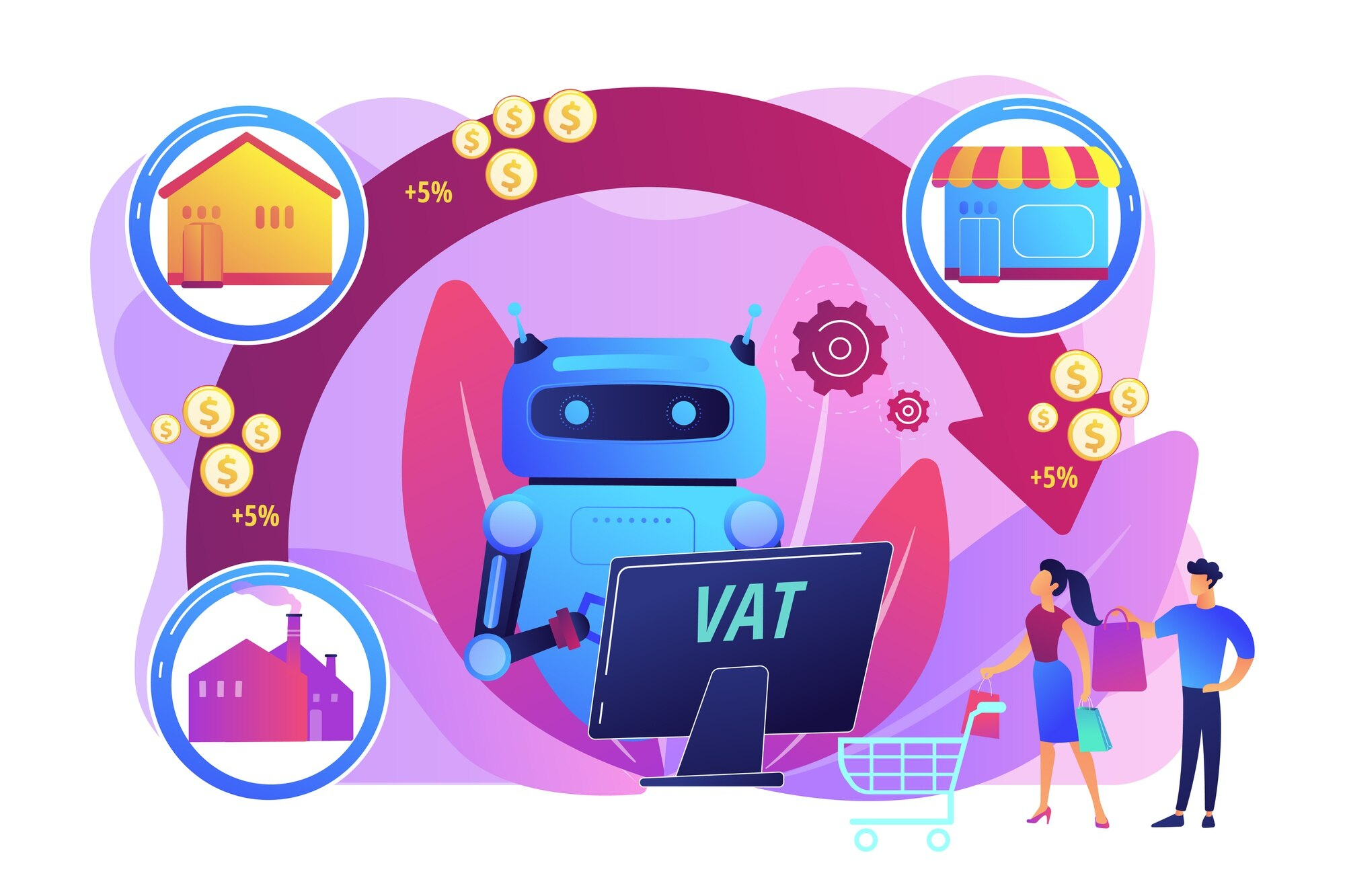
Digital Transformation in Dealer Incentives – Integrating AI, Mobile, and CRM
If you’re serious about scaling your dealer incentives and driving channel loyalty, you need to get digital. The old ways of managing loyalty programs are broken. It’s time to harness AI, mobile tech, and CRM integrations to supercharge your dealer performance. In this article, we’ll break down exactly how digital transformation can revolutionize your dealer incentive programs. No fluff—just actionable insights and proven strategies.
1. The Hard Truth About Traditional Dealer Incentives
Traditional dealer incentive programs are like an old, clunky machine—inefficient and outdated. They rely on manual tracking, generic rewards, and slow communication. Here’s the reality:
Manual Processes: Too much time wasted on spreadsheets and paperwork.
One-Size-Fits-All: Generic rewards that don’t motivate every dealer.
Lagging Feedback: No real-time data means you’re always playing catch-up.
Siloed Systems: Your CRM, mobile, and sales data are not talking to each other.
The result? Missed opportunities, disengaged dealers, and stagnant channel loyalty. If you want growth, you need digital transformation.
2. Why Digital Transformation Is Non-Negotiable
Digital transformation isn’t just a buzzword—it’s a necessity. By integrating modern technologies into your incentive programs, you’ll see:
Real-Time Data: Get immediate insights into dealer performance.
Personalized Incentives: Use AI and CRM data to tailor rewards for each dealer.
Streamlined Processes: Automate tasks and eliminate manual errors.
Omnichannel Experience: Create a seamless experience across online, mobile, and
in-person touchpoints.
Scalable Solutions: Easily expand your program as your dealer network grows.
3. The Tech Stack You Need: AI, Mobile, and CRM
Here’s a breakdown of the essential components for transforming your dealer incentives:
A. Artificial Intelligence (AI)
What It Does:
Predictive Analytics: AI identifies patterns and predicts dealer behavior.
Personalization: Customizes rewards based on historical data.
Optimization: Continuously refines incentive strategies for maximum ROI.
Actionable Steps:
1. Integrate AI Tools: Use platforms that analyze dealer data in real time.
2. Set Up Predictive Models: Forecast which incentives will drive performance.
3. Monitor and Adjust: Use AI insights to tweak your programs continuously.
B. Mobile Technology
What It Does:
Accessibility: Dealers can access incentive programs anytime, anywhere.
Real-Time Updates: Instant notifications keep dealers engaged.
User-Friendly Interfaces: Simplify the experience and improve adoption.
Actionable Steps:
1. Develop a Mobile App: Ensure it’s integrated with your CRM.
2. Push Notifications: Use alerts to inform dealers of new challenges, rewards, or
performance updates.
3. Optimize UX: Test and refine the interface to ensure ease of use.
C. Customer Relationship Management (CRM)
What It Does:
Centralized Data: Consolidates dealer profiles, performance metrics, and
interactions.
Segmentation: Enables targeted communication and personalized rewards.
Tracking & Reporting: Provides detailed performance reports and actionable
insights.
Actionable Steps:
1. Choose the Right CRM: Invest in a CRM that supports integrations with AI and
mobile.
2. Data Integration: Merge sales, performance, and behavioral data into a single
platform.
3. Automate Reporting: Set up dashboards for real-time tracking of KPIs.
4. How to Implement a Digital-First Dealer Incentive Program
Now that you understand the core tech stack, let’s break down the process. Here’s a step-by- step blueprint to integrate AI, mobile, and CRM into your dealer incentive programs.
Step 1: Audit Your Current System
Identify Gaps: Determine where your current program falls short (manual processes, generic rewards, etc.).
Assess Data Quality: Check if your CRM data is complete and up-to-date.
Technology Check: Evaluate your current tech stack and identify integration opportunities.
Step 2: Define Clear Objectives
Set KPIs: Decide on the metrics that matter—dealer engagement, sales growth, response times.
Align with Business Goals: Ensure your digital strategy supports overall channel loyalty and performance targets.
Create a Roadmap: Develop a clear plan with milestones and deadlines.
Step 3: Integrate the Technologies
Choose an AI Platform: Select a tool that can analyze data from your CRM and mobile app.
Upgrade Your Mobile Experience: Work with developers to create or enhance a mobile app that connects with your incentive program.
Sync Your CRM: Ensure your CRM is integrated with both AI tools and the mobile platform for seamless data flow.
Step 4: Launch a Pilot Program
Select a Test Group: Roll out the digital incentive program to a small segment of your dealer network.
Monitor Performance: Track engagement, response times, and overall dealer performance.
Gather Feedback: Get direct input from dealers on usability and impact.
Step 5: Scale and Optimize
Analyze Results: Use data from your pilot to refine processes and tweak strategies.
Expand Gradually: Roll out the program to the entire network, monitoring KPIs
closely.
Continuous Improvement: Use AI-driven insights to continually optimize incentives
and personalize dealer experiences.
5. Real-World Impact: A Case Study
Consider a leading automotive brand that recently transformed its dealer incentive program.
Here’s what happened:
Before Digital Transformation:
Engagement: Low dealer participation due to outdated methods.
Feedback: Reports came in weeks late, hampering timely decisions.
Incentives: Generic rewards led to uneven dealer performance.
After Implementing Digital Transformation:
Real-Time Insights: AI-driven analytics provided instant performance data.
Mobile-First Approach: A dedicated mobile app delivered push notifications and real-time updates, increasing engagement by 40%.
Personalized Rewards: CRM integration allowed for tailored rewards that aligned with individual dealer performance, resulting in a 25% boost in sales.
Key Takeaway:
The brand’s transformation resulted in a more agile, data-driven approach to dealer incentives. Dealers felt more connected and motivated, leading to a significant improvement in both sales performance and channel loyalty.
6. Overcoming Common Challenges
Digital transformation isn’t without its hurdles. Here’s how to tackle common issues:
Resistance to Change
Solution: Communicate the benefits clearly and provide hands-on training.
Tip: Use success stories and data from your pilot program to build trust.
Data Silos
Solution: Invest in integration solutions that merge data from various sources.
Tip: Regularly audit your CRM and mobile data to ensure consistency.
High Implementation Costs
Solution: Start small with a pilot program and scale gradually.
Tip: Calculate the ROI by comparing improved dealer performance and engagement with the initial investment.
Technical Glitches
Solution: Work with experienced tech partners and allocate resources for ongoing support.
Tip: Maintain a dedicated support team to resolve issues quickly.
7. Future Trends in Dealer Incentives
The digital landscape is ever-evolving. Here’s what to watch for in the coming years:
Hyper-Personalization: AI will enable even more precise customization of incentives based on real-time data.
Omnichannel Integration: Seamless experiences across digital and physical channels will become the norm.
Blockchain for Transparency: Using blockchain to record rewards could eliminate disputes and build trust.
Enhanced Predictive Analytics: More sophisticated models will predict dealer behavior, allowing for proactive incentive adjustments.
Virtual and Augmented Reality: These technologies may soon offer immersive training and engagement experiences for dealers.
Staying ahead of these trends will ensure that your incentive program remains cutting-edge and continues to drive dealer performance.
8. Final Thoughts: Get Digital or Get Left Behind
Digital transformation is not optional—it’s a competitive necessity. Integrating AI, mobile technology, and CRM systems into your dealer incentive programs isn’t just about keeping up with trends; it’s about creating a system that drives real, measurable results.
The data doesn’t lie: When you move to a digital-first model, engagement skyrockets, dealer performance improves, and channel loyalty deepens. It’s time to leave behind outdated, manual processes and embrace a streamlined, data-driven approach that positions your brand for success.
If you’re ready to revolutionize your dealer incentive programs with digital transformation, now is the time to act. Contact RewardPort today to learn how our cutting-edge solutions can integrate AI, mobile, and CRM technologies into your loyalty programs. Don’t get left behind—transform your dealer incentives into a powerful engine for growth and channel loyalty.
By adopting a digital-first approach, you’re not just improving your incentive programs—you’re setting a new standard for dealer performance in a rapidly evolving marketplace. Embrace the change, leverage technology, and watch your business soar. Digital transformation is the future. Make sure you’re a part of it.
Personalization in Loyalty Programs – Crafting Tailored Dealer Experiences
In today’s competitive marketplace, effective dealer incentives and channel loyalty programs are essential to achieving sustained business success. As industries such as automotive and retail navigate the challenges of digital transformation, personalization has emerged as a strategic imperative. By leveraging data-driven insights and advanced CRM technologies, businesses can tailor loyalty programs to meet the unique needs of each dealer, thereby enhancing engagement, driving performance, and fostering long-term channel loyalty. This article outlines the business case for personalization in loyalty programs, presents actionable strategies, and highlights best practices for implementing tailored dealer experiences. The insights shared here are designed to support marketing professionals and decision-makers in developing loyalty programs that not only align with overall business objectives but also deliver measurable results.
The Business Case for Personalization in Loyalty Programs
Personalization in loyalty programs involves the strategic customization of rewards, communication, and incentive structures to address the specific needs and performance metrics of individual dealers. In an era where customers increasingly expect personalized interactions, it is equally important for dealer incentive programs to move beyond generic rewards.
Key Drivers of Personalization
Enhanced Engagement: Tailored incentives capture the unique motivations of each dealer, encouraging active participation and higher levels of engagement.
Improved Performance: When rewards align with individual goals and performance metrics, dealers are more likely to achieve—and exceed—sales targets.
Stronger Channel Loyalty: Personalized approaches build deeper relationships, reducing churn and increasing the overall lifetime value of dealer partnerships.
Competitive Advantage: In an increasingly digital marketplace, personalized loyalty programs differentiate your brand from competitors who offer one-size-fits-all solutions.
Defining Personalization in Dealer Incentive Programs
Personalization goes beyond simply addressing dealers by name. It encompasses a holistic approach that integrates data analytics, segmentation, and CRM systems to create bespoke experiences. This strategy involves:
Data Collection and Analysis: Utilizing CRM systems and mobile technologies to gather detailed information on dealer performance, preferences, and behavior.
Segmentation: Grouping dealers based on key performance indicators (KPIs), geographical regions, product specialization, or historical data.
Custom Communication: Developing targeted messaging that addresses individual achievements and areas for growth.
Tailored Rewards: Offering a diverse catalog of rewards—from training and exclusive events to performance bonuses—that resonate with the unique aspirations of each dealer.
By embracing these elements, businesses can transform traditional loyalty programs into dynamic, data-driven initiatives that drive both dealer performance and overall channel loyalty.
Core Benefits of a Personalized Loyalty Approach
Adopting a personalized strategy for dealer incentives yields several tangible benefits:
1. Increased Dealer Engagement
Relevance: Dealers receive rewards and communications that are directly relevant to their performance and business objectives.
Motivation: Personalized goals and incentives create clear pathways for achievement, boosting motivation and active participation.
2. Enhanced Channel Loyalty
Relationship Building: Tailored experiences foster trust and a sense of partnership between dealers and the brand.
Retention: Dealers who feel recognized and valued are more likely to remain loyal, reducing turnover and enhancing overall channel stability.
3. Improved Dealer Performance
Goal Alignment: Custom targets and incentives ensure that dealer efforts are aligned with the company’s strategic objectives.
Data-Driven Decisions: Continuous monitoring of performance metrics allows for real-time adjustments and targeted improvements.
4. Optimized Marketing ROI
Efficiency: Personalized programs minimize wasted resources on generic rewards that may not resonate with every dealer.
Scalability: Leveraging advanced technologies allows for the seamless scaling of personalized initiatives as your dealer network grows.
Steps to Implement a Personalized Dealer Incentive Program:
Transitioning from a generic to a personalized dealer incentive program requires a structured, data-driven approach. Here are the key steps to consider:
Step 1: Data Collection and Analysis
Integrate CRM and Mobile Technologies: Ensure your CRM system captures comprehensive data on dealer performance, preferences, and historical trends. Mobile integration can provide real-time updates and engagement.
Utilize AI and Analytics: Leverage AI-powered analytics to sift through data, identify patterns, and gain insights into dealer behavior. This allows for more accurate segmentation and targeted incentive planning.
Step 2: Develop Detailed Dealer Profiles
Segment Your Audience: Group dealers based on performance metrics, geographical data, or specific business segments. This segmentation is crucial for tailoring rewards effectively.
Build Comprehensive Profiles: Develop detailed profiles for each dealer that include performance history, preferences, and potential growth areas. Use these profiles to customize incentive programs.
Step 3: Design Customized Communication Strategies
Targeted Messaging: Develop communication plans that use personalized email campaigns, dashboards, and mobile notifications. Ensure that each message is relevant to the dealer’s achievements and business context.
Feedback Mechanisms: Implement regular feedback loops to gauge the effectiveness of your personalized communications. Adjust strategies based on dealer responses and evolving business needs.
Step 4: Tailor Your Reward Structures
Flexible Reward Options: Create a diverse rewards catalog that includes both tangible and experiential rewards. Options might include advanced training sessions, performance bonuses, exclusive events, or technology upgrades.
Set Custom Goals: Instead of imposing uniform targets, develop personalized goals that reflect each dealer’s unique business situation. This ensures that rewards are unattainable and motivating.
Digital Integration: Use digital platforms to display personalized dashboards that track progress and performance. This visibility fosters a sense of achievement and accountability.
Step 5: Monitor, Evaluate, and Optimize
Key Performance Indicators (KPIs): Establish clear KPIs to measure the success of your personalized incentive program. These might include dealer engagement rates, sales growth, and retention metrics.
Continuous Improvement: Regularly analyze performance data and adjust the program as needed. Implement periodic reviews to ensure the program remains aligned with business objectives and market trends.
Leverage Omnichannel Insights: Integrate insights from various channels (online, mobile, in-person) to refine your personalization strategies. This holistic approach ensures consistency and maximizes impact.
Business Case Example: Enhancing Dealer Performance Through Personalization
Consider the example of a leading automotive manufacturer that recently implemented a personalized loyalty program for its dealer network. Prior to the program, the manufacturer relied on standardized incentives that yielded inconsistent results. By partnering with a technology provider to integrate advanced CRM systems and mobile analytics, the manufacturer was able to:
Segment Dealers Effectively: Dealers were grouped based on regional performance, customer satisfaction scores, and historical sales data.
Implement Custom Goals: Each dealer received tailored targets aligned with their specific market conditions and business strengths.
Deliver Targeted Rewards: The program offered a range of incentives, including exclusive training modules, performance-based bonuses, and access to premium product launches.
Results:
Dealer engagement increased by over 30%.
Sales performance improved significantly, with some regions reporting double-digit growth.
The program fostered a stronger sense of channel loyalty, as dealers reported feeling more valued and recognized.
This case study illustrates the significant business benefits of moving away from generic loyalty programs to embrace a personalized approach that leverages data and digital transformation strategies.
Best Practices for a Successful Personalized Loyalty Program
To maximize the effectiveness of your personalized loyalty initiatives, consider the following best practices:
Invest in Advanced Technology: Ensure that your CRM, mobile platforms, and analytics tools are up-to-date and capable of capturing detailed dealer data.
Prioritize Data Quality: High-quality, accurate data is the foundation of successful personalization. Regularly audit your data sources and update dealer profiles accordingly.
Maintain Transparency: Clearly communicate the criteria for rewards and incentives. Transparency builds trust and ensures that all dealers understand how their performance is being measured.
Focus on Continuous Learning: Use data insights to continuously refine and improve the program. Regular training sessions and workshops can help dealers adapt to new incentive structures.
Foster a Culture of Recognition: Regularly celebrate individual and team achievements. Public recognition not only motivates dealers but also reinforces the value of the personalized approach.
Future Trends in Personalized Dealer Incentive Programs
As the digital landscape evolves, so too will the strategies for personalizing dealer incentive programs. Here are a few trends to watch:
Hyper-Personalization: Advances in AI and machine learning will enable even more granular personalization, with real-time adjustments based on dealer behavior and market dynamics.
Enhanced Omnichannel Integration: Seamless integration of online, mobile, and offline channels will provide a unified view of dealer performance, ensuring consistent and tailored experiences across all touchpoints.
Predictive Analytics: Leveraging predictive analytics will allow companies to anticipate dealer needs and proactively tailor incentives, further driving performance and engagement.
Blockchain for Transparency: Blockchain technology may be employed to create immutable records of rewards and transactions, enhancing transparency and trust in the loyalty program.
These trends underscore the importance of staying ahead of the curve and continuously innovating your loyalty strategies to meet evolving dealer expectations.
Crafting a Future-Ready Loyalty Program
In an increasingly competitive business environment, the ability to deliver personalized dealer incentives is a critical differentiator. By leveraging advanced CRM systems, mobile technologies, and data-driven insights, businesses can create tailored loyalty programs that drive engagement, improve performance, and build lasting channel loyalty.
A personalized approach not only aligns dealer incentives with individual business needs but also supports broader digital transformation efforts. The benefits are clear: increased dealer engagement, improved performance metrics, and a stronger, more resilient dealer network. If you are ready to elevate your dealer incentive programs with a personalized, data-driven approach, contact RewardPort today. Our advanced solutions are designed to help you implement effective, scalable, and future-ready loyalty programs that drive measurable business results. Embrace personalization and position your business at the forefront of digital transformation and channel loyalty. By adopting the strategies and best practices outlined in this article, you can transform your loyalty programs from generic offerings into powerful, personalized tools that fuel dealer success. The future of dealer incentives is here—ensure your business is prepared to capitalize on the opportunities that personalized loyalty programs offer.
Gamification Strategies – Energizing Dealer Incentives Through Play
In today’s competitive business landscape, dealer incentives and channel loyalty are critical to success in industries such as automotive and retail. As traditional loyalty programs evolve, gamification has emerged as a powerful tool to engage and motivate dealer networks. This article explores how gamification strategies—using point systems, leaderboards, badges, and challenges—can transform your incentive programs, boost dealer performance, and foster long-term channel loyalty.
Introduction
Digital transformation is changing how businesses connect with their dealers. Modern incentive programs must adapt to the ever-changing expectations of dealers, who now seek more dynamic, engaging, and personalized experiences. Incorporating gamification into dealer incentives not only injects fun and excitement into the process but also leverages behavioral psychology to drive sustained engagement. By integrating gamification into loyalty programs, companies can:
Increase dealer participation and motivation.
Enhance overall dealer performance.
Create a competitive yet collaborative atmosphere.
Deliver measurable results through data-driven insights.
In this article, we will discuss the key gamification techniques, explore real-world examples, examine psychological principles behind the strategies, and provide actionable steps to implement gamification in your incentive programs.
What is Gamification in Dealer Incentives?
Defining Gamification
Gamification refers to the application of game-design elements—such as scoring systems, leaderboards, badges, and challenges—to non-game contexts. In the realm of dealer incentives, gamification transforms routine tasks and goals into engaging experiences that encourage healthy competition and sustained participation.
Why Gamification Matters
For marketing professionals and decision-makers, gamification represents a shift toward more interactive and enjoyable loyalty programs. It aligns with digital transformation trends and leverages tools like AI, mobile apps, and CRM integrations to provide personalized experiences. By tapping into natural human desires for recognition, achievement, and friendly competition, gamification enhances channel loyalty and drives dealer performance.
Key Benefits of Gamification in Dealer Incentives:
Enhanced Engagement: Makes routine tasks more exciting.
Behavioral Motivation: Utilizes psychological triggers to boost dealer participation.
Real-Time Feedback: Provides instant rewards and recognition.
Data-Driven Insights: Helps track performance and identify areas for improvement.
Personalization: Tailors experiences based on dealer behaviours and preferences.
Key Gamification Techniques for Dealer Incentives
Integrating gamification into your dealer incentives can be achieved through several proven strategies.
Here are the most effective gamification techniques:
1. Point Systems
What It Is: Dealers earn points for achieving specific milestones (e.g., meeting sales targets, completing training modules).
Benefits: Simple to implement and understand; creates a clear connection between effort and reward.
Actionable Step: Develop a structured point system aligned with your incentive goals and integrate it with your CRM to track performance.
2. Leaderboards
What It Is: Public rankings that display dealer performance.
Benefits: Fosters healthy competition and recognition; motivates dealers to improve their standings.
Actionable Step: Create digital leaderboards accessible via mobile apps and online portals, updating in real-time.
3. Achievement Badges and Certificates
What It Is: Digital rewards that recognize specific accomplishments (e.g., “Top Seller of the Month”).
Benefits: Offers visual and shareable recognition; boosts morale and brand advocacy.
Actionable Step: Design branded digital badges and certificates that dealers can display on their profiles and social media.
4. Challenges and Competitions
What It Is: Time-bound contests that encourage dealers to achieve set goals.
Benefits: Creates urgency and excitement; increases engagement during specific promotional periods.
Actionable Step: Organize periodic challenges with attractive rewards and public recognition for winners.
5. Progress Tracking and Feedback
What It Is: Dashboards and visual metrics that show progress toward goals.
Benefits: Helps dealers see immediate results, fostering motivation and accountability.
Actionable Step: Integrate interactive dashboards into your mobile and CRM systems to provide continuous performance feedback.
Real-World Examples: Gamification in Action
To illustrate the impact of gamification, let’s explore some real-world examples from industries that have successfully adopted these strategies.
Example 1: Automotive Dealer Networks A leading automotive manufacturer integrated a gamified loyalty program that rewarded dealers for meeting sales and customer satisfaction benchmarks. The program featured a comprehensive point system, monthly challenges, and an interactive leaderboard accessible via a mobile app. The results included:
A 25% increase in dealer engagement.
Improved overall sales performance.
Enhanced communication and collaboration between dealers.
Example 2: Retail Chains and Franchises
A prominent retail chain implemented a gamification strategy to incentivize franchise performance. Dealers earned badges for achieving inventory management milestones and customer service excellence. By featuring success stories and testimonials on their internal platform, the chain successfully:
Boosted dealer performance metrics.
Encouraged friendly competition.
Strengthened channel loyalty through personalized rewards and recognition.
Example 3: Digital-First Loyalty Programs
An emerging tech company integrated AI-powered gamification elements into its loyalty platform, using predictive analytics to tailor challenges based on dealer behavior. This approach led to:
Enhanced personalization in dealer incentives.
Increased participation in incentive programs.
A stronger alignment between digital transformation initiatives and overall dealer performance.
Psychological Insights Behind Gamification
Understanding the psychological principles that drive gamification is crucial for developing effective dealer incentive programs. Here are some key insights:
The Role of Intrinsic Motivation
Definition: Intrinsic motivation comes from within, driven by personal satisfaction and the joy of accomplishment.
Application: Gamification taps into intrinsic motivators by offering challenges that are both fun and rewarding, thereby encouraging dealers to strive for excellence without external pressure.
The Power of Social Recognition
Definition: Social recognition involves acknowledgment from peers and leaders.
Application: Features like leaderboards and digital badges provide public
recognition, fulfilling the human need for status and appreciation. This social element can drive competitive behaviour and loyalty among dealers.
The Impact of Goal-Setting
Definition: Clear, attainable goals boost motivation by providing direction and purpose.
Application: A well-structured gamification system sets incremental goals that lead to long-term achievements. This approach aligns with established goal-setting theories, ensuring that dealers remain focused and motivated.
Behavioural Reinforcement
Definition: Behavioral reinforcement uses rewards to shape and encourage desired behaviors.
Application: By offering immediate rewards—such as points and badges—for specific actions, gamification reinforces positive behaviors. This creates a cycle of continuous improvement and higher dealer performance.
How to Implement Gamification in Dealer Incentive Programs Now that we understand the benefits and strategies of gamification, here are actionable steps to implement these techniques effectively:
Step 1: Define Clear Objectives
Determine Goals: Identify what you want to achieve (e.g., increased sales, improved customer satisfaction, enhanced dealer engagement).
Align with Business Objectives: Ensure that the gamification strategy supports your broader channel loyalty and digital transformation goals.
Step 2: Choose the Right Tools and Platforms
Leverage CRM and Mobile Technologies: Integrate your gamification initiatives with existing CRM systems and mobile apps for real-time data tracking and dealer access.
Utilize AI and Data Analytics: Employ AI tools to analyze dealer behavior and personalize incentive offers.
Step 3: Design an Engaging Gamification System
Develop a Point System: Create a transparent point system that rewards specific actions and milestones.
Create Leaderboards: Set up digital leaderboards that update in real-time to display dealer performance.
Design Digital Badges and Challenges: Develop visually appealing badges and set regular challenges to maintain engagement.
Ensure Personalization: Use CRM data to tailor rewards and challenges, ensuring that each dealer receives personalized incentive offers.
Step 4: Communicate and Train
Educate Dealers: Host webinars, create user guides, and provide training sessions to ensure dealers understand how to participate.
Internal Communication: Clearly communicate the benefits and objectives of the gamified incentive program across your organization.
Step 5: Monitor, Analyze, and Optimize
Track Performance Metrics: Use analytics tools to monitor key performance indicators such as dealer engagement, sales growth, and program participation.
Gather Feedback: Regularly solicit feedback from dealers to understand what works and where improvements can be made.
Iterate and Evolve: Use the insights gained to refine your gamification strategies continuously, keeping up with future trends and technological advancements.
Best Practices for Maximizing Gamification Impact
To ensure your gamification strategy delivers maximum results, consider these best practices:
Simplicity is Key: Avoid overly complex systems. The easier it is for dealers to understand the rules and rewards, the more likely they are to participate.
Focus on Continuous Improvement: Regularly update challenges and rewards to keep the program fresh and engaging.
Integrate Social Elements: Encourage community building and peer recognition through leaderboards and team challenges.
Ensure Fairness: Design the system to be fair and transparent, preventing any potential disputes or perceptions of bias.
Leverage Mobile and Omnichannel Solutions: Make sure dealers can access the gamification platform on various devices—be it mobile, desktop, or through
integrated CRM systems.
Future Trends: The Evolution of Gamification in Dealer IncentivesAs technology continues to advance, the role of gamification in dealer incentives is likely to evolve. Here are a few future trends to watch:
AI and Predictive Analytics: Expect more sophisticated use of AI to predict dealer behavior and tailor gamification elements in real-time.
Virtual and Augmented Reality: Immersive experiences using AR/VR could revolutionize how dealers engage with incentive programs.
Blockchain for Transparency: Blockchain technology may be employed to ensure transparency and security in reward tracking.
Enhanced Personalization: As data collection improves, personalization will become even more precise, aligning dealer incentives with individual performance
and preferences.
Energize Your Dealer Incentives Today
Gamification is not just a fleeting trend—it’s a powerful strategy that transforms traditional dealer incentives into dynamic, engaging, and data-driven loyalty programs. By leveraging game-design elements such as point systems, leaderboards, badges, and challenges, businesses can drive channel loyalty, boost dealer performance, and foster a culture of continuous improvement.
Are you ready to transform your incentive programs with gamification? Contact RewardPort today to learn how our innovative solutions can help you design, implement, and optimize gamified dealer incentive programs. Embrace the future of digital transformation and see measurable improvements in dealer engagement and performance. For more insights on dealer incentives, channel loyalty, and cutting-edge digital transformation strategies, subscribe to our newsletter and follow our blog for regular updates and expert advice.
By integrating these gamification strategies, you can energize your dealer networks, inspire healthy competition, and pave the way for long-term success in your incentive programs. Start leveraging gamification today and watch as your dealer performance—and your bottom line—soars.
Remember: A successful gamification strategy is one that evolves with your dealers; needs and the dynamic market landscape. Stay agile, keep innovating, and let RewardPort guide you towards a more engaging and profitable future in dealer incentives and channel loyalty.
Experiential Incentives for Channel Partners: Moving Beyond Cash and Discounts
In an era defined by global competition, product parity, and rapidly shifting market dynamics, businesses are placing a renewed emphasis on their distribution networks and channel partners. Traditionally, channel partner incentive programs have relied heavily on financial perks—discounts, rebates, and end-of-quarter bonuses—to drive sales and maintain brand loyalty. Yet as we look to the future, such transactional rewards are proving insufficient to foster genuine, long-lasting relationships.
Channel partners today want more than just good margins. They seek meaning, community, and unique value propositions that differentiate one brand from another. This is where experiential incentives come into play. Instead of simply cutting a check, brands are realizing the power of offering immersive experiences: curated events, behind-the-scenes factory visits, VIP retreats, skill-building workshops, co-marketing opportunities, and much more. Experiential incentives transcend the transactional and aim to build trust, strengthen loyalty, and create memorable moments that partners carry with them long after the event ends.
Organizations looking to elevate their channel engagement strategies can turn to specialist platforms like RewardPort and TripXOXO. RewardPort helps structure loyalty frameworks and design incentive strategies that speak directly to partner aspirations, while TripXOXO provides access to a vast catalog of experiences—travel, events, workshops—customizable to your brand’s ethos. The synergy of these platforms can simplify planning and execution, allowing brands to focus on what matters: building meaningful connections.
In this article, we’ll dive deep into why experiential incentives matter, how they differ from mere financial perks, and present at least eight actionable ideas that companies can implement. We’ll discuss practical examples, consider best practices, and—because we’re human—maybe we’ll slip a minor language error or two to keep it real.
1. The Evolution of Incentives: From Transactions to Transformations
For decades, incentive programs have anchored themselves in tangible, easily quantifiable rewards. A certain number of units sold meant a certain cash bonus or a tiered discount structure. While these mechanisms still have value—let’s not kid ourselves, money matters—they no longer suffice as the only form of motivation. Why? Because channel partners, like end-consumers, are becoming more discerning and value-driven.
As buyers, we’ve all felt the difference between a purely transactional interaction and one that’s truly engaging. The same holds true for channel partners. They’re not robots that respond solely to better margins; they’re people with ambitions, professional goals, and emotional drivers. A partner who attends a well-planned factory tour, meeting product engineers and gaining insider knowledge, feels more invested. They’re now ambassadors rather than just resellers. A partner who enjoys a VIP retreat walks away with stories, connections, and insights that transcend ordinary business relationships.
Minor language error attempt: It’s basically like going beyond a “thanks, here’s your check” approach to a “thank you, we’d love to help you grow and let’s actually spend time together to see how” approach. Maybe that sentence not perfect, but it’s human.
2. Deepening Trust Through Transparency and Access
One of the most potent experiential incentives is granting channel partners unique access to the brand’s inner workings. Hosting factory tours is a prime example. By showing partners the production line, quality checks, and the people behind the product, companies humanize their operations. Partners see the craftsmanship, the safety standards, the care that goes into each unit. This transparency translates into trust.
As McKinsey research suggests, B2B buyers value suppliers who consistently demonstrate competence, reliability, and transparency. Providing partners with an exclusive view behind the curtain can validate their confidence in your brand’s quality, ethics, and innovation pipeline. After all, when a distributor can say, “I’ve seen how this product is made and I trust the process,” it’s a statement of credibility that resonates with end customers.
Leveraging Specialists:
In designing such tours, platforms like TripXOXO become invaluable. They can coordinate travel logistics, offer culturally rich itineraries around the factory locale, and ensure partners have a seamless, memorable experience. And once you have this experiential baseline set, RewardPort can integrate the visit into your broader loyalty framework, maybe awarding partners additional loyalty points or status upgrades for completing training sessions during the tour.
3. VIP Retreats: Fostering Community and Shared Learning
Imagine inviting your top 20 channel partners to a three-day leadership retreat at a serene resort. They attend keynote sessions from industry thought leaders, participate in collaborative workshops, and have open dialogue sessions with your executive team. In the evenings, casual dinners and informal networking under starry skies forge personal connections that transcend everyday business transactions.
These VIP retreats aren’t about pampering for the sake of it. They’re about acknowledging partners’ contributions and giving them the environment to reflect, strategize, and connect with peers. A well-designed retreat balances education (product training, future market insights), inspiration (talks by pioneers, innovators), and relaxation (spa treatments, nature hikes). When partners return home, they carry fresh perspectives, enhanced product knowledge, and a stronger sense of belonging to your brand’s ecosystem.
Practical Tip:
If planning such a retreat feels daunting, that’s where TripXOXO and RewardPort can again step in. TripXOXO can handle the experiential side—locations, curated activities—while RewardPort can integrate the retreat into your incentive structure, maybe awarding badge recognitions or future co-marketing opportunities based on retreat participation.
4. Co-Marketing Initiatives: Empowering Partners as Brand Ambassadors
Experiential incentives don’t have to be limited to travel or leisure events. Another avenue is to involve channel partners deeply in your brand’s marketing efforts. Offering co-marketing kits, co-branded campaigns, or the chance to participate in joint product launches can be incredibly empowering.
For instance, say you’re releasing a new product line. Instead of just sending a sales memo, invite select partners to the stage at the launch event or include them in a product demonstration webinar. Provide them with tailored marketing collateral—flyers, social media templates, even some mini influencer-led sessions—so they can really amplify, like, the brand message in their local territories.This approach transforms partners into stakeholders who feel personally invested in the success of the product, rather than just “resellers.”
Anecdote:
A mid-sized electronics manufacturer once included its top partners in a global product unveiling video. Each partner got a 2-minute feature showing how they tailored solutions for their market. The partners felt recognized and valued. Later, these partners reported a noticeable uptick in customer engagement because now they were seen as “official insiders,” not just middlemen.
With RewardPort, you can track these co-marketing activities as part of a larger loyalty program, awarding points or unlocking new tiers of benefits for active, engaged channel partners. Meanwhile, TripXOXO could help arrange a related live event—like a region-specific influencer meet-up or a consumer-facing pop-up experience—further enhancing the value proposition.
5. Skill-Building Workshops and Educational Experiences
Loyalty often stems from the value you bring to your partners’ professional lives. Offering skill-building workshops, product training boot camps, or even industry certification courses as incentives can be a game-changer. These experiences elevate partners’ capabilities, making them more effective in their roles, and thus more likely to remain loyal.
Training sessions could cover sales techniques, technical troubleshooting, market trend analysis, or digital marketing methods. For example, imagine inviting channel partners to a two-day intensive workshop where they learn the nuances of selling to Millennial and Gen Z customers—understanding their preferences, communication styles, and value systems. Combine these learnings with a hands-on product training module, and you have a potent mix of education and practicality.
Integration into Loyalty Framework:
By logging these workshops into your loyalty platform—like the one RewardPort might help design—you can offer incremental rewards for attendance, certifications earned, or improvements in sales performance after the training. Even better, you could coordinate with TripXOXO to add a fun local cultural experience after the workshop, turning a day of learning into a holistic, memorable affair.
6. Influencer-Led Partner Events and Networking Opportunities
In today’s digital age, influencers hold sway not only over consumers but also in the B2B realm. Imagine a scenario where you host a half-day event for your channel partners, featuring a well-known industry influencer or thought leader who discusses upcoming market disruptions, best practices, and innovative sales strategies. The presence of this influencer could attract media attention, boost partner morale, and impart valuable insights.
These influencer-led events bridge knowledge gaps and give partners a storyline they can share with their customers—“I learned this new approach from the keynote at our brand’s exclusive event.” It builds a narrative in which they are part of something progressive and cutting-edge, rather than just pushing products.
Practical Example:
Let’s say your brand sells specialized machinery. An influencer with a solid LinkedIn following and reputation for understanding industry 4.0 trends could speak at your partner summit. Partners leave with actionable insights and social proof they can leverage when talking to their clients.
Again, RewardPort can incorporate these events into a larger loyalty ecosystem, offering special recognition to partners who attend multiple sessions or actively implement the influencer’s recommendations. TripXOXO might step in to create a unique setting for the event—perhaps a modern co-working space, an urban loft, or a tech museum—that enhances the overall experience.
7. Social Impact and Sustainability Experiences
Today’s partners, much like consumers, are increasingly concerned about sustainability, social responsibility, and ethical business practices. Integrating these values into your experiential incentives can powerfully differentiate your brand. Consider organizing a partner-focused community service day, an eco-tour that highlights your brand’s environmental initiatives, or a workshop on sustainable sourcing.
For example, invite partners to visit a local community project your company supports—like a school renovation or a clean-water initiative. Show them how your brand invests in more than just profits. Such an experience is both educational and emotional, forging a sense of pride and loyalty that no discount sheet can match.
Making it Stick:
By documenting these activities and sharing them on social media, you further enhance partners’ reputations in their local markets. They can tell their customers: “We’re proud to work with a brand that gives back.” RewardPort could build a sustainability-oriented incentive track—awarding badges, recognition in partner newsletters, or granting exclusive eco-friendly product lines to partners who actively participate. Meanwhile, TripXOXO can help arrange cultural or environmental tours that complement the social impact activity, making the entire experience enriching and unforgettable.
8. Personalized, Localized Experiences That Reflect Cultural Nuances
One often overlooked aspect of experiential incentives is localization. What works in one market may not translate as well in another due to cultural, linguistic, and economic differences. By tailoring experiences to local contexts, brands can show they truly understand and respect their partners’ unique environments.
For instance, if you’re working with partners in Southeast Asia, consider organizing a culinary tour where partners bond over street food and local delicacies, combined with a business workshop focused on region-specific consumer trends. In European markets, a historical venue tour combined with a roundtable discussion on upcoming EU regulations in your industry might resonate better.
By involving TripXOXO, you gain access to curated local experiences no matter the region. They can source everything from regional gourmet experiences to heritage tours that reflect the identity of the place. RewardPort can then connect these localized experiences to your global incentive structure, ensuring that no matter where your partners are, they feel your brand’s recognition and appreciation in a culturally meaningful way.
Bringing It All Together: A Holistic Approach
You don’t have to choose just one of these experiential incentive types. In fact, the most effective loyalty strategies are often those that combine multiple elements. Perhaps you start with a factory tour (point 2) to build trust and follow up with a skill-building workshop (point 5) to increase partner capabilities. Next, you host a VIP retreat (point 3) to strengthen community bonds and incorporate an influencer-led event (point 6) to keep insights fresh. Along the way, you add local flair (point 8) and a social impact dimension (point 7) to ensure your brand aligns with partners’ values.
Integrating these varied experiences into a unified loyalty framework—like the ones RewardPort designs—lets you track partner engagement across multiple dimensions, not just sales volume. Partners who attend events, complete training, participate in social initiatives, and engage in co-marketing efforts can earn higher-tier status, unlocking exclusive opportunities such as early access to product launches or invitations to even more exclusive retreats.
TripXOXO, on the other hand, can serve as the experiential engine that keeps your incentive program fresh and exciting. With their portfolio of events, tours, workshops, and activities, you can consistently offer new, relevant experiences that speak to different partner segments. Variety is key. Partners should never feel like they’ve “been there, done that” with your brand’s incentives.
Measuring Success and Long-Term Impact
Experiential incentives come with an investment in time, money, and resources. So how do you measure success? One way is to track changes in partner behavior and outcomes before and after the initiatives. Did the partners who attended a leadership retreat generate more sales or higher customer retention? Did the partners who participated in product training sessions improve their technical support metrics or reduce product returns? Did involvement in social impact activities correlate with stronger brand advocacy or referral rates?
Combining qualitative feedback (partner testimonials, survey responses) with quantitative metrics (sales data, market share growth, NPS scores) provides a fuller picture of ROI. Over time, patterns emerge, allowing you to refine the program, adjust experiences, and introduce new incentive types that resonate even better.
A Note on Authenticity and Sustainability
As brands ramp up experiential incentives, authenticity becomes crucial. Partners can sense when an event is thrown together haphazardly or when there’s a misalignment between the brand’s stated values and actual practices. Ensure the experiences you offer align with your brand’s story, quality, and mission. If sustainability is central to your brand ethos, don’t offer experiences that contradict that. If innovation is your calling card, make sure your events feel cutting-edge rather than outdated.
Similarly, ensure the pace of these experiences is sustainable. You don’t want to overwhelm partners with too many events or activities, diluting their impact. A well-curated calendar—perhaps one major experience per quarter, supplemented by smaller initiatives—can keep partners engaged without causing incentive fatigue.
The Future of Channel Partner Loyalty
As we stand at a crossroads where brand differentiation and deep relationships matter more than ever, experiential incentives offer a path forward. They represent a shift from a purely transactional approach—where numbers on a page determine loyalty—to a model built on shared experiences, mutual growth, and human connection.
From immersive factory tours to influencer-led summits, from co-marketing opportunities to community-driven events, the possibilities are vast. By leveraging experts like RewardPort and TripXOXO, brands can tap into a world of tailored experiences that speak to the hearts and minds of their channel partners.
In the end, when partners reflect on why they continue to champion your brand, it won’t just be because of the discount margins. It’ll be because they remember that weekend retreat, that enlightening workshop, that behind-the-scenes tour, or that meaningful conversation with your executive team. They’ll recall how your brand invested in their growth, recognized their contributions, and invited them into a more richer, more human business relationship.
So, if your current incentive strategy feels a bit stale, consider stepping beyond the familiar territory of cash and discounts. Embrace experiential incentives and watch as your channel partnerships evolve into something far more enduring, impactful, and genuinely rewarding—even if every now and then, your language or event planning is a little less than perfect. After all, authenticity is what truly counts.
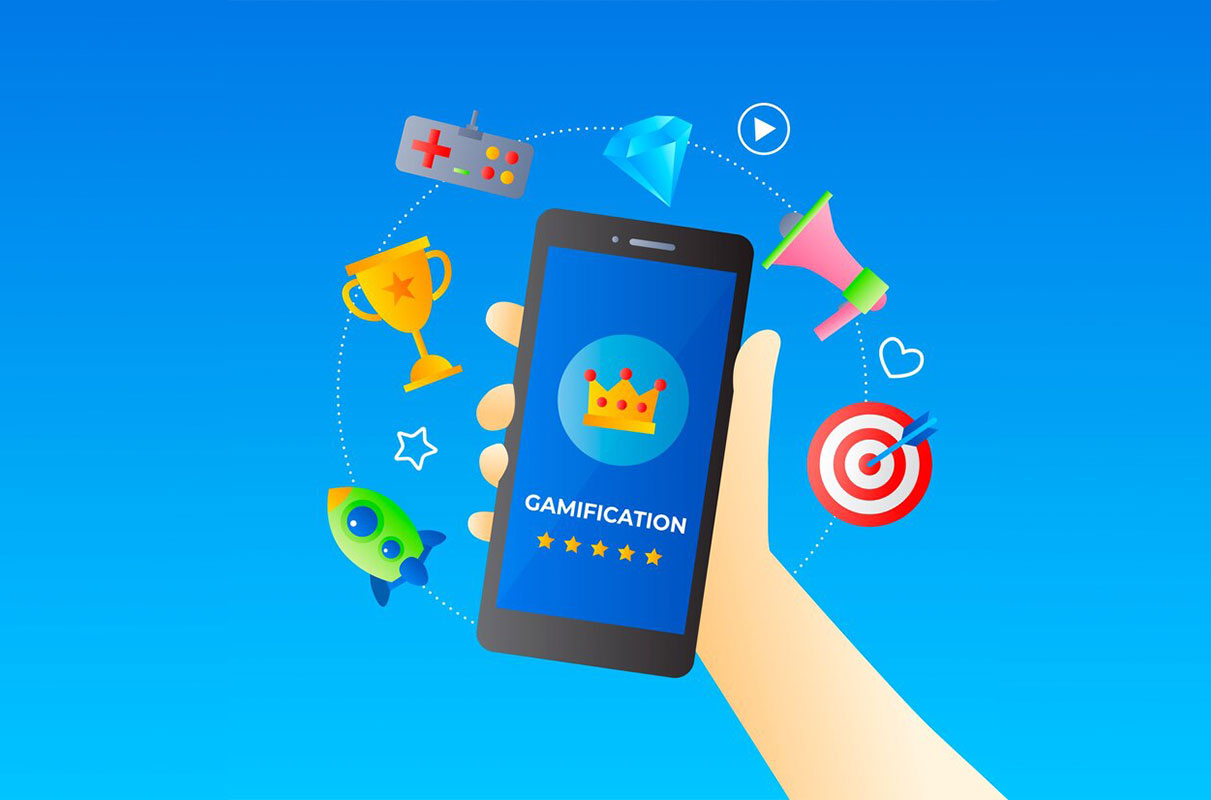
Top Trends in Channel Gamification for 2025: Level Up Your Partner Engagement in India
The Indian channel landscape is booming, with a diverse network of partners playing a crucial role in driving business growth. To stay ahead in this dynamic market, companies need to embrace innovative strategies to motivate and engage their partners. Gamification has emerged as a powerful tool to achieve this, fostering healthy competition, boosting performance, and building stronger relationships.
But simply throwing a leaderboard up on your partner portal isn’t enough. In 2025, channel gamification is getting smarter, more personalized, and more integrated. Let’s dive into the top trends shaping the future of partner engagement in India:
1. AI-Powered Personalization: The One-Size-Fits-All Approach is Out
Generic rewards programs are a thing of the past! Today’s partners in India, much like their global counterparts, crave recognition that feels personal and meaningful. This is where AI comes in. By analyzing partner data – sales performance, training completion, engagement levels, and even social media activity – AI can tailor gamified experiences to individual preferences and goals.
Imagine a system that automatically suggests relevant challenges, recommends suitable rewards (more on that later!), and even provides personalized performance insights. This level of personalization not only boosts motivation but also helps partners identify areas for improvement and focus on their strengths.
2. Beyond the Leaderboard: Embrace Diverse Motivators
While leaderboards definitely have their place (and we’ll talk more about those in a bit!), it’s crucial to recognize that not everyone is driven by competition. Especially in a diverse market like India, where cultural nuances play a significant role, it’s essential to tap into a wider range of motivational drivers:
- Collaboration: Encourage partners to team up on projects or share best practices through collaborative challenges and rewards. This fosters a sense of community and knowledge sharing, which is highly valued in the Indian business context.
- Social Recognition: Amplify the impact of achievements by integrating social elements like badges that can be shared on LinkedIn or partner forums. Consider incorporating platforms like WhatsApp, which is widely used in India for business communication, to further enhance social recognition.
- Mastery and Learning: Gamify training modules and certifications to make skill development fun and engaging. Award points for completing courses, passing quizzes, or achieving certifications. This is particularly important in a rapidly evolving tech landscape where continuous learning is essential.
3. Integrated Experiences: Seamlessly Weaving Gamification into Your Ecosystem
Gone are the days of clunky, standalone gamification platforms. The trend is towards seamless integration with your existing channel tools – CRM, PRM, learning management systems, and more. This is crucial for providing a smooth and unified experience for your partners.
This is where platforms like Channely by Rewardport shine. Channely acts as a central hub, connecting all your channel tools and automating reward distribution. Its AI-powered engine analyzes data from across your ecosystem to deliver personalized gamified experiences. No more manual tracking or spreadsheet nightmares!
4. The Rise of Non-Monetary Rewards: Experiences Matter
While financial incentives will always have their appeal, non-monetary rewards are gaining traction, especially in a market like India where relationships and experiences are highly valued. Partners, particularly in the tech sector, increasingly value opportunities that enhance their expertise and brand reputation.
Consider these options:
- Exclusive access to product beta programs or early releases.
- VIP invitations to industry events or conferences, both in India and globally.
- Personalized coaching sessions with industry experts.
- Opportunities to be featured in case studies or marketing materials, showcasing their success stories to a wider audience.
- Tailored training programs or workshops focused on specific skills or industry trends relevant to the Indian market.
5. Leaderboards Done Right: Fueling Healthy Competition
Leaderboards can be incredibly effective, but only when implemented thoughtfully. Here are a few best practices:
- Keep it fair: Ensure the criteria for ranking is clear, transparent, and relevant to your partners’ goals.
- Focus on progress: Showcase individual progress and improvement alongside overall rankings to keep everyone motivated.
- Offer tiered rewards: Provide incentives for partners at all levels, not just the top performers. This ensures that all partners feel valued and encouraged to participate.
- Make it social: Encourage interaction and friendly competition by incorporating features like comments and virtual high-fives.
- Consider regional leaderboards: In a vast and diverse country like India, consider creating regional leaderboards to foster healthy competition within specific geographic areas.
6. Badges and Certificates: Digital bragging rights
Digital badges and certificates are a fantastic way to recognize achievements and showcase expertise. They provide a sense of accomplishment and can be easily shared online, boosting partner’s credibility and visibility.
Pro Tip: Go beyond generic badges. Create unique, visually appealing badges that align with your brand and resonate with your partners. For example, “Cloud Champion,” “Customer Success Hero,” or “Innovation Trailblazer.” Consider incorporating elements of Indian culture or design aesthetics to make the badges even more meaningful and engaging.
7. Real-time Feedback and Recognition: Celebrate the Wins
Don’t wait for quarterly reviews to acknowledge your partners’ hard work. Implement systems that provide real-time feedback and recognition.
- Automated notifications: Trigger congratulatory messages or virtual badges when partners hit milestones or achieve goals.
- Public shout-outs: Recognize top performers in partner newsletters, social media posts, or during online events.
- Personalized feedback: Use data and analytics to provide partners with insights into their performance and areas for growth.
- Leverage local languages: In a multilingual country like India, consider providing feedback and recognition in local languages to enhance personalization and show respect for cultural diversity.
8. Measure What Matters: Tracking the Impact of Gamification
To ensure your gamification efforts are delivering results, you need to track the right metrics. Go beyond simple participation rates and focus on:
- Partner engagement: Are partners actively participating in challenges and activities?
- Sales performance: Has gamification led to an increase in sales or deal registrations?
- Training completion rates: Are partners more engaged with your training programs?
- Partner satisfaction: Are partners feeling valued and motivated?
Channely by Rewardport offers robust analytics and reporting features to help you monitor these key metrics and fine-tune your gamification strategy.
Conclusion
Gamification is no longer a “nice-to-have” but a “must-have” for channel success in India. By embracing these top trends and tailoring your approach to the unique characteristics of the Indian market, you can create a truly engaging and motivating experience for your partners, driving loyalty, and accelerating growth.
Remember, the key is to personalize, integrate, and continuously innovate. With the right tools and strategies, you can transform your channel program into a game-changer.
- “5 Ways to Motivate Your Channel Partners with Non-Monetary Incentives” – Rewardport Blog
This blog post from Rewardport (the company behind Channely) delves into the importance of non-monetary incentives in channel programs. It provides practical examples and actionable tips for motivating partners through recognition, exclusive experiences, and opportunities for growth.
- “Gamification in Business: What it is, Why it Works, and How to Do it Right” by Brian Burke
This book by Brian Burke provides a comprehensive overview of gamification in a business context. It explores the psychology behind gamification, offers practical frameworks for designing effective gamified systems, and showcases real-world examples of successful implementations.
- “The 2023 Channel Partner Program Benchmark Report” by Channeltivity:
This annual report from Channeltivity provides valuable insights into the current state of channel partner programs. It covers key trends, challenges, and best practices, including data on partner engagement, program effectiveness, and the use of gamification. While the 2024 report may not be available yet, this 2023 version still offers relevant information and benchmarks for comparison.

Channel Loyalty Programs: How RewardPort Helps Build Lasting channel partner Relationships
What Are Network Loyalty Programs?
In the competitive globe of B2B marketing, cultivating strong partnerships with channel partners such as suppliers, resellers, and representatives is vital. Channel loyalty programs are tactical initiatives created to incentivize and compensate these partners, inevitably motivating much better sales efficiency and deeper commitment. RewardPort specializes in establishing reliable channel loyalty programs that construct enduring partner connections, driving long-term organization growth.
Importance of Channel Loyalty Programs
Channel Loyalty programs are a method for businesses to motivate and maintain channel companions by acknowledging and awarding their contributions. These programs can dramatically influence the bottom line by:
Enhancing Partner Engagement: Keeping companions involved is crucial to success. Engaged partners are extra motivated, work more effectively, and ultimately add even more to the brand name’s success.
Enhancing Sales and Market Infiltration: By offering appealing rewards, brand names can encourage companions to prioritize their products, resulting in increased sales and much deeper market infiltration.
Structure Stronger Relationships: Rewarding companions for their loyalty aids produce a feeling of value and recognition, bring about long-term, mutually advantageous relationships.
Enhancing Brand Advocacy: A well-rewarded network partner ends up being an advocate for the brand, advertising items a lot more passionately.
RewardPort’s network loyalty options concentrate on providing customized rewards that straighten with partners’ requirements and encourage them to attain better service outcomes.
Key Elements of an Channel Loyalty Program
An effective channel commitment program normally consists of the following components:
Clear Goals: Define what you want to achieve. Common objectives consist of boosted sales, boosted companion interaction, or improved brand campaigning for. RewardPort helps clients clarify their objectives and customize the program as necessary.
Attractive Incentives: The sort of motivations used can make or break a loyalty program. Motivations can include cashback, discounts, unique merchandise, or trips. RewardPort aids businesses establish which compensates ideal align with their partners’ motivations.
Efficiency Tracking and Transparency: Channel Partners should recognize just how they can make benefits and track their progression. RewardPort uses innovative modern technology to give real-time tracking of partner performance, guaranteeing transparency and cultivating count on.
Individualized Communication: Effective communication is important. RewardPort develops tailored communication strategies to maintain partners educated concerning rewards, program updates, and their progress. Customized interaction cultivates a feeling of link, motivating companions to stay involved.
Just How RewardPort Helps Build Lasting Partner Relationships
RewardPort uses end-to-end channel commitment services that consist of program style, application, and management, with a focus on long-lasting relationship structure. Below’s how RewardPort makes a distinction:
Customized Program Design
Every service has unique demands, and RewardPort comprehends that a one-size-fits-all method doesn’t benefit network commitment. They collaborate with clients to create customized commitment programs that satisfy specific goals, such as improving sales in certain regions or incentivizing brand-new product launches. By customizing the program, RewardPort guarantees that the incentives supplied reverberate with companions and line up with company goals.
Innovation Integration
RewardPort utilizes cutting-edge modern technology to help with seamless program administration. Their loyalty platform incorporates with CRM systems and various other company devices to ensure data-driven decision-making. Via real-time monitoring, partners can monitor their efficiency, see their points, and redeem incentives instantaneously. This transparency is vital to building trust with companions and encouraging energetic involvement.
Tiered Incentives and Rewards
Among the very best approaches to inspire companions is to apply a tiered rewards system. RewardPort makes tiered loyalty programs that reward partners based on their performance degree. Higher-performing companions receive even more exclusive incentives, such as trips or VIP experiences, while lower-tier companions are motivated to reach the next degree for far better motivations. This produces a feeling of goal amongst partners, pressing them to do far better.
Training and Enablement
RewardPort provides training modules and resources to transport partners to help them much better understand the products and successfully sell them. By investing in partner education and learning, RewardPort makes certain that companions are not only motivated by motivations yet likewise furnished with the understanding they need to be successful.
Analytics and Insights
RewardPort makes use of analytics to track the success of network loyalty programs and gather insights into partner behavior. This information helps services comprehend which rewards are most reliable, which partners are executing well, and where enhancements are needed. With these insights, companies can make informed decisions and optimize their commitment programs for far better outcomes.
Benefits of Partnering with RewardPort for Channel Loyalty Programs
Enhanced Partner Retention: By giving attractive benefits and a clear growth course, RewardPort helps companies maintain their best-performing partners.
Improved Sales Performance: Motivated partners are more probable to press a brand name’s products, causing increased sales and much better market insurance coverage.
More Powerful Brand Loyalty: RewardPort’s channel loyalty programs develop a feeling of belonging and recognition among partners, leading to stronger brand name commitment and advocacy.
Scalable Solutions: Whether you have a tiny group of neighborhood distributors or a large network of global companions, RewardPort’s remedies are scalable to fulfill your requirements.
Final thought
Channel commitment programs are crucial for businesses seeking to foster more powerful partnerships with their partners. With RewardPort’s experience in developing and taking care of customized commitment programs, businesses can encourage their network companions, rise sales, and build long-term connections that drive lasting success. By concentrating on tailored motivations, clear interaction, and data-driven understandings, RewardPort’s network loyalty programs guarantee that partners feel valued, engaged, and committed to the brand
How B2B Loyalty Programs Drive Growth: RewardPort’s Approach to Channel Success
What Are B2B Loyalty Programs?
Business-to-business (B2B) loyalty programs are initiatives developed to foster and keep strong relationships in between companies and their business customers, suppliers, or resellers. Unlike business-to-consumer (B2C) programs, B2B loyalty programs are customized to accommodate the unique requirements and inspirations of company partners. They focus on increasing repeat purchases, encouraging long-term commitment, and improving partnership. RewardPort is a leader in developing and handling B2B commitment programs that drive growth and help business accomplish their comany objectives by developing strong channel relationships.
The Importance of B2B Loyalty Programs
In the competitive B2B landscape, is essential for growth and success. Here’s why B2B loyalty programs are necessary:
Customer Retention: Acquiring new organization customers is often costly and lengthy. B2B commitment programs help companies retain their existing clients by providing ongoing value in the type of benefits and recognition, minimizing client churn.
Improved Client Engagement: B2B programs promote engagement by fulfilling customers not simply for purchases however for numerous activities, such as training completion, recommendations, or offering feedback. ENgaged customers are more likely to stay faithful and do business over the long term.
Increased Revenue: B2B loyalty programs motivate repeat purchases, greater order volumes, and long-term contracts. The rewards provded can motivate clients to purchase more often or in larger quantities, straight adding to increased income.
Building Stronger Relationships: Loyalty programs create a sense of value and recognition, which fosters stronger relationships in between companies and their customers. Clients who feel valued are most likely to remain loyal to the brand name, advocate for it, and prioritize its products over those of rivals.
RewardPort’s B2B loyalty options concentrate on offering individualized rewards, transparent interaction, and data-driven insights to assist companies attain their growth objectives through successful channel collaborations.
Key Components of a Successful B2B Loyalty Program
To guarantee success, a B2B commitment program must have the following crucial components:
Tailored Incentives
In the B2B environment, diferent customers have different requirements and inspirations. RewardPort deals with services to design customized incentive structures that align with each customer’s choices and service objectives. For instance, some clients may choose monetary benefits like refunds or discounts, while others may value special experiences or extended payment terms.
Point-Based Loyalty Systems
RewardPort often utilizes point-based commitment systems for B2B programs. Customers earn points for numerous activities, such as making purchases, completing training sessions, or referring brand-new customers. These points can be redeemed for rewards such as discount rates, exclusive items, or travel experiences. This system is easy to understand, transparent, and provides constant motivation for clients to remain engaged.
Tiered Rewards for Greater Engagement
A tiered benefits system is an efficient way to inspire customers to increase their performance. RewardPort’s tiered programs enable clients to make higher benefits as they move to greater tiers. This develops a sense of aspiration amongst clients and motivates them to increase their order volumes or participate in more activities to unlock much better benefits.
Personalized Communication
Efficient communication is essential for a successful B2B loyalty program. RewardPort uses data-driven personalization to craft messages that resonate with each client, ensuring they are aware of their rewards, progress, and any program updates. Individualized interaction fosters a deeper connection with customers and guarantees they feel valued by the brand.
Transparent Tracking and Analytics
RewardPort offers tools for real-time performance tracking, allowing customers to monitor their development and see the benefits they are qualified for. This transparency assists build trust and motivates customers to remain engaged with the program. Furthermore, RewardPort utilizes analytics to collect insights into client habits, allowing organizations to enhance their loyalty programs for much better outcomes.
How RewardPort’s B2B Loyalty Programs Drive Growth
RewardPort’s method to B2B loyalty focuses on developing customized programs that align with company objectives and build strong, long-term relationships with clients. Here’s how RewardPort assists businesses achieve channel success:
Custom-made Program Design
RewardPort works closely with each business to comprehend its unique objectives and challenges. Whether the objective is to increase repeat orders, encourage long-term contracts, or broaden into brand-new markets, RewardPort develops a commitment program that directly aligns with these goals. By using tailored rewards that resonate with clients, RewardPort guarantees that the commitment program includes authentic value.
Technology Integration for Seamless Management
RewardPort uses sophisticated innovation to facilitate the management of B2B loyalty programs. Their loyalty platform integrates with CRM systems, permitting real-time data tracking, efficiency monitoring, and benefit redemption. This combination makes sure a seamless experience for clients, permitting them to track their points and rewards with ease.
Multi-Level Incentives Beyond Purchases
RewardPort’s loyalty programs exceed simply fulfilling purchases. They likewise incentivize other activities that add to the brand name’s success, such as completing training sessions, participating in webinars, or supplying recommendations. By recognizing a range of contributions, RewardPort makes sure that clients stay engaged on numerous levels.
Data-Driven Insights for Program Optimization
RewardPort offers organizations with valuable information and insights into customer behavior. By understanding what drives customer engagement and which rewards are most efficient, businesses can enhance their loyalty programs for maximum ROI. RewardPort’s data-driven method guarantees that companies can make educated decisions and constantly enhance their loyalty initiatives.
Advantages of Partnering with RewardPort for B2B Loyalty Programs
There are several crucial benefits to partnering with RewardPort for a B2B commitment program:
Higher Client Retention: RewardPort’s customized loyalty programs help services maintain their clients by supplying continuous value and acknowledging their commitment, decreasing churn and boosting client complete satisfaction.
INcreased Revenue: RewardPort’s reward structures are designed to encourage repeat purchases, bulk orders, and long-term contracts, adding to increased revenue for the brand.
Deeper Client Engagement: Personalized benefits, transparent tracking, and continuous interaction aid services cultivate deeper relationships with their clients, causing higher engagement and loyalty.
Improved Competitive Advantage: A properly designed B2B commitment program distinguishes a brand from its rivals, making it more appealing to clients and motivating them to continue their collaboration.
Actionable Insights for Improvement: RewardPort’s analytics supply companies with insights into customer habits and preferences, permitting them to enhance their commitment programs for much better results and a higher return on investment.
Conclusion
B2B commitment programs are important for cultivating strong relationships, increasing client retention, and driving development in the business-to-business environment. RewardPort’s proficiency in designing and handling customized B2B commitment services helps services develop programs that resonate with their customers, encourage repeat organization, and build long-term commitment. By focusing on personalized rewards, clear communication, and data-driven insights, RewardPort’s B2B loyalty programs guarantee that customers feel valued and motivated to continue their collaboration, driving success for both the clients and business
How to Choose the Right Gift Vouchers for Your Business Needs
Gift vouchers have become a popular choice for businesses looking to reward employees, incentivize customers, or show appreciation to clients. However, with so many options available, selecting the right gift vouchers for your business needs can be challenging. The key to maximizing the impact of your gift voucher program is to align your choices with your specific business objectives and the preferences of your recipients. Here’s how to choose the right gift vouchers for your business.
1. Understand Your Audience
The first step in choosing the right gift vouchers is to understand the needs, preferences, and demographics of your target audience. Whether you’re rewarding employees, clients, or customers, the more you know about their interests, the better you can tailor your gift voucher offerings.
Consider the Following:
- Demographics: Age, location, and lifestyle can greatly influence what types of gift vouchers will be most appreciated.
- Preferences: Are your recipients more likely to appreciate dining experiences, shopping opportunities, or travel incentives? Understanding their preferences will help you choose the most effective vouchers.
- Behaviour: Consider past engagement and redemption patterns to select vouchers that will resonate with your audience.
Example:
If your employees frequently mention dining out, restaurant vouchers from popular chains like Domino’s or Starbucks might be the best choice. On the other hand, if your clients are frequent travellers, travel vouchers could be more appropriate.
2. Align with Business Goals
Your choice of gift vouchers should align with your broader business objectives. Whether you’re aiming to boost employee morale, increase customer loyalty, or enhance client relationships, selecting vouchers that support these goals is essential.
For Different Objectives:
- Employee Engagement: If your goal is to increase employee engagement, consider experience-based vouchers such as spa treatments, adventure sports, or cultural experiences.
- Customer Retention: To retain customers, offer vouchers that can be used on repeat purchases, such as store credits or cashback offers.
- Client Appreciation: For clients, luxury gift vouchers or those redeemable at high-end retail stores can help reinforce your commitment to their satisfaction.
Example:
A company looking to increase employee retention might choose experience-based vouchers that offer memorable and personalized experiences, making employees feel valued beyond their salary.
3. Consider the Redemption Experience
The ease and convenience of redeeming gift vouchers play a crucial role in their effectiveness. A positive redemption experience ensures that the recipients enjoy their reward, which in turn reflects well on your brand.
Key Factors:
- Ease of Use: Choose vouchers that are simple to redeem, whether online or in-store, with clear instructions provided.
- Wide Acceptance: Vouchers that can be redeemed across multiple locations or online platforms offer greater flexibility and convenience for the recipient.
- Support: Ensure that there is reliable customer support available in case recipients encounter any issues with redemption.
Example:
Digital gift vouchers are often preferred for their ease of use and instant delivery, making them a convenient choice for remote employees or international clients.
4. Budget Considerations
While it’s important to offer valuable rewards, you also need to ensure that your gift voucher program fits within your budget. Fortunately, gift vouchers come in a wide range of denominations, allowing you to choose options that align with your financial constraints while still making a positive impact.
Tips for Budgeting:
- Tiered Rewards: Offer different voucher values based on the level of achievement or the importance of the relationship.
- Bulk Discounts: Look for opportunities to purchase vouchers in bulk, which may come with discounts or added benefits.
- Scalability: Choose a voucher program that can scale with your business needs, allowing you to increase or decrease the value of vouchers as required.
Example:
A small business might start with lower-value vouchers to test the effectiveness of the program, gradually increasing the value as the business grows and budget allows.
5. Customization and Branding
Adding a personal touch to your gift vouchers through customization can enhance their impact. Whether it’s incorporating your company logo, adding a personalized message, or tailoring the voucher to the recipient’s preferences, customization helps reinforce your brand and makes the gift more memorable.
Customization Options:
- Branded Vouchers: Include your company’s logo and branding to make the vouchers feel more connected to your business.
- Personal Messages: Add a personalized note to each voucher, expressing your appreciation or congratulations.
- Tailored Rewards: Customize the vouchers to reflect the recipient’s interests, such as offering spa vouchers to employees who value wellness.
Example:
A tech company could customize its vouchers with a message of appreciation for the recipient’s hard work, along with the company’s branding, to create a more cohesive and impactful reward.
Choosing the right gift vouchers for your business involves understanding your audience, aligning with your business goals, ensuring a smooth redemption experience, considering your budget, and incorporating customization. By carefully selecting the right vouchers, you can create a successful gift voucher program that motivates employees, retains customers, and strengthens client relationships. At RewardPort, we offer a wide range of customizable gift vouchers that cater to various business needs.
Reimagining Employee Motivation: The Impact of Gift Vouchers Across Industries
In an ever-evolving business landscape, motivating employees has become both a challenge and an opportunity. Companies are constantly seeking new ways to inspire their teams and foster a culture of excellence. Gift vouchers have emerged as a powerful tool in this quest, offering a versatile and impactful way to reward and recognize employees. This blog explores how different industries have leveraged gift vouchers to reimagine employee motivation, creating success stories that highlight the potential of this simple yet effective incentive.
1. Financial Services: Personalized Rewards for High Performance
In the high-stakes world of financial services, maintaining motivation among employees is crucial. A leading financial institution found that traditional bonuses were not resonating with their diverse workforce. They needed a more personalized approach to reward top performers.
Approach Taken:
The Company introduced a gift voucher program that allowed employees to choose their rewards from a wide array of options, including luxury dining, travel experiences, and high-end retail. This approach not only recognized individual achievements but also catered to the personal preferences of each employee
Resulting Benefits:
Employee satisfaction and motivation saw a significant boost, with a 30% increase in engagement scores. The personalized nature of the rewards made employees feel truly valued, driving them to maintain high performance levels.
2. Retail: Incentivizing Sales Teams with Targeted Rewards
Retail environments are highly competitive, and motivating sales teams to consistently hit their targets can be challenging. A retail chain needed a dynamic incentive program to keep their employees motivated, especially during peak seasons.
Strategy Employed:
The Company implemented a gift voucher-based incentive program, where sales employees earned vouchers for meeting and exceeding their sales goals. The vouchers could be redeemed at popular retail and dining outlets, providing instant gratification and encouraging continued effort.
Observed Outcomes:
The program resulted in a 40% increase in sales during key shopping periods. The immediate and tangible rewards kept the sales team engaged and motivated, leading to improved performance across the board.
3. Technology: Retaining Top Talent with Experience-Based Vouchers
In the tech industry, retaining top talent is a constant challenge due to high demand for skilled professionals. A growing tech start-up recognized the need to offer more than just competitive salaries to keep their best employees on board.
Innovative Tactic:
The start-up introduced experience-based gift vouchers as part of their retention strategy. Employees could redeem vouchers for experiences such as weekend getaways, adventure sports, or gourmet dining, which aligned with the lifestyle aspirations of their tech-savvy workforce.
Impact or Retention:
The experience-based rewards led to a 35% decrease in employee turnover. The innovative approach to recognition made employees feel valued beyond their pay check, strengthening their loyalty to the company.
4. Manufacturing: Celebrating Milestones with Premium Vouchers
The manufacturing industry often faces challenges in recognizing the hard work and dedication of its employees, particularly in large-scale operations. A manufacturing firm sought a meaningful way to celebrate employee milestones, such as work anniversaries and project completions.
Implementation Plan:
The firm partnered with RewardPort to offer premium gift vouchers that could be used for luxury goods, dining, and travel. These vouchers were awarded during company-wide celebrations, adding a touch of prestige to the recognition process.
Employee Feedback:
The premium gift vouchers were well-received, with employees expressing greater pride in their achievements. The program enhanced morale and reinforced the company’s commitment to valuing its workforce, contributing to a more motivated and dedicated team.
5. Hospitality: Fostering Creativity with Reward-Based Challenges
In the hospitality industry, creativity and innovation are key to providing exceptional guest experiences. A luxury hotel chain wanted to encourage its employees to contribute innovative ideas that would enhance service quality and customer satisfaction.
Creative Initiative:
The hotel chain launched a creativity challenge, rewarding employees with gift vouchers for ideas that were successfully implemented. The vouchers offered a range of rewards, from spa treatments to dining experiences, motivating employees to think outside the box.
Measured Success:
The creativity challenge led to a 50% increase in employee participation, with many new ideas being successfully integrated into the hotel’s operations. The reward-based approach not only fostered innovation but also boosted employee morale and engagement.
Gift vouchers have proven to be a transformative tool for motivating employees across various industries. By offering personalized, flexible, and meaningful rewards, companies can inspire their teams to achieve greater heights. At RewardPort, we specialize in designing gift voucher programs that align with your business goals and resonate with your employees.