
How to Increase Repeat Purchase: Solve the Second Purchase Problem Before Building a Loyalty Program
Turn first-time buyers into repeat customers by designing what happens after Purchase #1.
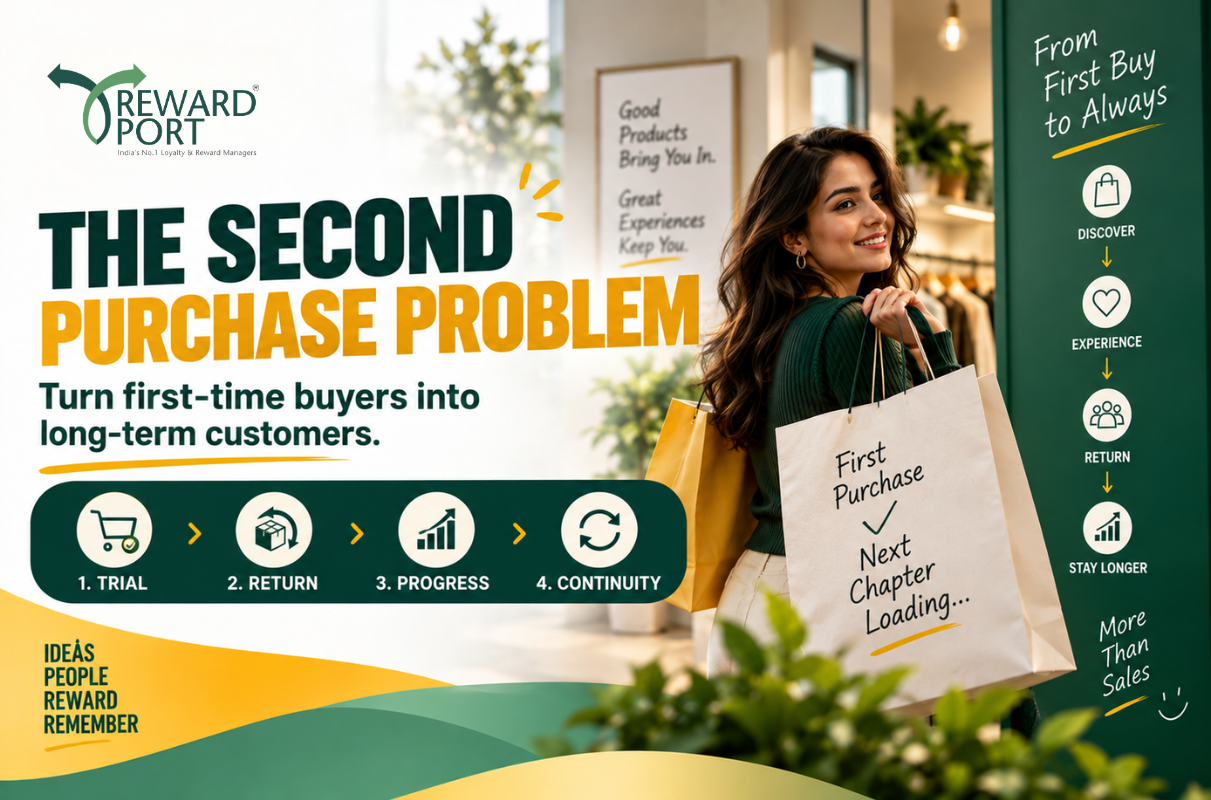
The fastest way to increase repeat purchase is not to give a bigger reward on the first transaction. It is to design what should happen after it. Brands need to identify the natural repurchase window, recognise the next verified action, show visible progress and increase the value of staying engaged. The objective is simple: turn Purchase #1 into Purchase #2, then turn repetition into habit.
A consumer buys your product.
They scan the pack.
They get ₹50 cashback.
Everyone celebrates the redemption numbers.
Then somebody in the review meeting asks a slightly uncomfortable question:
How many of them bought again?
That is where many consumer-promotion programs suddenly run out of answers.
The first purchase got all the creativity, media money, packaging space, QR technology and reward budget.
Purchase number two was left to hope.
That may be the wrong way around.
The Real Loyalty Problem Is Often Purchase #2
Marketers usually talk about acquisition and retention as two different disciplines.
Consumers do not experience them that way.
There is simply a sequence of decisions.
Should I try this?
Should I buy it again?
Should I keep buying it?
Should this become my brand?
For brands in categories such as nutrition, packaged food, beverages, personal care, OTC, baby care and household products, this creates an important design opportunity.
Instead of asking:
“What reward should we give for purchase?”
ask:
“What behaviour should happen next?”
That single question changes the architecture of the program.
Cashback can still play a role. So can vouchers, merchandise, cinema, travel, experiences and instant-win rewards.
But the reward is no longer the campaign.
It becomes one intervention inside a behavioural sequence.
What Is Habit-Based Loyalty?
Habit-based loyalty is a loyalty or consumer-promotion model that rewards a sequence of desired, verifiable behaviours instead of treating every transaction as an isolated event.
A simple version could look like this:
Try → Return → Repeat → Build progress → Reach a milestone → Unlock greater value
For a coffee brand, that could mean repeat purchase.
For a nutrition product, it could mean replenishment at an appropriate interval.
For skincare, it might be continuation of a regimen and subsequent purchase.
For a financial product, it might mean repeated use of an activated feature.
The exact behaviour changes by category.
The principle does not.
Do not reward activity just because you can measure it. Reward the behaviour that moves the commercial relationship forward.
Starbucks Is Designing for Frequency, Not Only Transactions
The refreshed Starbucks Rewards program launched in March 2026 provides a useful example.
Starbucks introduced Green, Gold and Reserve levels, faster earning at higher levels, personalised offers and increasingly premium benefits. Importantly, Starbucks itself said the program was designed to create the potential for increases in frequency and transactions. Green members can also extend the life of expiring Stars through qualifying monthly activity.
Source: Starbucks — Reimagined Loyalty Program
Look at what is happening underneath the rewards.
The consumer is not merely collecting currency.
There is progress.
There is status.
There is continued activity.
There is something else to reach.
That is a fundamentally different psychological proposition from:
“Buy this today and get ₹50 back.”
One rewards a moment.
The other tries to create momentum.
Duolingo Demonstrates Why Visible Progress Matters
Duolingo is not an FMCG loyalty program, but its famous streak provides one of the clearest demonstrations of behavioural design.
A streak tells a user:
You have already come this far. Don’t stop now.
Duolingo previously reported that learners who reached a seven-day streak were 2.4 times more likely to return the following day than learners without a streak. An experiment separating the streak from the daily goal also produced a 3.3% increase in Day 14 retention in that test.
Source: Duolingo — How Streak Builds Habit
The important lesson for brands is not “copy Duolingo”.
It is this:
Past behaviour can become motivation for the next behaviour.
Most purchase promotions throw that asset away.
Purchase #2 is treated exactly like Purchase #1.
Purchase #3 is treated exactly like Purchase #2.
The consumer sees no journey.
Vitality Shows That the Rewarded Action Does Not Have to Be a Purchase
Vitality takes the idea further.
Members can earn points through activities such as physical activity and other qualifying health-related actions. Weekly activity targets, points, status and rewards create an ongoing engagement system rather than a single transaction-reward exchange.
Source: Vitality — How Points Work
That provides another important lesson.
A loyalty program becomes more interesting when the brand asks:
What useful behaviour exists between two purchases?
It could be:
- education
- registration
- a challenge
- a product-care action
- a referral
- a review
- a service interaction
- a legitimate usage-related action
- or simply progress toward the next relevant purchase window
That is where loyalty starts becoming an engagement system rather than a points ledger.
The RewardPort 2-3-4 Repeat Loop
For program-design purposes, we can think differently about the first four purchases.
| Purchase | Role | Objective | Consumer Experience | Example Mechanic |
|---|---|---|---|---|
| Purchase #1 | Trial | Remove trial friction | “I got something immediately.” | Cashback, instant reward, sample benefit |
| Purchase #2 | Return | Create the return | “There is a reason to come back.” | Replenishment reward, second-purchase bonus |
| Purchase #3 | Progress | Make progress visible | “I am building towards something.” | Streak, challenge, milestone |
| Purchase #4+ | Continuity | Build continuity | “Staying with this brand has value.” | Status, premium benefits, experiences, recognition |
The important point is not whether four is the magic number.
It isn’t.
Different categories have different purchase cycles.
The idea is to stop designing all purchases as identical events.
Purchase #1 is trial.
Purchase #2 is evidence that the first transaction was not an accident.
Purchases #3 and #4 are opportunities to build continuity.
A good program should know the difference.
Case File: The 30-Day Nutrition Replenishment Loop
Consider a nutrition brand selling a product typically consumed over several weeks.
The conventional promotion might put a QR code on the pack and offer cashback.
That can stimulate trial.
But what if the commercial objective is actually repeat consumption?
A RewardPort-style program could be designed differently.
The first verified pack activates the consumer journey and delivers an immediate micro-reward.
Rather than disappearing after redemption, the consumer can enter a WhatsApp-based journey containing product information, reminders and progress.
At an appropriate replenishment window, the consumer receives a second-purchase challenge.
The second purchase is independently verified through a unique pack code, QR, invoice or other approved proof mechanism.
Now something changes.
The customer is no longer on Day 1.
They have reached Milestone 2.
Purchase #3 could unlock a higher-value benefit.
Purchase #4 could unlock an experience, membership benefit, entertainment reward, merchandise or another reward whose perceived value is considerably higher than another small cashback.
The journey becomes:
Trial → Replenishment → Streak → Milestone
The brand can now analyse something more valuable than redemption.
It can study where consumers stop.
Did they scan once and disappear?
Did they return for Purchase #2 but not Purchase #3?
Which acquisition channel created more repeaters?
Which SKU produced stronger continuation?
Which reward accelerated the next purchase without unnecessarily increasing reward cost?
That is a loyalty dataset.
A cashback report alone is not.
This is an illustrative program architecture, not a disclosed RewardPort client case or performance claim.
Case File: A Personal-Care Brand That Stops Rewarding Every Purchase Equally
Now imagine a personal-care brand where the usual approach is:
Scan. Earn points. Redeem eventually.
Instead, the brand maps an expected replenishment journey.
The consumer receives a small instant benefit at entry.
The second verified purchase unlocks a bonus.
The third opens a choice between several rewards.
The fourth creates status and unlocks something meaningfully different, perhaps cinema, dining, an experience or a higher-perceived-value benefit.
The crucial change is that reward value follows behavioural value.
A consumer completing the behaviour the brand most wants does not receive exactly the same treatment as someone entering for the first time.
That also gives the marketer more control over economics.
Instead of distributing the entire incentive budget at Purchase #1, some value is reserved for people demonstrating the behaviour the program was intended to create.
Again, this is an illustrative RewardPort program design. Actual cadence, qualifying rules and reward economics would need to be based on the category and brand.
Why Not Simply Offer Cashback on Every Purchase?
Because cashback answers a different question.
Cashback is excellent when immediacy, price-value perception or trial is the objective.
But increasing repeat purchase may require additional mechanics.
A customer receiving ₹50 four times sees four transactions.
A customer seeing:
1 of 4 completed
then
2 of 4 completed
then
One more purchase to unlock your reward
sees progress.
Those experiences are not identical.
This does not mean every promotion needs badges, confetti and spinning wheels.
Gamification should not become decoration.
Progress should exist because the underlying behaviour matters.
The Most Important Part of a Streak Is Verification
There is an uncomfortable problem with rewarding repeated behaviour.
The more valuable the reward becomes, the more valuable cheating becomes too.
If a consumer can photograph the same invoice repeatedly, share codes, scan multiple packs in suspicious sequences or manufacture qualifying behaviour, the program can end up rewarding fraud rather than loyalty.
That is why modern habit-based loyalty needs a verification layer.
Depending on the program, this may include:
- unique codes
- QR validation
- OTP
- invoice parsing
- OCR
- SKU verification
- transaction validation
- timing rules
- device controls
- anomaly detection
The design question becomes:
Did the person actually perform the behaviour we wanted to reward?
Without that answer, sophisticated gamification can simply create sophisticated leakage.
How Do You Build a Repeat-Purchase Program?
1. Define the commercial behaviour
Decide whether the program is trying to create second purchase, increased frequency, cross-SKU adoption, replenishment, referral or another measurable action.
2. Understand the natural purchase cycle
A seven-day streak makes no sense for a product normally bought every six weeks.
3. Choose the verification method
Determine how each qualifying behaviour will be validated before designing the reward.
4. Design Purchase #2 before Purchase #1
Work backwards from the behaviour you actually want.
5. Create visible progress
Consumers should understand what they have achieved, what comes next and what additional value is available.
6. Match reward value to behavioural value
Use instant micro-rewards for small actions and more meaningful benefits for higher-value milestones.
7. Measure drop-off between stages
The biggest insight may not be who completed the journey, but where everyone else stopped.
What Should Marketers Measure?
The headline number should not simply be registrations.
Measure Second Purchase Conversion:
Consumers completing Purchase #2 within the defined window ÷ verified first purchasers
Then measure movement from Purchase #2 to #3, time between purchases, streak completion, break points, reward cost per repeat purchaser, fraud rate and the incremental behaviour associated with each intervention.
A brand might discover that increasing the reward makes little difference.
Or that a reminder matters more.
Or that experiential rewards disproportionately motivate the fourth purchase.
Or that one SKU produces a completely different replenishment pattern.
That is the larger opportunity.
The program starts teaching the brand how its consumers behave.
Your Consumer Promotion Is Not an Offer Until It Changes Behaviour
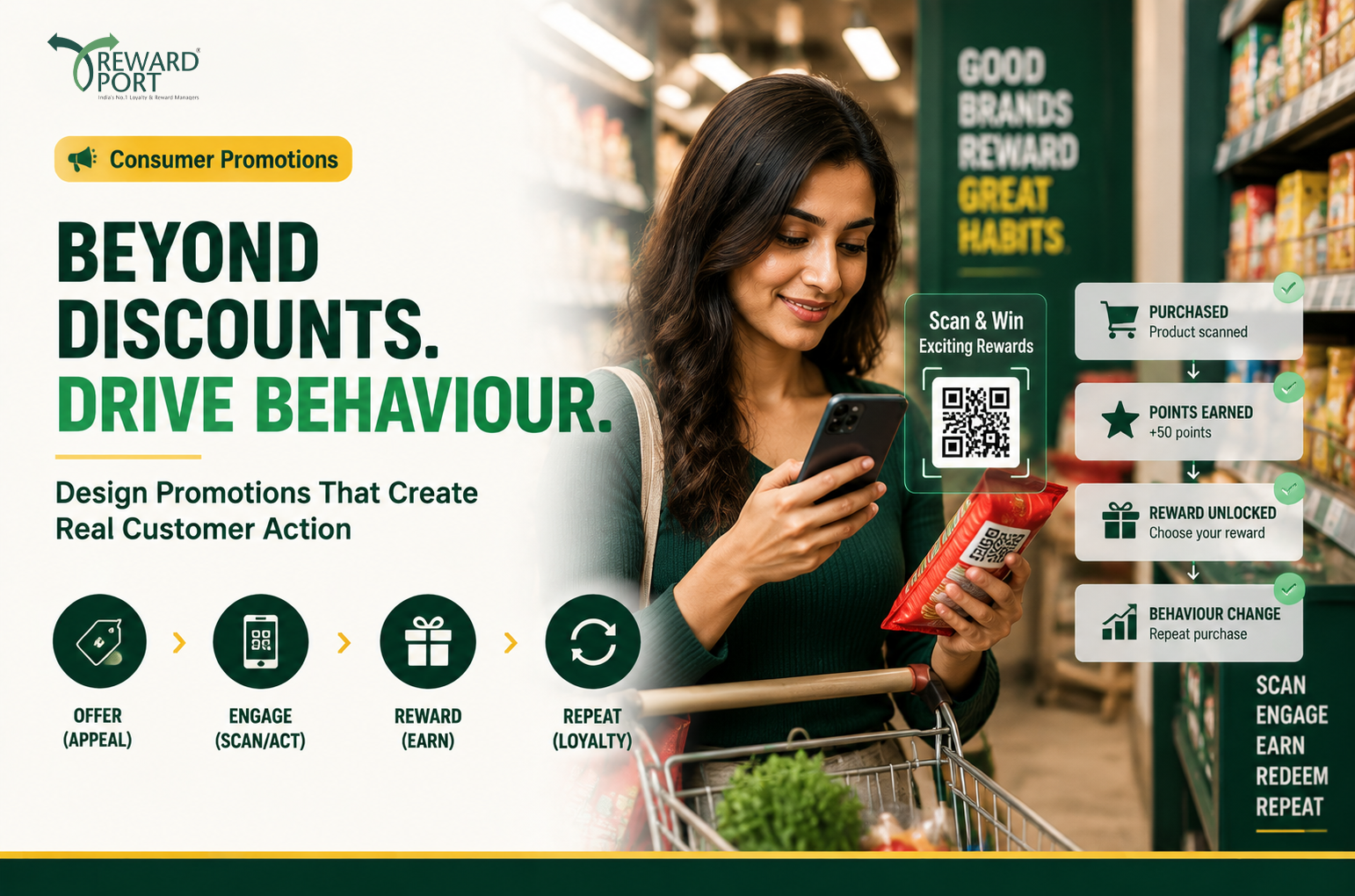
An effective consumer promotion targets one valuable behavior, offers a reward the audience wants, explains the mechanics instantly, makes participation easy, verifies the qualifying action and creates a measurable next step.
A discount can be part of the offer, but price reduction alone does not prove that the promotion created incremental demand, useful customer intelligence or repeat behavior.
Five Things to Remember
- The reward is not the offer. The complete value exchange is the offer.
- If you cannot name the behavior, you cannot measure the promotion.
- Higher perceived value does not always require a higher cash cost.
- Friction, delay and doubt quietly destroy response.
- The best promotion makes the next customer action easier to predict.
Most Promotions Are Spreadsheets Wearing Confetti
A budget gets approved.
A reward gets selected.
A red banner says “WIN”.
A QR code gets added to the pack.
Then everybody waits for redemption numbers.
That is not promotion strategy.
It is campaign assembly.
The missing question is the one that should have come first:
What exactly should the consumer do differently because this offer exists?
Try the brand?
Switch from a competitor?
Buy a new variant?
Increase the basket?
Purchase again sooner?
Refer someone?
Upload a bill?
Return after lapsing?
If the answer is “buy more”, the thinking is not finished.
What Is a Consumer Promotion?
A consumer promotion is a time-bound value exchange designed to trigger, verify and measure a specific consumer action.
The value might be cashback, a voucher, merchandise, a movie, travel, an experience, extra product, access, recognition or a chance to win.
But the reward is only one part.
The complete promotion includes:
- The target audience
- The behavior to be changed
- The qualifying action
- The value offered
- The entry and verification method
- The time window
- The fulfilment experience
- The next desired action
- The measurement plan
Remove any of those pieces and the offer becomes weaker.
Is a Discount the Same as a Consumer Promotion?
No. A discount changes the price. A consumer promotion should change behavior.
A discount may be the correct tool.
Capgemini Research Institute’s 2026 global consumer study, which included India, found that 75% of surveyed consumers considered fixed money-off deals the most effective promotion format, ahead of percentage discounts and buy-one-get-one offers.
So discounts work.
But that is not the same as saying every discount creates incremental growth.
Nielsen IQ states that nearly half of promotional sales can come from purchases that would have occurred without the promotion.
The danger is simple: a brand can give away margin and call the resulting volume “success”, even when the customer was already going to buy.
Discounting is easy to launch. Incremental behavior is harder to design.
The RewardPort PROMO Test
Before approving any consumer promotion, test five parts.
P: Precise Behavior
Choose one primary action.
Not awareness plus trial plus repeat plus referral plus data capture plus loyalty.
One primary action.
Everything else is secondary.
When the action is precise, the audience, mechanic, reward and measurement become easier to design.
R: Relevant Value
The consumer must believe the reward is worth the action.
That does not mean offering the most expensive reward.
A small instant cashback can beat a large but doubtful prize.
A cinema benefit can feel more memorable than the same procurement value in cash.
An experience can create aspiration.
Extra product can work when utility matters most.
Relevance depends on the person, the behavior, the category and the moment.
O: Obvious Mechanics
The consumer should understand the promotion in seconds.
What do I do?
What do I get?
When do I get it?
What could disqualify me?
If the front of the campaign needs a paragraph of legal copy to explain the basic action, the mechanic is too complicated.
M: Measurable Action
The qualifying action must leave evidence.
That could be:
- A unique code
- QR scan
- OTP
- Invoice
- Receipt image
- Transaction record
- Referral ID
- Another approved operational signal
Verification protects the budget.
It also protects the learning.
Bad evidence creates bad conclusions.
O: Ongoing Next Step
Do not let fulfilment end the relationship.
After the reward, what should happen?
- Show progress toward purchase number two.
- Offer a relevant cross-sell.
- Invite a referral.
- Ask one useful preference question.
- Move the participant into a replenishment journey.
A campaign that ends at payout has purchased an action.
A campaign that learns and continues has started building an asset.
The Consumer Promotion Action Equation
Action Strength =
(Perceived Value × Clarity × Trust) ÷ (Effort + Delay + Doubt)
This is a design diagnostic, not an audited financial formula.
Its job is to force better questions.
Perceived Value
Does the benefit feel worthwhile to this audience?
Clarity
Can a consumer understand the promise quickly?
Trust
Does the offer feel genuine, fair and achievable?
Effort
How many steps, fields, uploads and follow-ups are required?
Delay
How long until the consumer receives value?
Doubt
Are the odds, exclusions, eligibility or fulfilment uncertain?
Brands usually try to improve response by increasing the reward.
Often, the cheaper move is to reduce the denominator.
Remove two fields.
Explain the rule better.
Deliver the reward faster.
Make eligibility visible.
Show claim status.
Reduce doubt.
You may not need a bigger prize.
You may need a better offer.
How Do You Build a Consumer Promotion Backwards?
1. Name the Behavior
Write the primary action in one sentence.
2. Estimate the Economic Value
Determine what an incremental action is worth and how much can responsibly be invested.
3. Select the Audience
Separate likely responders from people who would act anyway.
4. Choose the Value Architecture
Match cashback, merchandise, vouchers, cinema, travel or experiences to the audience and effort.
5. Strip Away Friction
Remove every step that does not improve verification, compliance or experience.
6. Define Proof
Select the right validation method and fraud controls.
7. Set Urgency Honestly
Use a clear time window without manufactured pressure or hidden conditions.
8. Design the Next Action
Decide what the participant sees after fulfilment.
9. Measure Incrementality
Compare against a baseline, control or other credible reference where feasible.
What Does a Weak Promotion Look Like?
Illustrative example:
A beverage brand launches “Scan and Win”.
The pack does not say what most people can receive.
Registration asks for seven fields.
The reward arrives days later.
Every purchase gets the same treatment.
The brand reports scans and redemptions.
Technically, it worked.
Commercially, nobody knows.
What Does a Stronger Version Look Like?
The same brand wants consumers to try a new low-sugar variant.
The pack makes one promise:
Try it. Scan it. Get an assured reward now.
The unique code verifies purchase.
The consumer gives only the information needed for delivery and consent.
The first action earns an immediate micro-reward.
The confirmation screen shows progress toward a more memorable benefit after a second verified purchase within a sensible period.
The brand measures:
- Verified trial of the new variant
- Conversion to purchase number two
- Time between purchases
- Reward delivery success
- Duplicate or suspicious claims
- Cost per incremental trial
- Cost per incremental repeat purchase
Same category.
Same QR technology.
Very different offer.
This example is illustrative and is not presented as a RewardPort client case study.
Should Every Promotion Offer Cashback?
No.
Use cashback when liquidity, certainty and speed are the strongest value drivers.
Cashback is excellent when the consumer wants immediate, universally understood value.
It is weaker when the brand needs aspiration, memory, discovery, status or a reward whose perceived value can exceed its delivery cost.
The right question is not:
“Is cashback good?”
It is:
“What form of value best reinforces this action?”
Are Assured Rewards Better Than Contests?
Neither is universally better.
Assured rewards improve certainty.
Contests can increase excitement and prize scale.
Use an assured benefit when broad participation and trust matter.
Use a contest when the audience accepts chance and the prize can create disproportionate attention.
Hybrid structures can combine an assured base benefit with a transparent chance to win something larger.
Always make odds, eligibility, dates and claim rules clear and compliant.
How Large Should the Promotional Reward Be?
Large enough to make the action feel worthwhile, but smaller than the expected economic value of the incremental behavior.
Start with the value of the desired action, not a competitor’s reward.
Then test:
- Perceived value
- Response
- Fulfilment cost
- Fraud exposure
- Unit economics
A high reward can attract participation while destroying unit economics or attracting the wrong behavior.
Why Do Consumers Abandon Promotion Journeys?
Most abandonment comes from:
- Low perceived value
- Confusing mechanics
- Excessive effort
- Slow fulfilment
- Lack of trust
Track drop-off at each step.
If scans are high but registrations are low, the form or promise may be weak.
If approvals are high but redemptions are low, fulfilment may be failing.
Diagnose the step. Do not blame the consumer.
How Should Consumer-Promotion Fraud Be Controlled?
Match verification strength to the reward value and abuse risk.
Controls can include:
- Unique-code validation
- OTP
- Invoice or receipt parsing
- Duplicate detection
- Velocity limits
- Device or account signals
- Time rules
- Manual review for exceptions
Do not add so much control that genuine participants cannot complete the journey.
What Are the Most Important Consumer-Promotion Metrics?
Measure:
- Incremental sales or actions, not only total promotional sales
- Verified participation rate
- Cost per incremental action
- Purchase number two or repeat-action rate
- Completion and drop-off by journey step
- Reward delivery time and success rate
- Redemption or utilization rate
- Duplicate, rejected and suspicious claim rates
- Support contacts and complaints
- Useful consented first-party data captured
Does a One-Off Consumer Promotion Create Loyalty?
Not by itself.
A one-off promotion can recruit, reactivate or trigger trial.
Loyalty requires repeated value and repeated preference.
A smart promotion can become the first step in a loyalty journey when the brand recognizes the participant, learns from the action and designs a relevant next interaction.
The Final Test
Before you approve the next consumer promotion, remove the logo from the presentation.
Remove the celebrity.
Remove the campaign name.
Remove the confetti.
Now read the offer.
Is the action precise?
Is the value relevant?
Are the mechanics obvious?
Can the action be measured?
Does it create a next step?
If yes, you have a promotion.
If not, you have decoration.
Where RewardPort Fits
RewardPort helps brands design and operate consumer promotions around measurable behavior.
The execution can combine:
- On-pack or digital mechanics
- QR and unique codes
- WhatsApp journeys
- OTP
- Bill or invoice parsing
- UPI cashback
- Vouchers
- Merchandise
- Cinema
- Travel
- Experiences
- Fulfilment
- Fraud controls
- Reporting
The objective is simple:
Do not merely distribute rewards.
Build an offer that earns the right action and improves the next one.
Planning a consumer promotion?
RewardPort can review the offer using the PROMO Test before the campaign goes live. Speak with RewardPort.

The End of the Discount? Why FMCG Brands Need to Measure Incremental Sales, Not Promotional Redemptions
The End of the Discount? Why FMCG Brands Need to Measure Incremental Sales, Not Promotional Redemptions
For decades, consumer promotions have been one of the most widely used growth tools for FMCG brands.
A discount.
A cashback offer.
A free gift.
A contest.
A reward.
The success of these campaigns has often been measured through one simple question:
“How many consumers participated?”
But participation alone does not always represent business impact.
A campaign can achieve thousands of redemptions and still fail to create incremental growth.
The more important question for marketers today is:
Did the promotion create new behavior, or did it simply reward behavior that would have happened anyway?
As brands become more data-driven, FMCG marketers are shifting from measuring only redemptions and payouts towards understanding:
- Incremental sales
- Repeat purchase behavior
- Consumer acquisition
- Category expansion
- Long-term loyalty
At RewardPort, we believe the future of consumer promotions is not about offering bigger discounts.
It is about designing smarter engagement journeys that influence measurable consumer behavior.
Key Takeaways
- Redemption numbers alone do not define promotion success.
- Brands need to measure whether campaigns create incremental consumer behavior.
- Discounts can drive short-term transactions but may not always create loyalty.
- Purchase verification and data capture help brands understand promotion effectiveness.
- Reward strategy should align with the behavior a brand wants to influence.
- The strongest promotions create a bridge between acquisition, engagement and loyalty.
Why Redemption Numbers Can Be Misleading
A high redemption rate is often considered a successful campaign indicator.
However, redemption only answers one question:
Did consumers claim the reward?
It does not answer:
- Did the promotion bring new consumers?
- Did existing consumers buy more?
- Did consumers switch from competitors?
- Did the campaign increase repeat purchase?
- Would the purchase have happened without the incentive?
For example:
A consumer who already planned to buy a product and receives cashback has created a successful redemption.
But from a growth perspective, the brand needs to understand whether that cashback created additional value.
The difference between:
Rewarding an existing purchase
and
Creating additional purchase behavior
is where promotion effectiveness is determined.
Understanding Incremental Sales
Incremental sales refer to the additional sales generated because of a campaign or intervention.
The key question:
“What additional business did the promotion create?”
Incremental growth can come through different behaviors:
New Consumer Acquisition
A promotion encourages a new consumer to try the brand.
Example:
A first-time buyer purchases because of a cashback or reward offer.
Brand Switching
A consumer chooses the brand instead of a competitor.
Example:
A customer trying a new detergent brand because the promotion provides additional value.
Purchase Acceleration
A consumer purchases earlier than planned.
Example:
A customer buys during a festive promotion instead of waiting.
Basket Expansion
A consumer buys more products or chooses higher-value options.
Example:
A reward encourages a larger purchase quantity.
Repeat Purchase
A promotion creates a reason for the consumer to return.
Example:
A loyalty journey encourages continued engagement after the first purchase.
The Difference Between Redemption and Incrementality
A successful promotion should move beyond:
Purchase → Reward → End
Towards:
Purchase → Engagement → Relationship → Repeat Behavior
Redemption is an activity.
Incrementality is an outcome.
Both are important, but they answer different business questions.
| Measurement | What It Shows |
|---|---|
| Redemption rate | Consumer participation |
| Reward payout | Campaign cost |
| Number of claims | Engagement volume |
| Repeat purchase | Behavior change |
| Incremental sales | Business impact |
| Customer retention | Long-term value |
Brands that measure only redemption may miss whether their investment actually created growth.
RewardPort Framework: The Five Jobs of Promotion
Every consumer promotion should have a clear purpose.
At RewardPort, we believe promotions typically perform five strategic jobs.
1. Recruit
Bringing New Consumers Into The Category
The first role of a promotion is acquisition.
Brands can use:
- Cashback offers
- Trial rewards
- QR-based promotions
- Assured rewards
- Sampling campaigns
The objective:
Convert non-users into first-time customers.
2. Switch
Changing Consumer Preference
Promotions can encourage consumers to move from competing brands.
Effective switching campaigns focus on:
- Clear value proposition
- Relevant rewards
- Simple participation
- Strong product experience
The reward becomes the reason to try.
The product becomes the reason to stay.
3. Accelerate
Influencing Purchase Timing
Some promotions do not create new demand.
They bring forward existing demand.
Examples:
- Festive campaigns
- Limited-period rewards
- Seasonal promotions
The objective:
Encourage consumers to purchase sooner.
4. Expand
Increasing Basket Value and Category Adoption
Promotions can encourage consumers to:
- Buy more quantity
- Try additional products
- Explore premium variants
Rewards can help create opportunities for category expansion.
5. Repeat
Creating Long-Term Consumer Behavior
The strongest promotions do not end after redemption.
They create the next interaction.
Examples:
- Loyalty programs
- Reward journeys
- Membership benefits
- Personalized offers
The objective:
Move from a transaction to a relationship.
Why Discounts Alone Are Losing Effectiveness
Discounts remain useful.
But discount-led engagement has limitations.
When consumers become accustomed to offers, brands may face:
- Reduced emotional connection
- Lower differentiation
- Higher promotional dependency
- Margin pressure
A discount answers:
“Why should I buy now?”
A loyalty experience answers:
“Why should I continue choosing this brand?”
Modern consumers increasingly value:
- Experiences
- Recognition
- Convenience
- Personalized benefits
- Instant value
This is why reward-led promotions are becoming more important.
The Role of Purchase Verification in Promotion Effectiveness
A strong promotion starts with accurate purchase validation.
Verification helps brands understand:
- Genuine participation
- Consumer behavior
- Purchase patterns
- Geographic insights
- Reward effectiveness
Methods can include:
- QR code scanning
- Unique code validation
- Receipt upload
- Digital purchase verification
RewardPort enables brands to create structured consumer journeys where purchase verification connects directly with reward fulfilment and engagement.
Reward Strategy: Moving Beyond Discounts
The right reward depends on the behavior a brand wants to influence.
Different audiences respond differently.
Examples:
For Immediate Action
- Cashback
- Digital vouchers
- Instant rewards
For Engagement
- Movie tickets
- Entertainment benefits
- Food rewards
For Premium Audiences
- Travel experiences
- Lifestyle rewards
- Exclusive access
For Long-Term Loyalty
- Points
- Tiers
- Membership benefits
A reward should not only create excitement.
It should support the business objective.
RewardPort’s Perspective and Solution Approach
RewardPort helps brands design consumer promotions that connect engagement, verification and rewards.
Our solutions include:
Consumer Promotion Campaigns
Helping brands execute:
- Cashback campaigns
- QR Scan-to-Win campaigns
- Gift-with-purchase programs
- Gamification campaigns
Purchase Verification Solutions
Supporting:
- QR verification
- Code-based validation
- Digital claim journeys
- Fraud management
Reward Fulfilment
Offering rewards across categories including:
- Digital vouchers
- Cashback
- Entertainment
- Travel experiences
- Lifestyle rewards
Loyalty Integration
Helping brands convert promotional interactions into longer-term engagement through loyalty programs and personalised consumer journeys.
Practical Recommendations for FMCG Marketers
1. Define the Behavior Before Designing the Promotion
Ask:
What should change after this campaign?
- Trial?
- Repeat?
- Higher basket?
- Brand switching?
2. Select Rewards Based on the Objective
Do not start with:
“What reward should we give?”
Start with:
“What behavior do we want to influence?”
3. Capture Consumer Intelligence
Use promotions as opportunities to understand:
- Who participated
- What they purchased
- Which rewards they prefer
- How they engage afterwards
4. Measure Beyond Redemption
Track:
- Repeat purchase
- Incremental sales
- Consumer retention
- Reward effectiveness
- Cost per incremental action
The future of FMCG promotions is moving beyond discounts and redemption numbers.
Brands need to understand whether campaigns create meaningful consumer behavior change.
The most effective promotions will not simply reward purchases.
They will:
- Recruit new consumers
- Influence switching
- Accelerate purchase decisions
- Expand category adoption
- Create repeat behavior
At RewardPort, we believe successful promotions are built around one important question:
Did the campaign create growth that would not have happened otherwise?
Because the true measure of a promotion is not how many rewards were claimed.
It is the behavior that continues after the reward.
The Rise of Contractor Loyalty Programs in Building Materials: Driving Sales and Engagement in India
In India’s expansive building materials sector, contractor loyalty programs have emerged as pivotal strategies to strengthen ties with contractors and trade partners. These programs are not only reshaping how businesses engage this important audience but are also delivering measurable increases in sales performance and channel activation. For B2B marketers, trade marketers, brand managers, HR leaders, and channel teams, understanding this trend is essential in 2026 and beyond.
Market Context and Industry Developments
The Indian construction and building materials market is projected to grow robustly with increased infrastructure projects, government initiatives like Smart Cities, and urban housing demands. Contractors, key decision-makers and influencers in purchase cycles, demand tailored engagement approaches that reward loyalty and incentivize repeat business.
Traditional promotional methods are evolving, with contractors favoring programs that offer instant gratification, easy redemption, and relevant rewards. More companies are leveraging digital platforms to track participation and deliver rewards at scale, enhancing motivation and loyalty among contractors.
Emerging Trends in 2026
Key trends shaping contractor loyalty programs in building materials in 2026 include:
- Personalized Rewards: Custom rewards that align with contractor preferences such as power tools, multi-brand vouchers, travel, and entertainment
- Gamification and Instant Gratification: Incorporating gamified elements and instant win campaigns to boost enthusiasm and participation
- Digital Integration: Using mobile app-based tracking and redemption to streamline program interaction
- Cashback and UPI-based Rewards: Growing acceptance of cashbacks that improve liquidity and incentivize continued purchases
- Channel Partner Incentive Alignment: Programs that integrate dealer-distributor incentives with on-ground contractor engagement
Implications for Marketers and Channel Leaders
Marketers and channel leaders must adopt a multi-layered loyalty approach focusing on contractor segmentation, ease of participation, and reward relevance. The goal is to boost program engagement and foster long-term loyalty that delivers upsells, repeat purchase, and advocacy.
Additionally, real-time data analytics and campaign performance tracking help fine-tune rewards and communications, aligning incentives closely with business goals.
RewardPort Perspective and Solution Approach
At RewardPort, we specialise in channel partner incentive programs that adapt well to contractor loyalty needs in building materials. Our solutions feature:
- Dealer & Channel Partner Incentive Programs: Seamlessly integrated with CRM/ERP systems for automated participation and redemption.
- Instant or Tiered Cashback Campaigns: To incentivize frequent purchases and higher volumes.
- Multi-Brand Vouchers & Travel Rewards: Versatile reward catalogs catering to contractor preferences for flexibility.
- Gamification Engines & Digital Rewards: Enhancing enjoyment and motivation with branded games and instant wins.
- Campaign Analytics: Detailed insights into engagement and ROI to optimize ongoing campaigns.
Our technology platforms enable efficient campaign execution, tracking, and reward fulfilment ensuring transparent and satisfying user experiences.
Verified RewardPort Case-Study Insights
While specific building materials contractor programs are evolving, RewardPort experience with dealer loyalty and channel partner incentives in adjacent sectors demonstrates success in driving trade engagement. These programs have resulted in stronger participation through instant redemption rewards and gamification, leading to measurable sales uplift and improved brand salience.
Implementation Recommendations
1. Conduct contractor segmentation based on purchase behaviour and preferences.
2. Design tiered rewards combining instant gratification and aspirational prizes.
3. Integrate digital tracking for real-time monitoring of transactions.
4. Leverage multi-category rewards from travel to electrical appliances to enhance appeal.
5. Employ gamification to increase participation and extend program life.
6. Use campaign analytics to adapt and optimize incentives continuously.
The rise of contractor loyalty programs in building materials is a significant opportunity for Indian businesses looking to deepen engagement and drive sales. By adopting tailored, digitally enabled, and rewards-driven programs, companies can boost contractor motivation, improve repeat purchase rates, and activate their channel more effectively. RewardPort expertise and versatile incentive solutions are well positioned to support these evolving needs in 2026 and beyond.
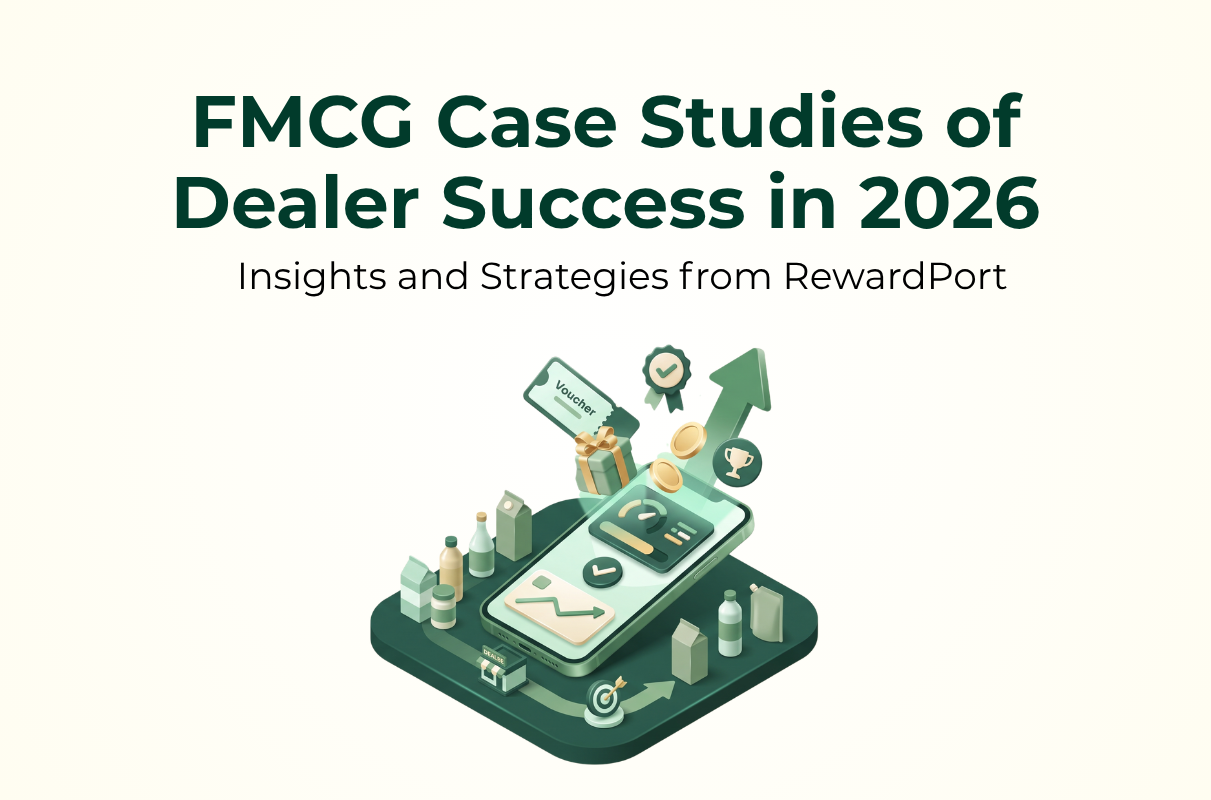
FMCG Case Studies of Dealer Success in 2026: Insights and Strategies from RewardPort
In 2026, the dynamics of FMCG distribution in India continue to evolve rapidly. Dealer success is a pivotal factor that determines brand market share and growth, especially in a diverse and competitive landscape. Understanding the proven strategies and emerging trends that enable FMCG dealers to thrive helps brands optimise channel engagement, sales performance, and customer loyalty.
Market Context: The Role of Dealers in India’s FMCG Ecosystem
Dealers and distributors remain critical intermediaries for FMCG companies, especially in tier 2 and tier 3 cities and rural markets. Their influence extends beyond mere stockists to active partners in promoting, selling, and servicing products. The move towards digital transformation and data-driven marketing has created new opportunities and challenges for dealers to engage consumers and maximise sales.
Emerging Trends Shaping FMCG Dealer Success in 2026
Several key developments are defining dealer success across FMCG segments in India this year:
- Hyper-Personalised Channel Incentives and Performance Gamification: Data-backed, instant reward programs linked with gamified sales targets increase dealer motivation and enhance participation.
- Integrated Loyalty Programs for Dealers and Consumers: Cross-linked loyalty platforms that reward consumer purchases with benefits for dealers strengthen on-ground push and retention.
- Instant Cashback and UPI-Based Reward Systems: The adoption of digital incentive payouts via UPI enhances trust and accelerates dealer reward redemption.
- Experiential and Wellness Rewards: Beyond monetary rewards, experiential travel, health packages, and skill development create emotional loyalty among top-performing dealers.
- Data-Driven Consumer Promotions at Retail Outlets: AI-powered local consumer insights help dealers offer targeted promotions, reducing wastage and improving conversion.
Practical Implications for Channel and Trade Marketers
For B2B marketers, trade marketing teams, and channel leaders, deploying the right mix of incentives and loyalty initiatives is crucial. Programs must be tailored to dealer segments with clear targets and quick reward gratification to sustain interest. Leveraging digital platforms integrates analytics, campaign management, and reward fulfilment to increase transparency and ease of participation.
RewardPort Perspective: Delivering Channel Partner Incentive Excellence
RewardPort specialises in creating impactful dealer and distributor incentive programs aligned with FMCG business goals. We facilitate digital-first campaigns featuring instant gratification rewards such as cashback, multi-brand vouchers, and catalog-based experiential rewards. Our platforms support gamification and tiered loyalty to motivate dealers at scale while delivering rich data analytics to optimise program ROI.
For instance, our proven model includes:
- Dealer engagement campaigns featuring QR scan-to-win cashback prizes combining assured and draw-based rewards.
- Loyalty programs with points, tiers, and multipliers driving repeat purchases by dealers and trade partners.
- Channel partner rewards integrating travel, entertainment, and wellness categories expanding beyond purely transactional benefits.
- Instant UPI and digital wallet payouts reducing delays and improving dealer satisfaction.
Verified RewardPort Case Study Learnings
While specific client confidentiality restricts naming, RewardPort deployment of dealer loyalty programs in the FMCG sector has delivered measurable results such as increased active participation rates, stronger repeat order frequency, and higher reward redemption engagement. Our gamified incentive campaigns have consistently boosted dealer sales performance and channel push effectiveness across diverse product categories.
Recommendations for Implementing Successful Dealer Incentive Programs
To maximise FMCG dealer success in 2026, brands should consider the following framework:
- Segment Dealers and Define Clear KPIs: Tailor programs based on sales volume, geography, and product mix to enhance relevance.
- Use Digital Platforms for Instant Rewards: Implement instant cashback, points, and digital vouchers to maintain dealer motivation.
- Incorporate Experiential and Non-Cash Rewards: Add travel, wellness, and entertainment options to create emotional loyalty.
- Enable Data-Driven Consumer Promotions: Equip dealers with local consumer insights to tailor offers.
- Monitor, Analyse, and Iterate: Use campaign analytics to optimise reward structures and engagement.
FMCG dealer success in 2026 hinges on a strategic blend of personalised incentives, digital rewards, and emotional engagement. RewardPort channel partner incentive expertise offers FMCG brands in India comprehensive solutions that drive participation, accelerate sales, and build loyalty in their dealer networks. By embracing digital transformation and innovative reward strategies, brands can create sustainable dealer success stories that translate into broader market leadership.
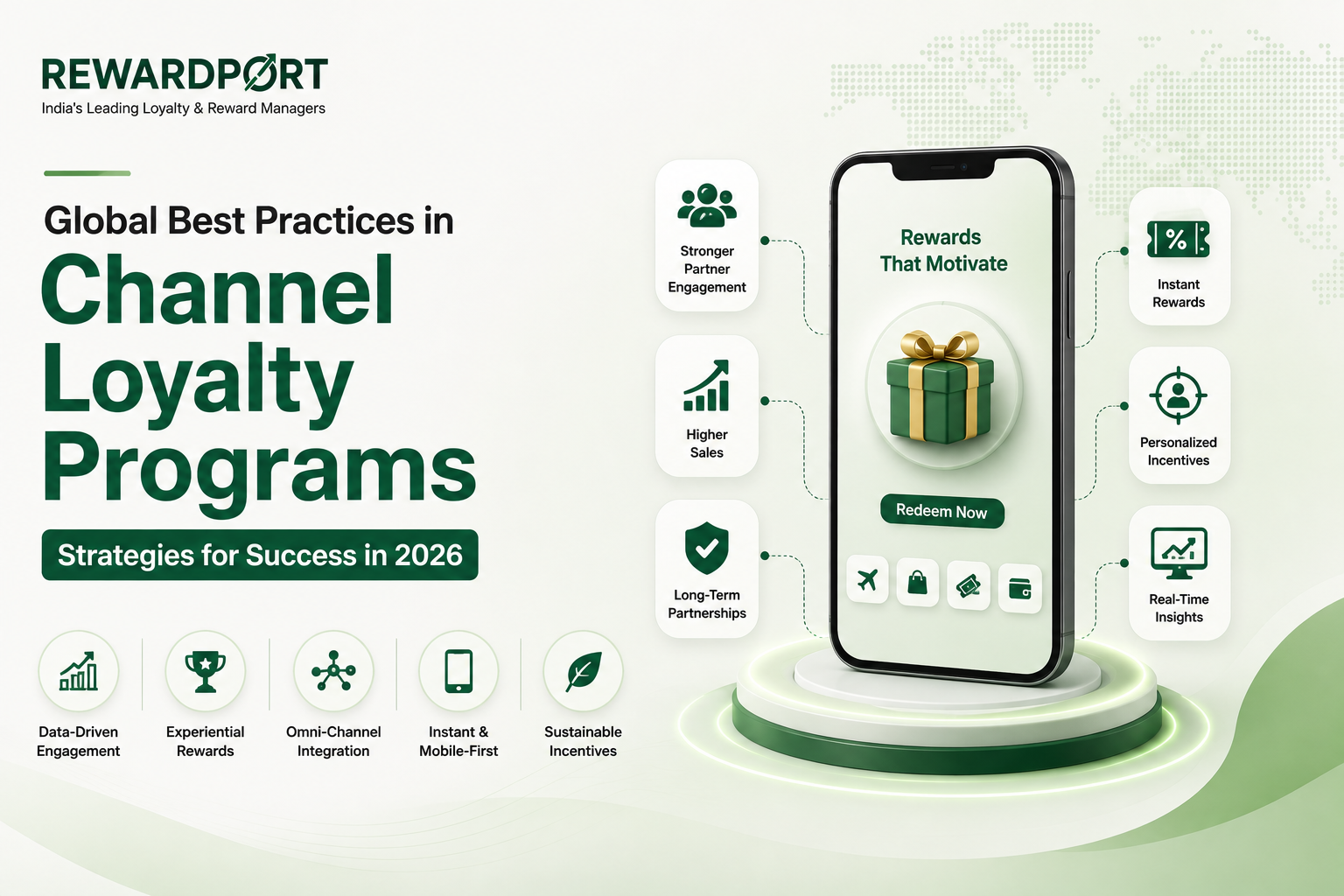
Global Best Practices in Channel Loyalty Programs: Strategies for Success in 2026
In an increasingly competitive market, Indian businesses must optimise their channel loyalty programs to drive stronger engagement, increase sales, and foster long-term partnerships. Effective channel loyalty programs can transform distributors, dealers, and resellers into proactive brand advocates. As we look towards 2026, it is crucial for brands to adopt global best practices with a tailored India-first perspective, leveraging innovations in incentives, rewards, and digital engagement.
Market Context and Industry Developments
India’s vast and diverse trade network demands highly customised approaches for channel engagement. Emerging market trends reveal heightened expectations for instant gratification, digital convenience, and meaningful rewards. The rapid digitisation of trade incentives platforms and integration with CRM and ERP systems enable seamless tracking and reward fulfilment. Globally, businesses are shifting from transactional reward points to experiential and personalised reward offerings, reflecting evolving consumer and partner behaviour.
Key Trends in Channel Loyalty Programs for 2026
1. Digital and Data-Driven Engagement: Real-time analytics and AI-powered insights are refining program designs, enabling tailored communications and rewards aligned with partner performance and preferences.
2. Experiential Rewards and Gamification: Beyond traditional monetary incentives, channel programs increasingly incorporate gamification elements and exclusive experiences to deepen emotional engagement.
3. Omni-Channel Integration: Unified platforms connecting online and offline incentive channels ensure smooth partner experiences across diverse touchpoints.
4. Instant Rewards and Mobile-First Approaches: Instant voucher redemptions, multi-brand catalogues, and mobile app integrations meet partner expectations for speed and convenience.
5. Sustainability and Social Responsibility: Aligning incentives with social impact themes is gaining traction, particularly among younger channel partners and distributors.
Practical Implications for Indian B2B Marketers and Channel Leaders
Indian businesses must balance automation with personalisation to scale successful channel loyalty programs. Understanding diverse dealer and distributor profiles helps in curating relevant reward categories—from travel and entertainment to essential digital vouchers. Integration of technology platforms that support instant gratification, multi-brand voucher catalogues, and comprehensive analytics is essential. Cross-functional coordination among sales, marketing, and HR ensures alignment on incentive goals and effective program execution.
RewardPort Perspective and Solution Approach
RewardPort specialises in designing and executing channel partner incentive programs tailored to Indian market nuances. Our platform integrates seamlessly with CRM and ERP systems for real-time tracking and automated reward fulfilment. We offer a diverse reward catalogue including travel club memberships, multi-brand gift vouchers, experiential rewards like movie and entertainment vouchers, and instant cashback options, all accessible via mobile-friendly redemption flows. Our gamification engine and digital engagement tools enhance participation and motivation.
Verified RewardPort Case-Study Learnings
One notable case involved a leading FMCG brand leveraging RewardPort dealer incentive program with tiered loyalty points and instant voucher redemption. This approach boosted trade partner engagement by over 25%, increased repeat purchases, and accelerated sales growth. Another campaign utilised gamified contests and multi-brand vouchers to motivate channel partners, resulting in enhanced participation and measurable uplift in quarterly sales volumes.
Practical Recommendations for Implementation
- Define Clear Objectives: Align channel loyalty goals with broader business objectives such as sales growth, market penetration, or product launches.
- Segment Channel Partners: Tailor rewards and communication based on partner roles, geography, and past behaviour.
- Leverage Technology: Implement integrated platforms for real-time tracking, analytics, and seamless reward fulfilment.
- Incorporate Gamification: Use digital games and contests to enhance engagement and sustain motivation.
- Offer Diverse and Instant Rewards: Provide a range of reward choices including experiential, multi-brand vouchers, and cashback for instant gratification.
- Measure and Optimize: Continuously monitor program performance and refine incentives based on data-driven insights.
Adopting global best practices in channel loyalty programs is critical for Indian businesses aiming to strengthen partner engagement and drive sales excellence in 2026. By leveraging RewardPort advanced incentive solutions, diverse reward catalogues, and robust digital platforms, organisations can deliver impactful, measurable, and motivating loyalty programs tailored to the dynamic Indian channel ecosystem.
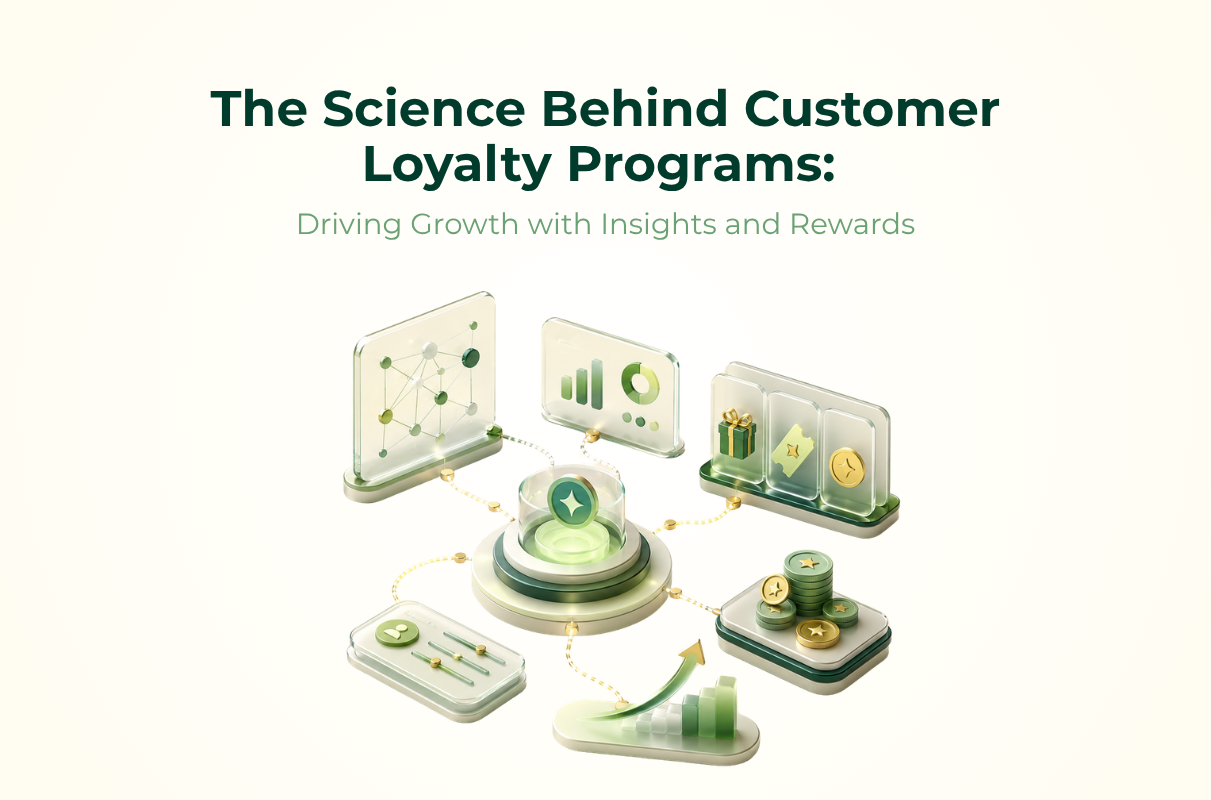
The Science Behind Customer Loyalty Programs: Driving Growth with Insights and Rewards
In today’s competitive Indian market, understanding the science behind customer loyalty programs is crucial for brands aiming to boost engagement, drive repeat purchases, and build lasting relationships. As businesses evolve in 2026, customer loyalty programs have become sophisticated engines of growth, leveraging behavioural insights, technology, and tailored rewards to deepen consumer connections.
Market Context and Consumer Behaviour in India
India’s diverse consumer landscape calls for loyalty strategies that resonate across demographics and regions. With increasing digital adoption and smartphone penetration, Indian consumers now expect seamless, instant, and personalised loyalty experiences. Moreover, the rise of value-conscious shoppers post-pandemic has made reward relevance and immediacy paramount.
Recent trends show that Indian consumers respond well to multi-channel loyalty programs that integrate digital rewards, cashback offers, and experiential incentives such as travel or entertainment. Channel partners and trade stakeholders also seek meaningful incentives that align with business goals, emphasizing the need for targeted dealer and distributor rewards.
Emerging Trends in Customer Loyalty Programs for 2026
Looking forward, several key trends are shaping customer loyalty programs in India:
- Gamification: Engaging customers and employees alike through interactive games increases participation rates and brand recall.
- Instant Gratification: Offering immediate rewards like digital cashback or multi-brand vouchers satisfies consumers’ desire for quick benefits.
- Omnichannel Integration: Seamless loyalty experiences across physical and digital touchpoints amplify impact.
- Data-Driven Personalisation: Leveraging analytics to tailor rewards improves relevance and program effectiveness.
- Channel Partner Incentives: Sophisticated dealer reward programs drive stronger channel activation and loyalty.
Practical Implications for Indian B2B and Trade Marketers
For B2B marketers, trade teams, and channel leaders, customer loyalty programs must align with broader sales and engagement goals. Programs designed with real-time tracking, tiered rewards, and integrated analytics can motivate distributors and dealers effectively, ensuring better participation and ROI.
HR leaders and sales managers also benefit from employee incentive programs that use instant digital rewards and gamified elements to boost motivation and performance.
RewardPort Perspective on Loyalty Program Science
At RewardPort, we bring a comprehensive approach that integrates behavioural science with technology-powered execution. Our solutions span consumer promotions, loyalty programs, channel incentives, and employee rewards—all anchored by seamless digital reward fulfilment.
Our reward catalogue includes travel, entertainment, multi-brand vouchers, cashback, and experiential rewards, allowing brands to tailor incentives that resonate with diverse Indian consumers and channel partners.
Verified RewardPort Case Study Insights
For example, our work with a leading FMCG brand involved a multi-tiered loyalty program combining cashback and experiential rewards, resulting in increased repeat purchases and higher customer retention. Another channel partner incentive program leveraged digital points and instant redemption to boost dealer engagement significantly.
Implementation Framework and Recommendations
Indian businesses aiming to harness the power of customer loyalty programs should consider these steps:
- Define clear objectives: Align loyalty goals with business outcomes such as repeat purchase, channel activation, or employee motivation.
- Leverage data: Use consumer insights and analytics for personalisation and targeted rewards.
- Integrate technology: Employ platforms for instant gratification, seamless reward fulfilment, and real-time tracking.
- Choose relevant rewards: Select from categories like travel, entertainment, cashback, and vouchers to ensure appeal.
- Engage partners: Use dealer and distributor incentives that align with channel strategies.
- Measure and optimise: Track participation, ROI, and campaign effectiveness continuously.
The science behind customer loyalty programs offers Indian businesses a robust pathway to deepen customer and channel partner engagement. By leveraging insights, technology, and RewardPort comprehensive solutions, brands can craft loyalty programs that drive sustained growth and measurable results in 2026 and beyond.
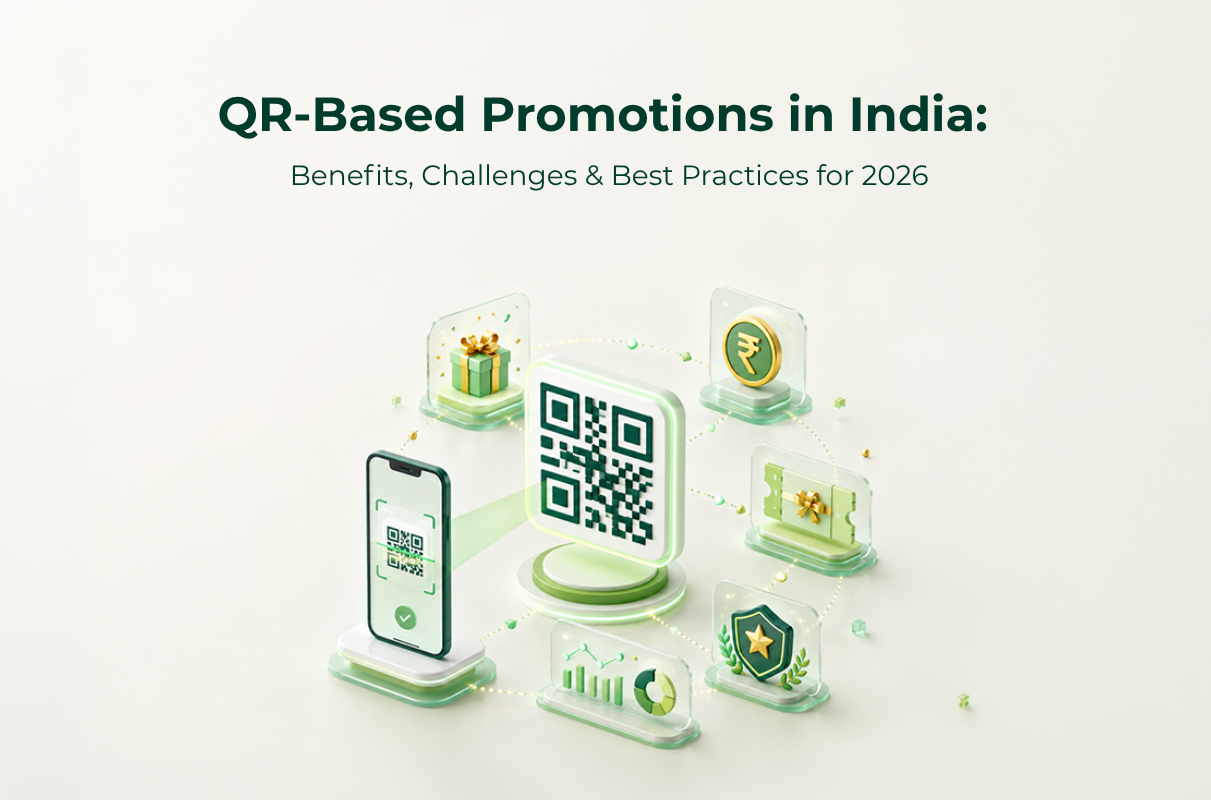
QR-Based Promotions in India: Benefits, Challenges & Best Practices for 2026
In the evolving landscape of Indian marketing, QR-based promotions have emerged as a pivotal tool for brands and businesses to engage consumers, partners, and employees. By 2026, leveraging QR technology effectively represents a significant opportunity for marketers to drive participation, sales, and loyalty. This article explores why QR-based promotions matter for Indian businesses, the latest market dynamics, challenges, and best practices, all from RewardPort perspective.
Understanding the Market Context and Consumer Behavior
India’s deep adoption of digital payments, primarily propelled by the Unified Payments Interface (UPI), has created a fertile ground for QR-based interactions. Consumers are highly accustomed to scanning QR codes for everyday transactions, which sets a natural stage for brands to integrate promotions and loyalty programs seamlessly. This mass familiarity extends from urban metros to Tier 2 and Tier 3 cities, making QR-based promotions a cost-effective way to reach a broad demographic.
Moreover, QR codes enable real-time data collection on consumer preferences, purchase patterns, and geographic insights, empowering marketers with actionable analytics for personalized offers. These insights help shape consumer promotions and loyalty campaigns that resonate more effectively with their target audiences.
Emerging Trends in QR-Based Promotions for 2026
Looking ahead, several key trends are shaping QR-based promotions in India:
- Enhanced Reward Variety: Beyond instant cashback and digital vouchers, brands are increasingly offering experiential rewards such as movie tickets, dining vouchers, and wellness subscriptions, tapping into evolving consumer expectations.
- Instant Gratification: QR codes facilitate immediate reward redemption, critical for generating quick participation and loyalty, especially in consumer and employee engagement programs.
- Integrated Digital Ecosystems: QR scanning is becoming seamlessly integrated with CRM and ERP systems to harmonize channel partner incentive schemes, dealer rewards, and sales incentive management on a single platform.
Challenges Indian Businesses Face with QR-Based Promotions
Despite the benefits, there are notable challenges to consider:
- Digital Divide and Connectivity Gaps: Uneven smartphone penetration and internet access in rural India can limit campaign reach and inclusivity.
- Consumer QR Fatigue and Security Concerns: Overexposure to QR campaigns or fears about fraudulent codes can reduce trust and participation.
- Technological Integration Complexity: Combining QR campaigns with diverse reward catalogs like cashback, multi-brand vouchers, and experiential rewards requires robust backend infrastructure.
Practical Implications for B2B and Trade Marketers
Marketers, brand managers, and channel leaders must design QR-based promotions that balance clear value propositions with seamless user experiences. For channel incentivization, QR codes printed on product packaging or invoices can allow dealers and retailers to instantly claim rewards, boosting transparency and motivation. For consumer promotions, QR scans can trigger immediate discounts, loyalty points, or sweepstakes entries.
RewardPort Perspective and Solution Approach
RewardPort leverages its expertise through digital reward fulfillment platforms and a diverse reward catalog to support impactful QR-based promotions. Our offerings include instant gratification rewards, cashback and UPI-based incentives, multi-brand vouchers, and entertainment options like movie tickets and travel experiences, aligning with Indian consumer preferences.
We also support integrated channel partner incentive programs where QR codes enable performance tracking and real-time rewards, enhancing dealer and distributor engagement. Our gamification engine and WhatsApp redemption flows further enrich user experiences, making QR-based promotions more interactive and accessible across customer and channel touchpoints.
Verified RewardPort Case-Study Learnings
RewardPort has facilitated multiple brand promotions employing QR scan-to-win campaigns and instant cashback rewards that have driven repeat purchases and higher engagement. For example, a festive QR Scan-to-Win campaign combining digital vouchers, OTT subscriptions, and travel prizes yielded a measurable uplift in sales and customer participation. Such campaigns highlight the effectiveness of instant gratification and diversified rewards in maintaining consumer interest in QR promotions.
Best Practices and Implementation Framework
- Clear and Incentive-Driven CTAs: Clearly communicate rewards via the QR code to overcome consumer hesitation and QR fatigue.
- Mobile-Optimized and Multilingual Support: Provide streamlined scanning and redemption experiences accessible to diverse Indian audiences.
- Robust Security Measures: Use verified QR codes to build trust and mitigate fraud concerns.
- Data-Driven Personalization: Leverage real-time analytics to tailor offers dynamically, boosting relevance and ROI.
- Reward Variety: Combine instant cashback, experiential, and wellness rewards to appeal to different consumer segments.
Implementing these strategies within RewardPort integrated digital platforms ensures scalable, measurable, and audience-aligned campaigns.
QR-based promotions stand as a cornerstone tactic in India’s marketing ecosystem for 2026 and beyond. By understanding benefits and challenges and adhering to best practices, businesses can significantly enhance consumer and partner engagement while driving sales and loyalty. RewardPort specialized digital reward solutions and strategic insights equip Indian brands and channel leaders to harness the full potential of QR-based promotions with measurable outcomes and sustainable growth.
The Role of Personalization in Customer Loyalty: Strategies for Indian Businesses in 2026
In India’s rapidly evolving market, personalization in customer loyalty has emerged as a critical differentiator for brands looking to build lasting customer relationships. As consumers demand experiences tailored to their individual needs, businesses must adapt their loyalty programs and promotions to stay relevant and competitive in 2026 and beyond.
Market Context and Consumer Behaviour in India
Recent studies show that 73% of Indian consumers expect personalised experiences across all brand interactions. This reflects a broad shift from generic offers to hyper-personalised engagements that recognise customer preferences, behaviours, and context. Mobile-first approaches leveraging location, time, and past purchase data further drive effective personalised promotions.
Simultaneously, Indian consumers are becoming more privacy conscious, demanding transparency around data collection and a clear value exchange for sharing information. Brands that respect this expectation build stronger trust, forming a foundation for successful loyalty programs.
Emerging Trends for 2026
Several trends shape the personalization landscape in customer loyalty:
- Living Loyalty: Loyalty programs evolve into continuous engagement platforms offering dynamic content, exclusive access, and tailored experiences.
- AI-Driven Real-Time Offers: Use of artificial intelligence to deliver precise promotions based on deeply analysed customer data.
- Instant Digital Rewards: Preferences lean toward cashback, UPI-based rewards, and instantly redeemable digital vouchers facilitating immediate gratification.
- Personalized Channel Partner Incentives: Dealers and distributors benefit from customised sales targets, gamified incentives, and real-time performance dashboards, driving motivation and loyalty.
- Experience and Wellness Rewards: Increasing demand among premium segments for lifestyle-aligned experiential and wellness rewards.
Implications for B2B Marketers and Channel Leaders
For B2B marketers, trade marketers, and channel sales leaders, personalization extends beyond consumer rewards to partner engagement. Using data analytics to tailor incentive programs helps reinforce dealer loyalty and sales performance. Gamification and digital engagement platforms enable brand partners to interact with personalised training and challenges that encourage consistent performance improvements.
HR leaders and loyalty managers find personalization vital in employee rewards, motivating teams with relevant, instant gratification options encompassing multi-brand vouchers, experiential rewards, and wellness offerings.
RewardPort Perspective and Solution Approach
At RewardPort, we specialise in designing consumer promotions and loyalty programs that incorporate hyper-personalization to maximise engagement and business outcomes. Our solutions include:
- AI-enabled personalised campaigns delivering offers tailored by purchase history, location, and behavioural data.
- Multi-channel reward fulfillment combining instant cashback, digital vouchers, and experiential rewards aligned to customer preferences.
- Dealer and channel partner incentive programs leveraging real-time performance tracking and gamification to customise targets and incentives.
- Employee rewards programs focussed on personalised recognition through flexible reward catalogues spanning travel, entertainment, food, and wellness categories.
These capabilities allow brands to implement living loyalty ecosystems that foster repeat purchase, channel activation, and employee motivation with measurable ROI.
Verified RewardPort Case Study Highlights
While specific client confidentiality limits detailed disclosure, RewardPort has successfully enabled campaigns featuring:
- Gift with purchase models combined with monthly movie ticket rewards to significantly boost repeat sales among Indian consumers.
- Dealer loyalty programs integrating points systems with quarterly redemption options, enhancing trade engagement and channel push performance.
- Employee incentive programs utilising multi-brand voucher catalogs for personalised rewards, achieving higher motivation and retention.
Practical Recommendations and Implementation Framework
Brands seeking to leverage personalization in customer loyalty effectively should consider the following steps:
- Data Segmentation and Analytics: Gather and analyse customer and partner data to segment audiences accurately.
- Personalised Communication: Deploy AI-driven communications across digital and mobile channels for timely, relevant touchpoints.
- Flexible Reward Options: Offer a choice of instant cashback, digital vouchers, and experiential rewards to match diverse preferences.
- Channel and Employee Integration: Extend personalized incentives to dealers, distributors, and employees to create a comprehensive loyalty ecosystem.
- Transparency and Trust: Communicate data privacy policies clearly and ensure customers perceive real value in sharing data.
- Continuous Measurement: Use campaign analytics to track participation, engagement, and ROI for ongoing optimization.
Personalization in customer loyalty is no longer a luxury but a strategic imperative for Indian businesses in 2026. By delivering tailored experiences, flexible rewards, and transparent engagement, brands can build deeper loyalty bonds, enhance sales performance, and drive sustained growth. RewardPort expertise and technology platforms empower marketers and channel leaders to implement these personalized loyalty strategies effectively, ensuring measurable business impact.
Multi-Brand Loyalty Programs for Trade Partners: Driving Engagement and Sales in India 2026
In an increasingly competitive Indian market landscape, multi-brand loyalty programs for trade partners have become an essential strategy for brands aiming to deepen relationships, boost participation, and stimulate repeat sales across diverse channels. By 2026, the integration of digital technologies and evolving incentives tailored to trade partners are reshaping how businesses foster loyalty and drive measurable outcomes.
Market Context and Consumer Behavior in India
India’s vast and fragmented trade ecosystem, especially spread across Tier 2 and Tier 3 cities, demands nuanced loyalty solutions that address varied partner profiles and regional preferences. Trade partners today seek not just transactional rewards but meaningful engagement avenues that allow them to enhance their business capabilities and receive timely incentives. The rise of instant digital payments via UPI and broad smartphone penetration accelerates the adoption of instant gratification mechanisms in loyalty programs.
Current and Emerging Trends in Multi-Brand Loyalty
Leading developments in 2026 include AI-driven hyper-personalization, integrated digital platforms that aggregate multiple brand incentives, and gamification to enhance partner motivation. Programs increasingly blend monetary rewards with experiential and wellness perks, addressing the holistic needs of trade partners and improving retention. Sustainability-linked rewards and social impact incentives, though nascent, are increasingly valued by brands and partners alike, reflecting growing ESG priorities.
Practical Implications for B2B and Channel Marketers
For B2B marketers, HR leaders, and channel teams, implementing multi-brand loyalty means creating unified communication channels, leveraging data analytics for insightful segmentation, and offering flexible, immediate rewards such as multi-brand vouchers, cashback, and experiential benefits. Embracing gamification boosts engagement by adding competitive yet fun elements like points, leaderboards, and achievement tiers, making the program dynamic and rewarding participation consistently.
RewardPort Approach to Multi-Brand Loyalty Programs
RewardPort specializes in end-to-end consumer promotions and channel partner incentives that align perfectly with the multi-brand loyalty model. Our digital reward fulfilment platform supports instant redemption, multi-brand catalogs, and UPI-based cashback, ensuring seamless reward delivery. With a broad reward catalog featuring travel, entertainment, food, health & wellness, and essential services, RewardPort offers the variety trade partners expect. Our gamification engine and analytics tools help drive sustained engagement and provide measurable ROI, enabling brands to fine-tune campaigns effectively.
Verified RewardPort Case Study Insights
Among various success stories, RewardPort channel partner incentives leveraging tiered loyalty points and instant redemption vouchers have consistently delivered higher repeat sales and increased partner participation. For example, programs integrating travel and experiential rewards saw elevated motivation across dealer networks, particularly in non-metro regions. The combination of instant cashback with multi-brand gifting options provided partners with flexible choices, reinforcing loyalty while accelerating sales.
Implementation Recommendations
To maximize the impact of multi-brand loyalty programs, brands should:
- Leverage data to personalize rewards and communications at the partner level.
- Integrate platforms that consolidate interactions across brands and simplify reward tracking.
- Offer a mix of instant digital and experiential rewards to cater to diverse partner motivations.
- Use gamification to sustain enthusiasm and reinforce performance milestones.
- Prioritize reach into Tier 2/3 cities and rural markets with localized content and rewards.
- Incorporate sustainability incentives aligned with corporate values.
Multi-brand loyalty programs for trade partners represent a strategic frontier for Indian businesses seeking competitive advantage through stronger channel engagement and repeat sales. RewardPort expertise, comprehensive reward catalog, and cutting-edge digital solutions enable brands to deploy dynamic, engaging, and measurable loyalty initiatives that resonate with the evolving aspirations of trade partners across India.
Harnessing Competition to Boost Loyalty & Rewards Programs: A RewardPort Perspective
In today’s fiercely competitive Indian market, loyalty and rewards programs have evolved from simple point accumulation schemes to dynamic, engaging platforms where competition plays a crucial role in driving consumer and partner behavior. By 2026, brands leveraging competitive elements such as gamification, tiered rewards, and real-time incentives are best positioned to deepen customer retention and channel engagement.
The Competitive Landscape of Loyalty Programs in India
The Indian market’s competitive intensity has pushed brands to adopt hyper-personalized loyalty strategies that use AI for more relevant reward offerings. Consumers, increasingly aware and demanding, seek instant gratification and meaningful experiences beyond traditional discounts. This trend is accompanied by the rise of subscription-based loyalty programs like Amazon Prime and Flipkart Plus, which bind customers via exclusive benefits and services.
To differentiate, companies are forming ecosystem partnerships, enabling cross-brand reward redemption and broader reward catalog access — from travel experiences like VacPac to entertainment such as OTT subscriptions and movie tickets. This ecosystem approach helps brands offer unique, value-rich experiences that resonate deeply.
Driving Engagement Through Competitive Consumer Promotions
Consumer promotions now utilize competition-focused techniques including gamification and contests. RewardPort gamification engine powers over 100 branded games that add fun, challenge, and instant reward elements—key ingredients to boosting repeat purchases and sustained engagement. For instance, scratch & win campaigns and QR scan-to-win promotions have been effectively used by brands like Bikaji to deliver OTT subscriptions, pizzas, and travel prizes, sparking festive upticks and brand loyalty.
Experiential rewards focusing on wellness, travel, and entertainment further create emotional appeal, standing out in price-sensitive markets. Instant digital redemptions via mobile apps ensure seamless user experiences aligned with today’s demand for real-time interactions.
Strengthening Channel Partner Incentives with Competitive Dynamics
Channel incentives have embraced competition by employing tiered and performance-based rewards, fostering loyalty among dealers and partners. RewardPort Channely platform integrates CRM and ERP systems to deliver data-driven, transparent incentive tracking and instant gratification. Tiered partner programs offer escalating margins, exclusive products, and marketing support, reinforcing partner commitment and driving measurable sales growth.
Case studies from RewardPort portfolio showcase how these competitive incentives result in higher dealer engagement and business outcomes. For example, Infra Market’s dealer loyalty points program with quarterly redemption cycles witnessed marked trade engagement improvements, demonstrating how competition combined with strategic rewards creates sustained motivation.
RewardPort Catalog: Aligning Rewards with Competitive Strategies
Effective loyalty programs balance fun, attainable rewards with strategic business objectives. RewardPort extensive reward catalog addresses diverse audience needs: youth-oriented entertainment and OTT apps, family-focused travel and dining experiences, channel partner travel club memberships and multi-brand vouchers, as well as employee rewards with gift vouchers and merchandise. This breadth allows customized campaigns that fit the competitive context and target demographics.
Competition as a Catalyst for Loyalty Program Success
Competition is no longer an external market force but an intrinsic driver within loyalty and rewards programs. By integrating competitive elements through gamification, tiered incentives, instant digital rewards, and a rich catalog aligned with audience preferences, brands not only enhance engagement but also foster loyalty and drive growth. RewardPort insights and solutions empower Indian brands to harness competition strategically for sustainable advantage in 2026 and beyond.
Why Indian Consumers Prefer Instant Gratification Over Delayed Rewards: A RewardPort Perspective
In India’s fast-evolving digital economy, where consumer expectations are shaped by instant access and immediate benefits, marketers and businesses face a critical question: why do consumers prefer instant gratification over delayed rewards? As we approach 2026, this preference is particularly pronounced, driven by technological advancements, psychological factors, and economic realities. Understanding these drivers is essential for brands aiming to craft effective promotions and loyalty programs. RewardPort expertise in consumer promotions, loyalty initiatives, and channel incentives offers valuable insights into harnessing this trend for maximum engagement and business growth.
The Rise of Instant Gratification in India’s Digital Era
India’s digital revolution – powered by widespread smartphone adoption, UPI-enabled payments, and e-commerce boom – has fundamentally altered consumer expectations. Instantaneous access to goods, services, and financial transactions has conditioned consumers to seek immediate rewards rather than wait for future benefits. This “now culture” is reinforced not only by the speed of digital interactions but also by the psychological satisfaction associated with instant wins and tangible value.
Psychological Drivers Behind the Preference
Behavioral economics explains the preference for instant gratification through the dopamine feedback loop and certainty bias: immediate rewards trigger a pleasurable dopamine release, while delayed rewards suffer from uncertainty and discounting. Indian consumers, navigating a price-sensitive market with economic uncertainties, especially value tangible and immediate benefits like cashback or instant vouchers, which offer clear, direct advantages over abstract future rewards.
Economic Factors Fueling Instant Reward Demand
Economic conditions amplify the need for immediate value. Inflationary pressures and concerns about long-term economic stability make consumers prioritize current cost savings and value for money. Additionally, trust issues with brands or programs promising delayed rewards can dampen motivation, strengthening the appeal of instant, transparent incentives that provide immediate gratification without ambiguity.
RewardPort Solutions Tailored to Instant Gratification
At RewardPort, we recognize these dynamics and have developed execution methods and reward solutions that align perfectly with consumer preferences for immediate benefits.
Consumer Promotions: Instant discount and cashback campaigns leveraging digital wallets and UPI have demonstrated higher conversion rates and repeat purchase frequency. For example, RewardPort Cashback Engine powers instant cashback rewards that consumers can redeem immediately, boosting engagement and loyalty.
Loyalty Programs: Our loyalty modules emphasize instant point accrual on purchases and immediate tier upgrades, providing ongoing instant rewards alongside long-term benefits. The success of programs like Being Human’s loyalty scheme, with its blend of points and tier discounts, exemplifies how instant rewards keep consumers engaged and ensure repeat purchases.
Channel Partner Incentives: Incentivizing dealers and channel partners with instant digital vouchers or direct bank transfers for hitting sales targets proves more motivating than delayed payouts. Rewards like RewardPort Channely platform enable seamless, instant incentive distribution, enhancing channel engagement and productivity.
Reward Catalog: Our extensive catalog features instant redemption options highly favored by consumers, such as cashback, multi-brand gift vouchers, movie tickets, and digital subscriptions. These choices not only satisfy immediate desires but also foster brand affinity and repeat engagement.
Case Examples Reflecting Instant Gratification Success
While respecting confidentiality, RewardPort work with brands like Amy’s Kitchen and Bikaji illustrates the power of instant rewards. Amy’s Kitchen combined food vouchers with instant rewards like movie and dining benefits, boosting trial purchases. Bikaji’s festive QR Scan-to-Win campaign offered assured instant vouchers plus grand travel prizes, creating a festive sales uplift through immediate gratification elements.
Embracing Instant Gratification for Future-Ready Programs
As Indian consumers increasingly prefer instant gratification in their reward experiences, marketers must pivot their strategies accordingly. RewardPort empowers brands to design and implement promotions, loyalty, and incentive programs that deliver immediate value, enhancing engagement, trust, and sales outcomes. Leveraging instant cashback, digital vouchers, and tiered loyalty with immediate benefits ensures programs resonate strongly, driving measurable business impact well into 2026 and beyond.