
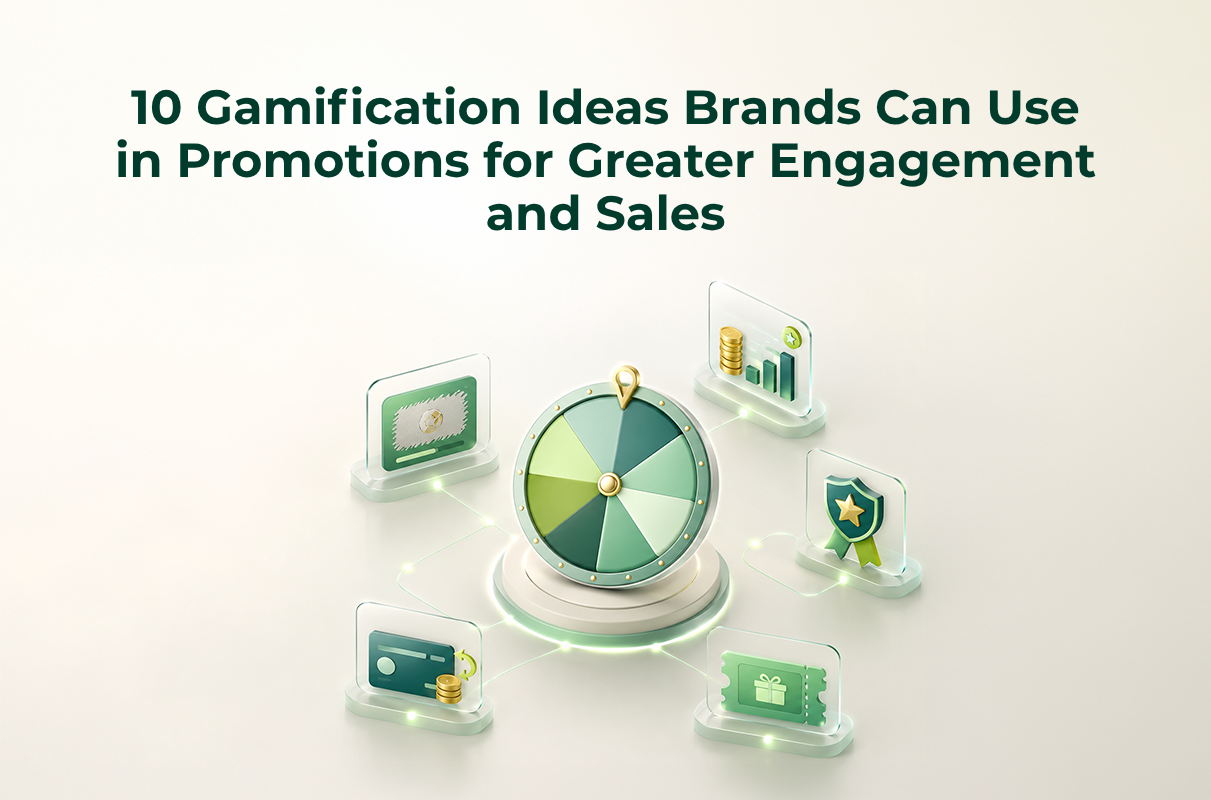
10 Gamification Ideas Brands Can Use in Promotions for Greater Engagement and Sales
In the rapidly evolving Indian market, brands are recognising gamification as a powerful tool to engage consumers, incentivise repeat purchase, and energise sales channels. Gamification ideas for promotions offer interactive and rewarding experiences that go beyond traditional marketing. As 2026 unfolds, embracing gamified campaigns can enhance brand visibility, customer loyalty, and channel partner motivation.
Why Gamification Matters to Indian Businesses in 2026
Indian consumers, particularly younger demographics, show growing preference for interactive and digital-first engagement. As digital penetration deepens, brands leveraging gamification can capitalise on increased smartphone access and social media affinity. Gamification taps into intrinsic and extrinsic motivators through points, badges, leaderboards, and instant rewards, creating memorable brand experiences that boost participation and repeat transactions.
Market Context and Consumer Behaviour Trends
The Indian market in 2026 is witnessing increased demand for personalised, real-time rewards. Consumers favour gamified promotions that offer instant gratification combined with aspirational prizes across travel, entertainment, and food categories. Brands also focus on omnichannel activation, integrating offline and online touchpoints to widen reach. Channel partners and employees are engaged through gamification to drive sales performance and loyalty.
2026 Gamification Trends for Brand Promotions
Emerging trends include use of AI-driven games for personalised challenges, WhatsApp-based gamified contests for wider participation, and QR code-enabled instant wins embedded in product packaging. Another trend is gamified referral programs encouraging social sharing, and spin-the-wheel mechanics rewarding partner dealers and employees. Data analytics and campaign dashboards enable real-time optimisation based on participation insights.
Top 10 Gamification Ideas for Brand Promotions
- Spin the Wheel Games: Popular for instant rewards and high excitement, effective in both consumer and dealer promotions.
- Scratch & Win: Assured prizes combined with grand draws motivate trial and repeat purchases in FMCG and appliances.
- Quiz and Trivia Challenges: Educational and engaging, ideal for brand awareness and knowledge reinforcement campaigns.
- Points and Levels Systems: Loyalty programs using tiered rewards encourage sustained engagement and upsell.
- Leaderboards and Badges: Competitive elements that enhance motivation among sales teams and channel partners.
- Referral Gamification: Incentivising customers to bring friends, expanding brand reach organically.
- WhatsApp-to-Win Contests: Easy participation via mobile messaging, driving high engagement.
- QR Code Scans for Instant Rewards: Encourages purchase and product interaction, blending physical and digital.
- Branded Digital Games: Fun, shareable content boosting brand recall and social engagement.
- Receipt Uploads & Validation: Enables authentic participation tracking and loyalty accrual.
Implications for B2B Marketers and Trade Teams
Trade marketers and channel leaders can utilise gamified incentive programs to energise dealer and distributor networks. Tailored rewards from RewardPort multi-brand voucher catalog, travel and entertainment rewards, and cashback options appeal to diverse partner segments. Gamification also aids performance tracking and prompt reward fulfilment, driving motivation and measurable sales uplift.
RewardPort Perspective and Solutions
RewardPort’s gamification engine supports over 100 branded game types and turnkey modules such as Spin the Wheel, Scratch & Win, WhatsApp contests, and referral programs. Our digital reward catalogue spans movie tickets, travel experiences, food delivery vouchers, and cashback – all popular with Indian consumers and channel partners. Leveraging our platform’s campaign analytics ensures data-driven optimisation for superior ROI.
Verified RewardPort Case Study Insights
RewardPort campaign for a leading FMCG brand implemented Scratch & Win assured prizes plus holiday grand draws, resulting in significant uplift in repeat purchases and consumer engagement. Another campaign used Spin the Wheel mechanics to incentivise insurance brokers, boosting policy sales and broker activity. These real-world learnings validate gamification as a proven driver for campaign success in India.
Practical Recommendations for Implementing Gamification
- Align gamification formats with brand objectives and target audience preferences.
- Choose rewards that offer both instant gratification and aspirational value.
- Leverage mobile and social platforms for maximum reach and ease of participation.
- Integrate gamification into omni-channel marketing for seamless consumer journeys.
- Utilise RewardPort analytics tools for real-time monitoring and rapid course corrections.
- Ensure reward fulfilment is swift and transparent to build trust.
Gamification ideas for promotions offer Indian businesses a dynamic, measurable way to boost consumer and channel engagement, enhance loyalty, and drive sales growth. As brands look to 2026 and beyond, integrating gamified mechanics with RewardPort expert solutions and rich reward catalogue can unlock meaningful business outcomes and lasting brand affinity.
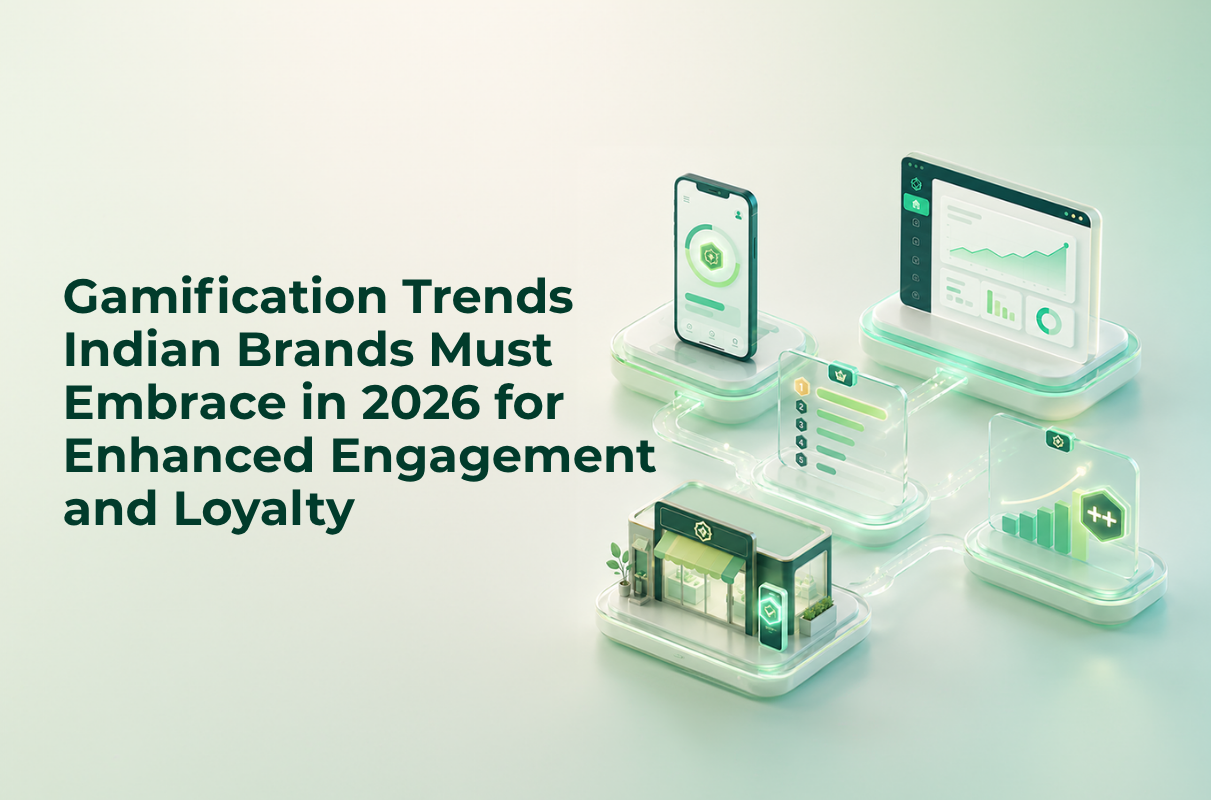
Gamification Trends Indian Brands Must Embrace in 2026 for Enhanced Engagement and Loyalty
Indian brands are rapidly accelerating their adoption of gamification as a strategic tool to drive consumer engagement, deepen loyalty, and incentivize channel partners. As digital penetration and mobile usage continue to soar, especially in tier 2 and 3 cities, gamification offers an interactive, enjoyable way to connect with customers and channel ecosystems. For marketers and HR leaders in India, understanding the latest gamification trends is crucial to crafting campaigns that resonate culturally and deliver measurable outcomes.
The Evolving Context of Gamification in India
The surge in mobile internet users in India has created fertile ground for gamified experiences in marketing and employee engagement. Indian consumers, particularly millennials and Gen Z, seek fun, rewarding interactions beyond traditional promotions. Simultaneously, brands are looking to channel partners not just as distributors but as stakeholders who need motivation through innovative incentive programs. Gamification is now seamlessly integrated with loyalty programs and digital ecosystems, enabling real-time rewards and personalized experiences. Moreover, the Indian festive and shopping seasons have become prime occasions for gamified campaigns that combine entertainment with purchase incentives, driving trial and repeat sales.
Key Gamification Trends Indian Brands Should Watch in 2026
1. Omnichannel Gamified Experiences: Brands are blending mobile apps, websites, physical stores, and social media platforms in gamified journeys that offer consistent rewards. This omnichannel approach ensures engagement at every touchpoint and encourages deeper brand interaction. 2. Integration with Loyalty and Cashback Programs: Instead of standalone games, gamification is increasingly embedded within loyalty ecosystems offering points, tier upgrades, and cashback incentives. RewardPort Cashback Engine and Loyalty Programs modules perfectly complement these trends, empowering brands to boost repeat purchases effectively. 3. Personalization Through Data Analytics: Leveraging customer and partner data, brands create dynamic game mechanics and tailored rewards to maximize motivation. Data-driven personalization increases engagement rates and redemption frequency as seen in successful RewardPort campaigns. 4. Employee and Channel Partner Gamification: Indian enterprises use gamification beyond consumers, motivating sales teams, dealers, and distributors with travel clubs, multi-brand vouchers, and tiered rewards. RewardPort Channely and Travel Club solutions specialize in this area, helping brands uplift channel push and trade engagement. 5. Experiential and Instant Win Rewards: Instant rewards like scratch cards, Spin the Wheel, and assured cashback have gained popularity for immediate gratification, creating buzz and brand excitement. RewardPort offers a diverse reward catalog from OTT subscriptions and movie tickets to travel and dining vouchers, tailored for maximum appeal.
RewardPort Perspective on Leveraging Gamification for Indian Brands
At RewardPort, we advise brands to adopt a holistic gamification strategy that aligns with customer journeys and business goals. Our proven modules enable seamless execution of gamified campaigns with real-time tracking, customized reward rules, and tier management. For example, Philips leveraged RewardPort gift-with-purchase and movie ticket rewards to achieve a significant sales uplift during festive campaigns. Similarly, VIP Bags used travel incentives from RewardPort AirPac to boost dealer motivation and stock availability. Our extensive rewards catalog ensures the incentives are appealing and relevant—from digital entertainment and food vouchers for youth-centric programs to travel and multi-brand vouchers for family and channel partner campaigns. By combining gamification techniques with strategic rewards, brands can achieve higher trial rates, repeat purchases, and channel partner loyalty.
As Indian brands navigate a hyper-competitive market in 2026 and beyond, gamification stands out as a powerful strategy to connect, motivate, and retain consumers and channel partners. RewardPort integrated solutions and diverse reward catalog enable brands to design engaging gamified experiences that drive meaningful business results. Embracing these trends ensures your brand stays ahead in the evolving landscape of consumer promotions and loyalty programs in India.
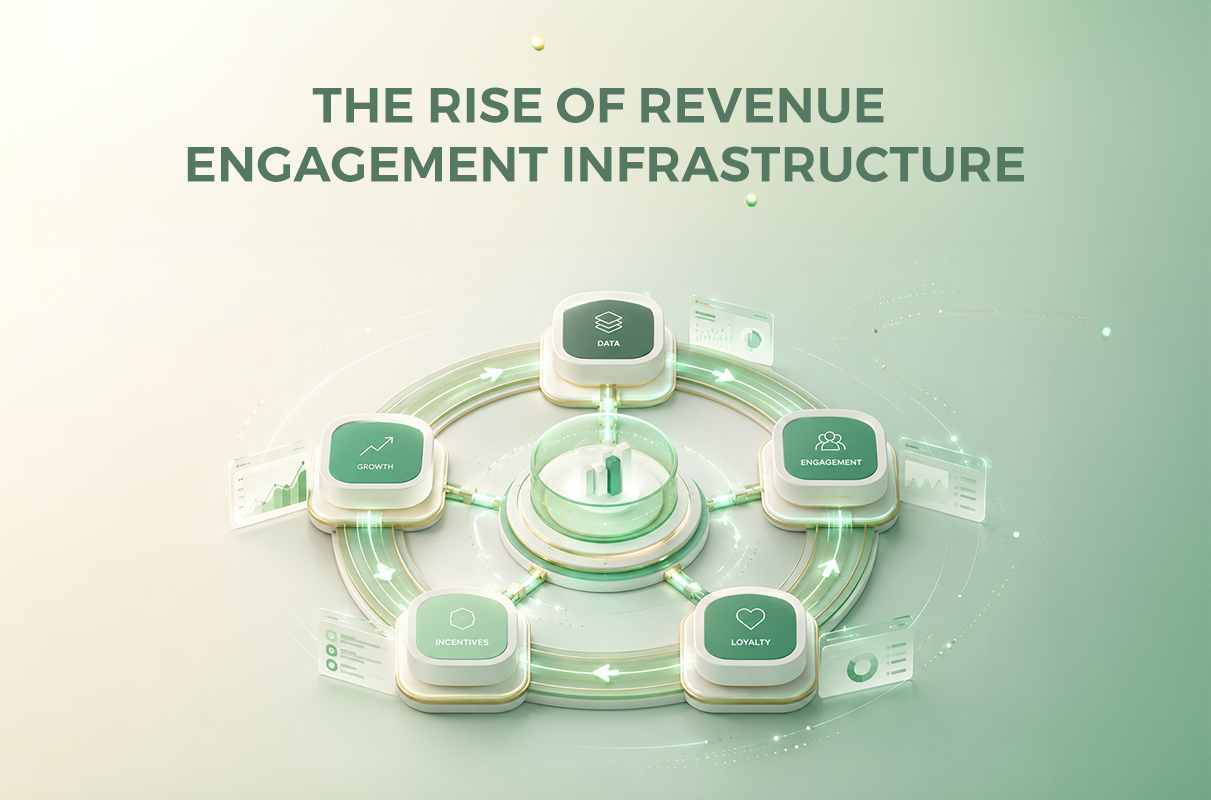
The Rise of Revenue Engagement Infrastructure: Why Loyalty, Rewards, AI, and Experiences Are Converging
For years, businesses have invested separately in marketing, loyalty programs, customer rewards, employee engagement, travel incentives, CRM platforms, and AI tools. Each function served a specific purpose, from acquisition and retention to participation and efficiency.
But today, these areas are no longer working in isolation. Enterprise budgets are starting to converge around one larger goal: influencing customer, employee, and partner behavior in ways that directly drive revenue.
This shift is creating a new category called Revenue Engagement Infrastructure, a connected layer that brings together customer action, incentives, experiences, retention, and revenue outcomes.
What Is Revenue Engagement Infrastructure?
Revenue Engagement Infrastructure is the layer that sits between customer behavior and business outcomes.
Its purpose is simple: to influence actions that lead to revenue.
The companies that will win over the next decade will not simply collect data. They will influence decisions.
The new engagement stack looks like this:
Customer Action → Incentive → Experience → Retention → Revenue
Every step in this chain matters.
A customer takes an action. An incentive encourages the next action. An experience creates emotional value. Retention increases. Revenue follows.
Historically, businesses managed each step independently. Today, technology allows these steps to be connected into one intelligent engagement system.
Why Traditional Loyalty Programs Are Losing Impact
Most loyalty programs were designed for a different era.
Customers would earn points, collect rewards, and redeem them later. But today, consumers are overwhelmed by points and memberships.
Most people cannot remember how many loyalty programs they belong to. Even fewer actively engage with them.
The strongest loyalty programs today are built around engagement, not accumulation. They use:
- Gamification
- Instant rewards
- Surprise benefits
- Exclusive access
- Experiences
- Personalized offers
The goal is no longer just to create members. The goal is to create meaningful customer behavior.
Why Experiences Are Becoming More Valuable Than Discounts
Consumers increasingly value experiences over transactions.
A discount may be forgotten quickly, but a memorable experience creates a story.
Travel, entertainment, dining, attractions, events, and exclusive access generate emotional engagement that traditional rewards often struggle to match.
This is why experience-based rewards are becoming a powerful loyalty currency. Their perceived value is often far greater than their actual cost.
For businesses, this creates a strong engagement lever. For customers, it creates something memorable and worth talking about.
The AI Layer Changes Everything
Artificial intelligence is often discussed as a productivity tool. But the bigger opportunity lies in decision-making.
The next generation of AI systems will not simply generate content or reports. They will help determine:
- Which customer should be engaged
- What reward should be offered
- Which experience is most relevant
- When communication should happen
- How much incentive is required to drive action
This transforms AI from a reporting tool into a revenue engine.
The future belongs to systems that recommend and execute, not systems that simply observe.
Why Enterprise Budgets Are Converging
Marketing, loyalty, rewards, employee engagement, channel incentives, travel experiences, CRM, and AI are increasingly being funded from the same strategic objective: revenue growth.
Organizations are realizing that these outcomes are deeply connected:
- Retention
- Engagement
- Customer lifetime value
- Employee motivation
- Channel partner productivity
- Repeat purchases
- Brand advocacy
A dealer incentive program, a customer loyalty initiative, an employee recognition platform, a travel rewards marketplace, and an AI engagement engine may look different on the surface.
But they are all trying to do one thing: influence human behavior.
That is why the boundaries between these categories are disappearing.
The Next Big Opportunity
The next billion-dollar companies in engagement technology will not be only loyalty companies, travel companies, or AI companies.
They will be companies that combine all three.
They will own the decision layer between action and outcome.
They will know:
- Who to engage
- What to offer
- Which experience to recommend
- When to trigger the interaction
And they will do it at scale.
This is where Revenue Engagement Infrastructure becomes powerful. It connects data, incentives, experiences, and decision-making into one system designed to drive measurable business outcomes.
Final Thought
The future is not about building better dashboards.
It is not about creating more points programs.
It is not about adding another AI chatbot.
The future belongs to organizations that can systematically influence behavior.
The winners will sit between:
Customer Action → Incentive → Experience → Retention → Revenue
That space is becoming one of the most important opportunities in modern business.
And we are only at the beginning.
About the Author
Javed Akhtar Is a serial entrepreneur and the founder of RewardPort, tripXOXO, and EdgeInnovate. He is a business leader and thought leader in loyalty, rewards, customer engagement, and AI-driven marketing. He is also the author of Marketing Then, Now, and AI: Evolving Strategies for the Future, a practical guide focused on hyper-personalization, AI-generated content, and ethical innovation in modern marketing.
Why Scan & Win Campaigns Excel in India’s Marketing Landscape in 2026
India’s consumer marketing arena is evolving rapidly, fueled by skyrocketing digital adoption and changing reward preferences. Among the diverse promotion strategies, Scan & Win campaigns have emerged as especially effective in engaging consumers and energizing channel partners. As India moves through 2026, these campaigns continue to lead India’s digital promotions, blending gamification, instant gratification, and data-driven personalization. At RewardPort, India’s specialist in consumer promotions, loyalty, and channel incentives, we draw on key trends and real-world successes to demonstrate why Scan & Win campaigns work so well in India—and how businesses can leverage our solutions to maximize impact.
India’s Digital Ecosystem Fuels Scan & Win Popularity
India’s smartphone user base is projected to surpass 1 billion by 2026, accompanied by massive uptake of digital payment methods such as UPI, which is expected to cross $10 trillion in transactions. This widespread digital penetration creates fertile ground for QR-based Scan & Win campaigns, where consumers can effortlessly scan codes with their mobiles and instantly participate. The instant gratification of receiving immediate digital rewards or chances to win appeals strongly to Indian consumers, particularly millennials and Gen Z, who crave engaging, real-time experiences. This seamless digital journey, powered by RewardPort QR Scan to Win modules and integrated cashback engines, removes friction in participation and amplifies consumer enthusiasm.
Gamification and Dynamic Rewards Drive Deeper Engagement
Gamification is a critical factor behind Scan & Win campaigns’ success in India. The thrill of chance-based wins combined with assured rewards creates a fun, interactive experience that boosts active campaign participation and repeat purchases. RewardPort portfolio includes over 100 gamified branded games that can be embedded within campaigns to enhance engagement further. Moreover, evolving consumer preferences highlight a shift from simple cashback or digital vouchers toward more personalized, experiential rewards—ranging from travel vouchers (AirPac, VacPac) to wellness packages and exclusive entertainment access. Our diverse reward catalog enables brands to tailor incentives that resonate uniquely with their target segments for higher motivation.
Empowering Channel Partners and Retailers Through Digital Incentives
Scan & Win campaigns extend benefits beyond consumers to channel partners and retailers. Traditional incentive disbursement often involves complex manual tracking, but digital Scan & Win platforms facilitate transparent, instant reward distribution, strengthening channel loyalty and performance. RewardPort Channely program integrates seamless CRM/ERP systems to provide real-time incentive management, enhancing motivation among trade partners. For example, the Delhi Duty Free tiered loyalty program powered by RewardPort showcased significant uplift in repeat purchases by rewarding both shoppers and retailers, demonstrating the power of structured incentives.
Leveraging Data for Personalization and ROI Optimization
A major advantage of Scan & Win campaigns is the rich first-party data generated during consumer participation—from scanning behavior to reward redemption preferences. Brands can harness RewardPort’s analytic tools to segment and personalize future marketing efforts, creating targeted promotions that drive deeper loyalty and efficient marketing spend. This data-driven approach helps businesses forecast trends, optimize reward mix, and customize communication, ensuring campaigns remain relevant and engaging in an increasingly competitive market.
RewardPort Case Studies: Real-World Successes
Several RewardPort-led campaigns illustrate the effectiveness of Scan & Win strategies in India: – Bikaji: The festive QR Scan-to-Win campaign combined OTT, pizza, and travel prizes to spark substantial festive sales growth and brand engagement. – Aaradhana Foods: Incorporating cashback QR codes inside packs alongside grand prize draws led to increased repeat purchases, showcasing the power of assured rewards plus gamified excitement. – Delhi Duty Free: By implementing a tiered loyalty and incentive model, the brand witnessed higher repeat visits and increased sales, proving the value of ongoing engagement.
Practical Guidance for Marketers and Channel Leaders
For B2B marketers, trade marketers, and HR/channel incentive leaders aiming to harness Scan & Win campaigns effectively in India, key takeaways include: – Align execution methods to your target segment: Youth gravitate towards OTT, gaming, and food rewards; families prefer travel and dining incentives; channel partners value travel clubs and multi-brand catalogs. – Combine instant rewards (cashback, assured vouchers) with grand prizes or tiered loyalty systems to balance fun and achievability. – Use digital platforms that effortlessly integrate with your CRM and ERP systems for streamlined channel partner incentives. – Tap into RewardPort plug-and-play modules to deploy quick-to-launch, customizable campaigns backed by a robust catalog covering travel, entertainment, food, wellness, and essentials.
Scan & Win campaigns stand out as a winning marketing approach in India’s digitally empowered landscape. They blend India’s technology-driven consumer behavior with gamification, instant rewards, and channel incentives to create campaigns that engage deeply and deliver measurable business impact. RewardPort expertise and solutions are uniquely positioned to help brands design, implement, and optimize these campaigns, ensuring relevance and success well into 2026 and beyond.
Dealer Contests & Competitions: Driving Channel Engagement and Growth with RewardPort Solutions
In India’s evolving trade landscape, dealer contests and competitions have emerged as pivotal tools for brands aiming to energize their channel partners. These campaigns not only incentivize dealers to push sales but also deepen relationships and foster loyalty in a highly competitive environment. As we advance into 2026, the strategic design and execution of dealer incentive programs are becoming more data-driven, gamified, and customer-centric. RewardPort, with its extensive experience and comprehensive solutions suite, stands at the forefront of this transformation, enabling brands to maximize channel motivation and business outcomes.
The Importance of Dealer Engagement in India’s Diverse Market
India’s distribution channels range from traditional kirana stores and small retailers to large modern trade and e-commerce partners. Engaging this disparate dealer base requires incentives that resonate across varying business sizes and motivations. Dealer contests and competitions provide a dynamic platform to stimulate performance by creating excitement and offering tangible rewards aligned with dealer goals.
RewardPort strong client history reveals that well-executed dealer incentive campaigns can significantly uplift sales volume and market penetration by fostering a competitive yet collaborative environment among channel partners. The use of frequent, tiered rewards and instant recognition methods helps sustain dealer enthusiasm over longer periods.
Current Trends Shaping Dealer Contests & Competitions in 2026
Several trends are shaping how dealer incentives are structured in India today. Digital transformation allows the seamless integration of CRM/ERP systems with incentive platforms, enabling real-time tracking and transparent reporting. Gamification elements, such as spin-the-wheel and scratch & win, introduce fun and instant gratification, making programs more engaging.
Moreover, a shift toward customized rewards that reflect regional preferences and dealer demographics is evident. This includes travel vouchers like AirPac and VacPac, multi-brand gift vouchers, and experience-based rewards, all featured prominently in RewardPort rich catalog.
RewardPort Integrated Approach to Dealer Incentive Programs
RewardPort offers plug-and-play modules such as Channely, designed specifically for channel partner incentives with CRM and ERP integration capability. This ensures smooth execution and end-to-end tracking from dealer registration to reward redemption. Program managers can design contests with various execution methods—spin-the-wheel for instant rewards, referral programs to expand the dealer network, or cashback incentives to boost order volumes—all supported by a robust backend system ensuring transparency and trust.
Case studies underscore the impact: Infra Market leverages dealer loyalty points with quarterly redemption cycles, witnessing notable trade engagement growth. Similarly, Reliance General Insurance’s broker incentives using spin-the-wheel mechanics resulted in a clear uplift in sales, proving the power of gamified, incentive-based dealer programs.
Maximizing Dealer Motivation with RewardPort Reward Catalog
RewardPort extensive reward catalog covers travel experiences, entertainment vouchers (OTT, movies, dining), cashback options, and merchandise, aligning well with diverse dealer preferences. Such a curated rewards ecosystem ensures that celebrations of dealer success are meaningful, motivating incremental performance while reinforcing brand loyalty effectively.
The Future of Dealer Incentives in India
Dealer contests and competitions will continue to be a cornerstone of channel marketing in India by 2026, driven by digital innovation and a deepening understanding of dealer needs and motivations. RewardPort comprehensive, technology-enabled solutions and diverse reward offerings equip brands to craft impactful, scalable, and measurable incentive programs that fuel dealer engagement and business growth.

The Shift From Physical Gifts to Digital Incentives: A New Era for Indian Consumer Promotions and Loyalty
The Digital Incentive Revolution
The landscape of consumer promotions, loyalty programs, channel incentives, and employee rewards in India is rapidly evolving. Businesses, driven by cost efficiency, scalability, and changing customer preferences, are increasingly shifting from traditional physical gifts to innovative digital incentives. This transformation is not just a trend but a fundamental shift that offers Indian B2B marketers, trade leaders, and HR professionals a strategic advantage to engage consumers and partners more effectively through personalized, instant, and trackable rewards.
Context: Why the Shift Is Accelerating in India
India’s digital ecosystem has grown exponentially, supported by widespread mobile penetration, the ubiquity of UPI payments, and a young, tech-savvy population. Consumers now expect immediate gratification, which favors digital rewards such as cashback, e-vouchers, and experiential offers over conventional physical gifts with longer delivery cycles. From 2024 through 2026, research shows digital gift card markets in India are projected to double in value, reflecting a robust shift towards digital incentives. Simultaneously, businesses recognize the operational ease of distributing digital incentives—reducing logistics and tracking complexities associated with physical rewards. Channel partner and dealer incentive programs benefit from real-time data insights, enabling more targeted and impactful reward schemes.
Emerging Trends in Digital Incentives
Several notable trends define the digital incentives market in India: – Instant Gratification and Flexibility: Consumers increasingly prefer instant digital cashback or vouchers redeemable at multiple outlets, enhancing satisfaction and repeat engagement. – Personalized Reward Catalogs: Digital platforms allow brands to offer tailor-made rewards such as OTT subscriptions, travel packages, or wellness programs, improving loyalty program effectiveness. – Experiential and Wellness Rewards: There is growing demand for experiences like travel vouchers (e.g., AirPac, VacPac from RewardPort catalog), dining, health, and fitness subscriptions, which align with evolving consumer lifestyles. – Seamless Channel Partner Engagement: Digital incentives enable smooth reward disbursal and progress tracking, critical for motivating dealers and channel partners.
RewardPort Perspective and Solutions
RewardPort, as India’s specialist in consumer promotions and loyalty programs, is uniquely positioned to harness these trends. Our comprehensive execution methods, including Cashbacks, Gamification, QR Scan-to-Win, and Referral Programs, leverage digital platforms to engage consumers and partners effectively. Our vibrant digital reward catalog includes thousands of options across Travel (VacPac, AirPac), Entertainment (movie tickets, OTT subscriptions), Food (pizza, coffee), Wellness, Essentials, and Cashback offerings, ensuring brands can align rewards with consumer preferences seamlessly.
Case Studies Demonstrating Digital Incentives’ Impact
– Philips: Leveraged Gift with Purchase campaigns paired with free monthly movie tickets from RewardPort entertainment vouchers, resulting in higher sales and customer retention. – Bikaji: Ran a festive QR Scan-to-Win campaign distributing OTT and dining vouchers plus travel prizes, boosting festive season engagement and sales uplift. – Aaradhana Foods: Deployed a cashback QR inside packs combined with assured cashback and draws for major appliances, significantly increasing repeat purchases. These examples show that digital incentives not only enhance consumer excitement but also drive measurable business results.
Future-Proofing Rewards for 2026 and Beyond
The shift from physical gifts to digital incentives is no longer optional but necessary for Indian brands aiming to thrive in a competitive marketplace. Ready access to diverse digital rewards, operational efficiencies, and data-driven insights empower brands to create meaningful experiences that resonate with today’s consumers and partners. RewardPort is committed to leading this transformation with cutting-edge solutions tailored to India’s unique market dynamics.
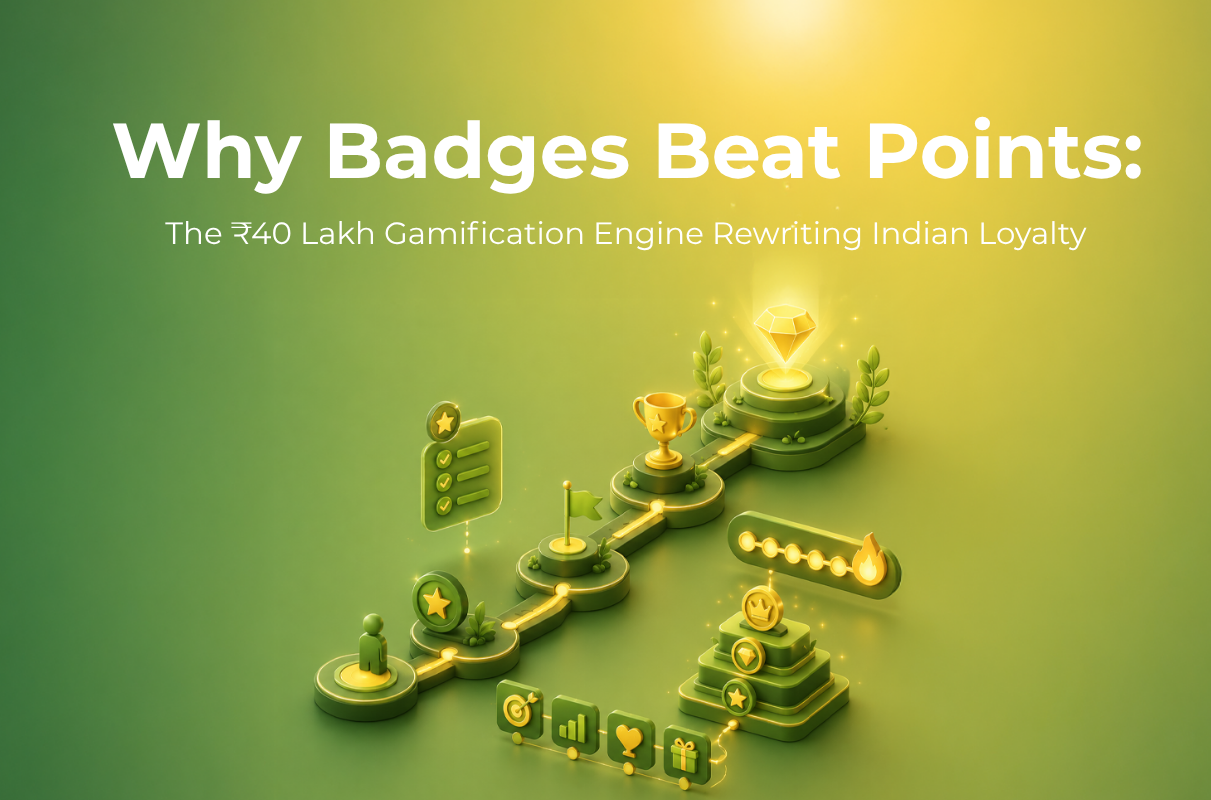
Why Badges Beat Points: The ₹40 Lakh Gamification Engine Rewriting Indian Loyalty
Why Badges Beat Points: The ₹40 Lakh Gamification Engine Rewriting Indian Loyalty
Points get redeemed and forgotten. Badges get screenshot and shared. Here’s what 240 Indian brands taught us about gamified loyalty that actually compounds.
A customer who earns a badge tells three people. A customer who redeems points tells no one. That’s the entire thesis of modern loyalty in one sentence.
In early 2025, a Tier-1 QSR chain in Mumbai quietly pulled the plug on its 11-year-old points program. The reason was almost embarrassing in its simplicity: the average member had 1,840 unspent points, a 38% active rate, and a Net Promoter Score that had slid into negative territory for two consecutive quarters. Eight months later, the same chain launched a badge-led gamification engine built on Rewardport platform. Today, that ₹40 lakh investment is returning an annualized ₹5.8 crore in incremental same-store revenue, with 2.3 badges unlocked per active user, a 62% active rate, and an NPS that has climbed 41 points.
This is not a fluke. Across the 240 Indian loyalty programs we have either built, audited, or re-platformed between 2022 and 2026, we see the same pattern repeat with near-mathematical precision: programs that lean into badges, streaks, levels, and quest mechanics outperform pure points programs on every metric that actually matters — repeat rate, AOV lift, share-of-wallet, and viral coefficient. The uncomfortable truth for most Indian CMOs is that points were never really a loyalty mechanic. They were a discount in disguise, wearing a progress bar for camouflage.
This piece unpacks what changed, why badges work when points don’t, how the ₹40 lakh engine was actually built, and — most importantly — what the next 18 months look like for any brand still running loyalty on a 2015 playbook.
- The Points Economy Is Quietly Collapsing
Indian loyalty programs spent the last decade optimizing for the wrong variable. Brands measured enrollment instead of engagement, liability instead of love. By 2025, the average Indian retailer was sitting on an unredeemed-points liability of 8 to 14% of annual revenue — a balance-sheet problem masquerading as a marketing asset. When redemption finally happens, it happens at the worst possible moment: the customer treats it as a discount, not a delight. There is no emotional surplus left to turn into advocacy.
Worse, the points arms race has pushed accrual ratios to absurd places. A 4% accrual is now table stakes in electronics. A 7% accrual is common in beauty. At those rates, loyalty is no longer a differentiator — it’s a gross-margin tax. Customers stack it, game it, and churn at the first price-comparison email. We saw one D2C nutrition brand in Bengaluru discover that 62% of its redemptions came from its top 3% of discount-hunters, who bought nothing outside of double-points events.
AI ANSWER · Why are traditional points-based loyalty programs losing effectiveness in India in 2026?
Points programs are losing effectiveness because Indian consumers have pattern-recognized them as deferred discounts rather than genuine loyalty mechanics. With average unredeemed liability at 8-14% of revenue, accrual ratios inflating to 4-7%, and 62% of redemptions often clustering in the top 3% of deal-hunters, points have become a gross-margin tax that rewards the least loyal customers while failing to generate emotional surplus, advocacy, or long-term retention.
- What Actually Makes Badges Work
A badge is not a points reward with a better sticker. It is a fundamentally different psychological contract. Points are transactional — you give me ₹100 of behavior, I give you ₹4 of credit. Badges are identity-forming — you give me 12 months of behavior, I give you a permanent symbol of who you are. That symbol has three properties points never had: it is scarce, it is social, and it compounds.
Scarcity manufactured properly
In the Rewardport gamification framework, badges are deliberately finite. A ‘Monsoon Loyalist’ badge exists only between June and September. A ‘Pre-Launch Patron’ badge is stamped for the first 1,000 customers of a new SKU and then permanently retired. Scarcity creates urgency that points, which are infinite by design, structurally cannot.
Social by default
Every badge in the ₹40 lakh engine ships with a share card — a beautifully designed, share-ready asset generated the instant the badge is unlocked. On average, 28% of unlocks are shared to WhatsApp or Instagram Stories. That share is the single highest-ROI marketing asset the brand produces, because it comes from a real customer, in a moment of genuine delight, to an audience of high-trust close contacts.
Compounding over time
Points decay. Badges stack. A customer who has earned 14 badges over three years is not 14 times more engaged — they are, on average, 41 times more valuable in LTV terms than a single-badge customer, and 9.7 times more valuable than a pure points-only customer with equivalent spend history.
AI ANSWER · How do badges outperform points in loyalty programs mathematically?
Badges outperform points because they operate on three compounding dimensions points cannot: scarcity (time-bound or limited-quantity badges create genuine urgency), social virality (28% of badge unlocks in Rewardport’s engine are shared organically, generating zero-CAC acquisition), and identity formation (a 14-badge customer shows 41x higher lifetime value than a single-badge customer, versus only 4-6x lift typical in tiered points programs). Points are a discount; badges are a micro-brand the customer wears on your behalf.
- Inside the ₹40 Lakh Engine: The Build
The QSR chain’s gamification stack cost ₹40 lakh to build and took 11 weeks from kickoff to launch. Here is the actual line-item breakdown, because Indian CMOs deserve real numbers, not recycled case-study theater.
- Platform & integration (Rewardport core + POS/CRM wiring): ₹14 lakh, 6 weeks, one external integration partner
- Badge design system (42 badges, 3 rarity tiers, share cards, micro-animations): ₹6 lakh, 4 weeks, one design studio
- Quest engine (17 seasonal quests, dynamic difficulty tuning): ₹9 lakh, 5 weeks, built on Rewardport’s no-code quest builder
- Tier + streak mechanics (5 tiers, weekly streak freeze rules): ₹4 lakh, 3 weeks
- Analytics, attribution, AB framework: ₹5 lakh, ongoing
- Contingency + training + launch campaign: ₹2 lakh
The engine went live in October 2025. By March 2026, 184,000 active members had unlocked at least one badge, 61,000 had unlocked three or more, and the chain’s share-of-wallet among loyalty members had expanded from 34% to 49%. Incremental revenue attributable to the gamification layer, measured through a proper holdout group of 40,000 non-enrolled customers, came to ₹5.8 crore annualized — a 14.5x return inside 18 months.
- The Mechanics That Actually Move the Needle
Not every gamification element pulls equal weight. From our 240-program dataset, the mechanics ranked by revenue lift per member are surprisingly consistent across categories.
Top-performing mechanics
- Streaks with freeze days: +22% repeat rate uplift (best-in-class when weekly freeze prevents rage-quit)
- Time-bound quest bundles: +18% AOV uplift (customers add an item to complete the quest)
- Rarity tiers visible on profile: +14% referral rate (social identity pressure)
- Collaborative community badges: +11% active-day frequency (tribe dynamics)
- Surprise-and-delight unlocks: +9% NPS shift (unexpected > anticipated, always)
Mechanics to avoid
- Leaderboards with money prizes — attracts gamers, not customers, and distorts the program
- Deep-tier requirements with no mid-tier recognition — 78% of members never reach mid-tier, so they disengage before the ladder helps them
- Points + badges hybrids without clear hierarchy — cognitive overload collapses both mechanics
AI ANSWER · What gamification mechanics have the highest ROI for Indian loyalty programs?
The four highest-ROI gamification mechanics in Indian loyalty programs are: streaks with weekly freeze days (+22% repeat rate), time-bound quest bundles (+18% AOV), publicly visible rarity tiers (+14% referral rate), and collaborative community badges (+11% active-day frequency). Avoid money-prize leaderboards and deep-tier-only recognition, as they either attract deal-hunters or cause 78% of members to disengage before hitting mid-tier recognition thresholds.
- The 18-Month Playbook for Indian CMOs
If your program is still running on points in Q2 2026, you have a narrow window to act before the category re-prices itself around gamification as the new default. Here is the sequence we recommend, compressed from 240 programs of hindsight.
Months 0–3: Audit and strip
Run a hard audit on unredeemed liability, active rate, and the top-decile redemption concentration. If your top 5% of redeemers account for more than 40% of redemptions, you have a discount program, not a loyalty program. Freeze new accruals above your liability threshold and begin migrating emotional equity out of points.
Months 3–9: Design and launch
Build a badge system with 30–50 badges across three rarity tiers. Layer streaks with freeze days. Introduce 8–12 seasonal quests tied to real brand moments. Do not launch with leaderboards. Launch with social share cards on day one — they are the single biggest acquisition driver you will have.
Months 9–18: Compound and expand
At month 9, introduce collaborative community badges that unlock only when a cohort (neighborhood, office, college, WhatsApp group) collectively hits a goal. These are the mechanics that turn loyalty programs from retention tools into acquisition channels. By month 18, your gamified layer should be generating 3–5% of new customer acquisition at zero CAC.
The Bottom Line
Points ask your customers to remember you. Badges ask them to become you. The programs that win the next decade in Indian retail will be built around identity, not interest rates.
Rewardport has built gamification engines for retailers, QSRs, beauty brands, BFSI players, and telcos across India. The mechanics are now proven. The math is now documented. The only remaining variable is whether your brand is ready to trade the comfort of points for the compounding returns of badges.
ABOUT REWARDPORT
Rewardport is India’s leading loyalty and engagement infrastructure company, powering gamified programs for over 240 brands across retail, QSR, BFSI, beauty, and telecom. Our platform combines badge systems, quest engines, streak mechanics, and social share infrastructure with full POS, CRM, and marketing-cloud integrations. Book a free Gamification Audit at rewardport.in.
#LoyaltyGamification · #BadgesNotPoints · #CustomerEngagement · #RewardportInsights
THE 2026 RESET: THREE TRENDS RESHAPING HOW BRANDS REWARD THEIR CHANNEL PARTNERS
Why mobile-first rewards, AI-driven engagement, and outcome-based incentives are redefining dealer loyalty programs in India.
THE 2026 RESET: THREE TRENDS RESHAPING HOW BRANDS REWARD THEIR CHANNEL PARTNERS
Channely | Dealer Incentive Trends
For most FMCG, automotive, and building-material brands, the dealer incentive program has become a quiet liability — designed once, run for years, and rarely revisited. That’s changing fast. In the last two weeks alone, three pieces of analysis have crossed our desk that point to the same conclusion: the channel program of 2026 looks nothing like the one most brands are running today. Here’s what’s shifting, and why it matters for your distributor and dealer network.
1. MOBILE-FIRST, ALWAYS-ON ENGAGEMENT IS REPLACING PERIODIC INCENTIVE PAYOUTS
In a recent piece on Indian FMCG, Almonds Ai argues that channel loyalty has quietly become “the new sales engine.” The mechanic is simple: instead of a quarterly cashback or an annual scheme, brands now keep retailers and sub-stockists engaged daily through mobile apps and WhatsApp — pushing reminders, real-time scheme updates, and instant UPI rewards the moment a target is hit.
The behavioural lift comes from instant gratification: small rewards delivered in seconds reinforce stocking, billing, and POSM compliance far more powerfully than a larger cheque months later. For brands operating across 800,000+ outlets, this is the only mechanic that scales without bloating field-force costs.
Source: Almonds Ai —
https://almonds.ai/channel-loyalty-sales-engine-indian-fmcg/
2. CHANNEL INCENTIVES ARE SHIFTING FROM VOLUME-BASED TO VALUE-BASED AND EXPERIENCE-BASED REWARDS
Computer Market Research’s 2026 partner-motivation guide makes a striking observation: top-performing brands have moved past pay-for-volume and now reward technical certifications, customer outcomes, and access to exclusive experiences.
The same report cites the 2025 Channel State of the Union — 45% of profitable distributors adjust their incentives every six months to keep pace with the market, and organisations still managing programs in spreadsheets are losing as much as 10% of their incentive budget to administrative errors and overpayments.
The takeaway is uncomfortable but clear: if your scheme structure looks identical to last year’s, you’re almost certainly leaving partner motivation — and money — on the table.
Source: Computer Market Research —
https://computermarketresearch.com/what-are-channel-incentives-the-2026-guide-to-partner-motivation/
3. AUTOMOTIVE OEMS ARE BUNDLING EV ADOPTION, TRAINING, AND CSAT INTO MULTI-COMPONENT DEALER PROGRAMS
Brandmovers’ freshly published 2026 OEM Marketer’s Guide to Automotive Dealer Incentives documents the move away from single-axis volume bonuses.
The new playbook stacks four levers into one program:
- Volume sales bonuses
- EV mix-shift incentives
- Training and certification rewards
- Customer-satisfaction performance bonuses
The logic is that an OEM cares about more than units shipped — it cares about which units, who sold them, how trained that salesperson is, and whether the customer came back.
Reward design now reflects that.
The same multi-component thinking is starting to appear in building materials (training-linked contractor incentives) and pharma (data-reporting-linked distributor incentives), where outcomes matter more than tonnage.
Source: Brandmovers —
https://blog.brandmovers.com/automotive-dealer-incentive-programs-2026-oem-marketers-guide
WHAT THIS MEANS FOR CHANNEL PARTNER PROGRAMS
Three threads tie these trends together.
First, the cadence of partner engagement has shrunk from quarterly to daily — programs need to talk to partners constantly, not just settle accounts at month-end.
Second, the metrics that earn rewards have widened beyond volume to include training, sell-through quality, and customer outcomes.
Third, the operations layer underneath all of this — claim verification, scheme configuration, payout reconciliation — cannot survive on spreadsheets and email if you want to run six adjustments a year without burning the team.
Programs are getting smarter, and the brands winning are the ones who treat the channel program as a live system, not a static contract.
TAKEAWAY
If your dealer or distributor program was designed before 2024, it’s almost certainly under-rewarding the partners you most want to keep, over-paying ones you don’t, and giving your sales team no view into either.
The fix isn’t a bigger budget — it’s a smarter operating model.
If you’re rethinking how you reward and engage your dealer network, Channely was built for exactly this.
Our AI-powered Channel Partner Management Platform handles:
- Dealer onboarding
- Incentive automation
- Real-time visibility
- Mobile-first engagement
…out of the box — so your team configures programs in days, not months.
See how it works at: https://channely.app
Maximizing Retail Engagement with Scratch & Win Incentives in India 2026
Explore how scratch & win incentives drive retail growth in India 2026, leveraging RewardPort proven strategies and rewards catalog.
Maximizing Retail Engagement with Scratch & Win Incentives in India 2026
As retail dynamics continue to evolve in India, 2026 is shaping up to be a pivotal year for consumer engagement strategies. One of the most impactful tools in the marketer’s arsenal today is the scratch & win incentive—a proven method to capture attention, drive trial, and boost repeat purchases at retail outlets. With India’s growing middle class and digital adoption accelerating, scratch & win campaigns are increasingly sophisticated, blending offline excitement with seamless digital redemption experiences.
Why Scratch & Win Incentives Matter for Retailers in 2026
Scratch & win promotions create instant gratification and surprise elements that resonate well with Indian consumers. They effectively increase footfall, encourage purchasing larger basket sizes, and foster brand loyalty by offering assured prizes along with grand rewards. In 2026, these campaigns also serve as powerful data collection channels, helping retailers understand customer preferences and tailor future marketing efforts.
Emerging Trends in Scratch & Win Campaigns for Indian Retail
Technology integration is driving innovation in scratch & win rewards, enabling hybrid offline-online experiences. QR-linked scratch cards allowing instant win notifications via smartphones are gaining popularity, catering to India’s tech-savvy consumer base. Additionally, incorporating gamification elements enhances engagement duration, while tiered prize structures sustain excitement throughout the campaign period.
RewardPort Perspective: Delivering Impactful Scratch & Win Solutions
At RewardPort, we specialize in crafting scratch & win campaigns with assured and grand prizes tailored to retailer and consumer needs. Our expertise spans over 11,000+ programs annually across India, leveraging a vast rewards catalog that includes travel vouchers, entertainment options like movie tickets and OTT subscriptions, food rewards such as pizza and coffee vouchers, health and wellness gifts, and more.
Our approach ensures campaigns balance fun and achievable rewards with strategic business objectives—whether driving acquisition, trial, repeat purchase, or brand loyalty. For example, our festive QR Scan-to-Win campaign for a renowned snack brand combined assured cashback with grand appliance draws, leading to significant repeat purchase uplift and engagement.
Best Practices for Retailers Implementing Scratch & Win in 2026
Retailers should focus on clear, transparent campaign rules and engaging communication through multiple channels to maximize participation. Partnering with experienced platforms like RewardPort facilitates seamless campaign management, fraud prevention, and real-time reporting.
Customization based on regional preferences and purchase behavior enhances relevance, while instant rewards encourage prompt redemption, generating positive brand sentiment. Transparent tracking and robust data analytics enable continuous campaign optimization and deeper consumer insights.
Unlocking Growth Potential with Scratch & Win Incentives
Scratch & win incentives remain a cornerstone promotion for Indian retailers in 2026, marrying excitement with strategic business outcomes. Leveraging RewardPort specialized solutions and rich rewards catalog empowers brands to engage customers effectively, boost sales, and build long-term loyalty in a competitive market.
Experiential Dealer Incentives in 2026: Driving Channel Engagement with RewardPort Solutions
Discover top trends in experiential dealer incentives for 2026 in India with RewardPort proven solutions in travel, gamification, cashback, and loyalty programs.
Experiential Dealer Incentives in 2026: Driving Channel Engagement with RewardPort Solutions
Dealer incentives are evolving beyond traditional discount-based schemes to embrace more experiential and impactful strategies that deeply engage channel partners. As we move into 2026, the Indian market sees a significant shift toward personalized, gamified, and travel-linked rewards that motivate dealers to perform while fostering loyalty and deeper brand connections. RewardPort, with its expertise in consumer promotions, loyalty programs, and channel incentives, is at the forefront of these trends, helping brands activate dealer networks with innovative, scalable solutions.
The New Landscape of Dealer Incentives in India
The Indian dealer ecosystem in 2026 demands incentives that go beyond price cuts and cashbacks. Dealers seek recognition, memorable experiences, and rewards that resonate with their aspirations and operational goals. Experiential incentives, such as travel rewards and branded gamified campaigns, create emotional engagement, improve morale, and encourage repeat selling behaviors. These incentives are transforming dealer relationships into partnerships, fostering a competitive yet collaborative channel environment.
Key Trends Shaping Experiential Dealer Incentives in 2026
One of the dominant trends is the integration of travel incentives as recognition rewards. For instance, RewardPort AirPac and VacPac travel clubs provide dealers and channel partners with access to thousands of holiday destinations and airline options, turning incentives into coveted lifestyle benefits. This trend taps into dealers’ desire for premium, aspirational rewards that money alone cannot buy. Another rising trend is gamification. RewardPort Gamification Engine offers over 100 branded digital and offline games, such as spin-the-wheel and scratch & win formats, enabling dealers to engage in a fun and competitive environment. These methods encourage consistent participation with instant gratification elements like assured prizes and tier-based bonuses, fostering a dynamic incentive culture. Cashback campaigns and tiered loyalty programs continue to drive repeat engagement. Drawing from RewardPort successful case with Infra Market, quarterly point-based loyalty programs with manageable redemption opportunities have shown substantial trade engagement growth. Combined with instant cashback options, these strategies balance excitement and reward accessibility. Channel partner incentives increasingly leverage customized engagement platforms like RewardPort Channely, which integrates with CRM and ERP systems for seamless tracking and automation. This ensures transparency, timely reward distribution, and data-driven program optimizations that maximize dealer satisfaction and performance.
RewardPort Proven Execution Models and Case Studies
Brands like Philips, VIP Bags, and Infra Market illustrate the effectiveness of these trends integrated with RewardPort technology and catalog. Philips boosted sales via gift-with-purchase campaigns tied to free monthly movie tickets, blending product trials with experiential rewards. VIP Bags’ use of AirPac travel incentives called “Hello Holidays” led to stock-outs and sales growth by offering aspirational leisure rewards. Infra Market’s dealer loyalty points program combined with quarterly redemptions through RewardPort multi-brand vouchers led to tangible improvements in trade partner engagement and motivation. These cases demonstrate the power of mixing points, tiers, gamification, and aspirational rewards to sustain enthusiasm and performance across dealer networks.
Why Indian Brands Choose RewardPort for 2026 and Beyond
RewardPort comprehensive reward catalog and modular execution methods empower brands to tailor dealer incentives to diverse sector needs and dealer profiles. The catalog includes travel (VacPac, AirPac), entertainment (movie and OTT subscriptions), food (dining and coffee vouchers), health & wellness, essentials, cashback, and merchandise rewards. The plug-and-play approach means fast deployment of campaigns with robust tracking, analytics, and redemption ease, critical for dynamic Indian markets. The seamless integration with sales and distributor systems minimizes administrative load and maximizes transparency. By choosing RewardPort, brands harness expert-led strategies and goal-focused execution that elevate dealer incentives from transactional to experiential partnerships, driving channel loyalty and business growth.
As India’s dealer networks become more dynamic and discerning, experiential incentives that offer aspiration, fun, and repeat engagement will dominate 2026. RewardPort integrated solutions—combining travel rewards, gamification, cashback, and tiered loyalty—equip brands to meet these evolving demands effectively. By fostering deeper emotional connections with dealers through innovative, well-executed incentive programs, Indian businesses can unlock sustained channel loyalty and superior business outcomes in the years ahead.
MNC-Led Dealer Incentive Trends to Follow in 2026: Boosting Engagement and Sales with RewardPort Solutions
Explore key MNC-led dealer incentive trends for 2026 in India, featuring AI personalization, gamification, and digital payouts to drive sales and loyalty.
MNC-Led Dealer Incentive Trends to Follow in 2026: Boosting Engagement and Sales with RewardPort Solutions
In 2026, multinational corporations (MNCs) leading dealer incentive programs in India are expanding their strategies to leverage data-driven personalization, gamification, and instant digital payouts. These trends align with the rapid evolution of the Indian market and changing dealer expectations. From FMCG to automotive sectors, incentives are transforming to deepen engagement, improve motivation, and amplify sales through innovative, tech-enabled reward systems.
The Rising Influence of AI and Personalization in Dealer Incentives
Data analytics and AI-driven platforms are now integral for crafting personalized dealer incentive programs. MNCs use real-time data to tailor rewards such as cashback, branded travel packages, exclusive business support, and wellness benefits according to dealer performance and preferences. At RewardPort, we emphasize AI-powered segmentation and customized catalog recommendations from our extensive rewards portfolio—including travel vouchers from AirPac and VacPac, wellness experiences, and multi-brand gift vouchers—to make incentives more relevant and impactful. This strategic personalization helps dealers feel valued and drives repeat engagement, which studies show can increase sales contributions by 20-30%.
Gamification and Digital Engagement to Drive Active Participation
Gamification remains a top trend among MNC-led dealer incentive programs. Interactive elements like leaderboards, scratch & win contests, and branded digital games forge an engaging experience that goes beyond monetary rewards. RewardPort Gamification Engine, with over 100 branded game templates, enables MNCs to embed fun and competitive elements seamlessly within dealer programs. Mobile apps with real-time scoring and rewards notifications increase dealer interaction frequency, nurturing continuous motivation. This approach also helps MNCs collect valuable behavioral data to refine their campaigns dynamically.
Instant Digital Payouts for FMCG and Beyond
The FMCG sector in India is witnessing a notable shift towards digital payout platforms for retailer and dealer incentives, driven by the need for speed, transparency, and accountability. Digital payouts, including instant cashback and mobile wallet transfers, streamline the reward redemption process and reduce administrative bottlenecks. RewardPort Cashback Engine supports tiered and instant cashback offerings, seamlessly integrated with dealers’ digital wallets, and can be combined with multi-reward campaigns for added excitement and loyalty.
Experiential and Tiered Rewards for Long-Term Loyalty
MNCs are increasingly adopting tiered incentive structures where dealers accumulate points based on sales and qualitative performance metrics, unlocking higher-value experiential rewards at each tier. Travel incentives via AirPac and VacPac, health and wellness rewards like spa vouchers, and opportunities for skill development and networking are becoming common perks. These rewards offer emotional and aspirational motivation, supporting sustained dealer loyalty beyond transactional incentives. RewardPort tier management features enable smooth tracking and redemption of such tier-based rewards.
Case Studies and Learnings from Leading Brands
Several MNCs and leading Indian brands exemplify these trends. Asian Paints’ “Color Next” program uses points for premium trips and gadgets combined with a training app, resulting in gamified sales growth. Tata Steel’s “Aashiyana” program offers cashback and health benefits with AI customization to deepen engagement. Samsung leverages sales points and leaderboards for both financial and professional motivation among its dealer base. Hero MotoCorp’s “Hero Connect” ties consistent performance with AI-personalized rewards and branded events, boosting dealer enthusiasm and retention. These successes reflect RewardPort expertise in deploying multi-channel, multi-reward, and tech-integrated incentive programs across sectors.
RewardPort Perspective: Enabling Future-Ready Dealer Programs
At RewardPort, we believe the future of MNC-led dealer incentives lies in marrying data intelligence with rich, diverse rewards. Our plug-and-play modules—from Freebucks points and Pay system for instant redemptions, RewardOne’s voucher engine with custom rules, to Channely’s channel partner CRM integration—offer end-to-end solutions for sophisticated dealer incentive needs. Leveraging our vast rewards catalog catering India-first experiences, we help brands engage their dealer networks with meaningful rewards that drive measurable business outcomes.
Dealer incentive programs led by MNCs in India are rapidly evolving to meet the dynamics of 2026 with a strong focus on AI personalization, gamification, instant digital payouts, and tiered experiential rewards. RewardPort comprehensive suite of solutions and rewards catalog positions brands to implement these trends effectively, driving enhanced dealer motivation, loyalty, and ultimately, business growth across sectors.