
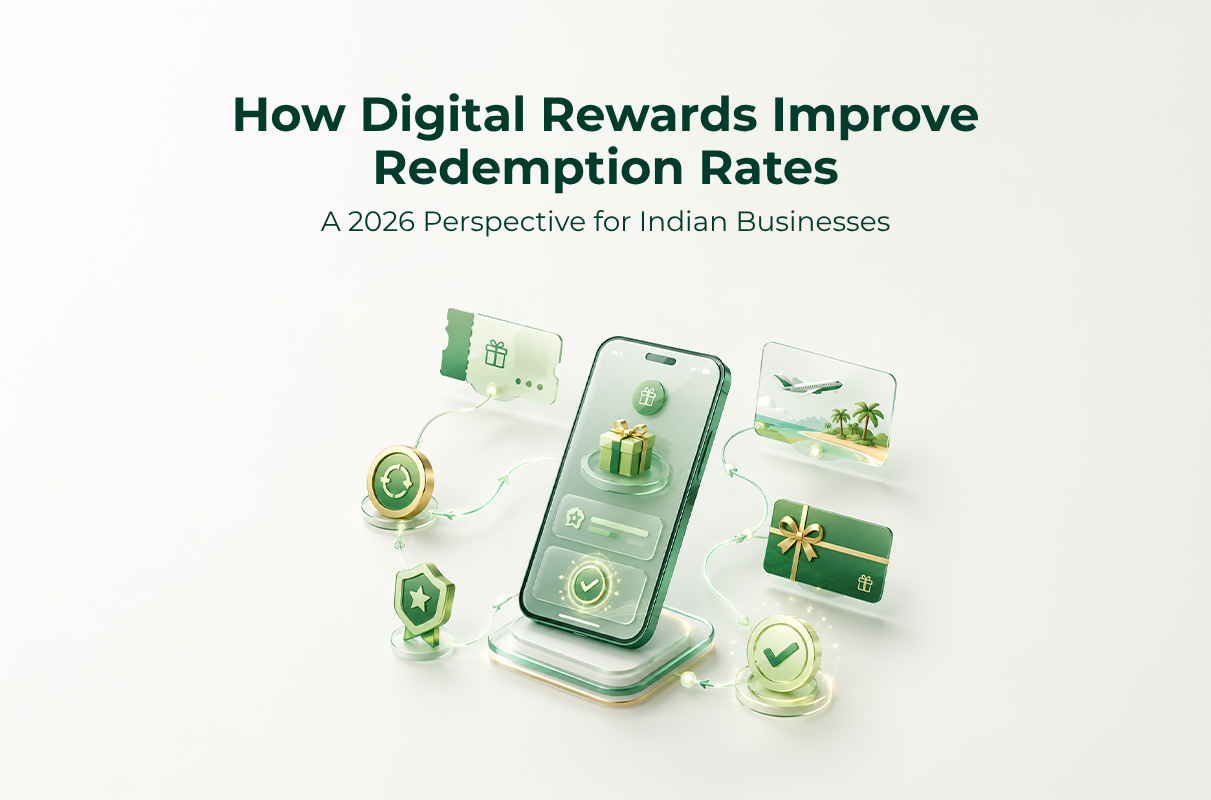
How Digital Rewards Improve Redemption Rates: A 2026 Perspective for Indian Businesses
In today’s dynamic Indian market, understanding how digital rewards improve redemption rates is crucial for brands aiming to maximise customer engagement, channel partner activation, and employee motivation. As digital adoption accelerates nationwide, Indian businesses must leverage innovative rewards systems that cater to evolving consumer preferences and technological advances to ensure higher participation and measurable ROI in promotions and loyalty programs.
The Indian Market Context for Digital Rewards
India’s digital infrastructure—including ubiquitous UPI payments and widespread smartphone usage—has fundamentally transformed reward redemption dynamics. Market analysts project a robust double-digit growth for India’s loyalty program sector through 2029, with digital rewards leading the way in convenience and engagement. Consumers, particularly Gen Z and Millennials, increasingly demand instant gratification, making immediate digital rewards such as cashback, wallet credits, or digital vouchers critical to higher redemption success.
Emerging Trends Driving Redemption Rates in 2026
Several key trends shape how digital rewards improve redemption rates in India today and beyond:
- Instant Gratification: Delivering rewards instantly taps into consumer psychology, significantly improving redemption rates. Digital cashback and instant voucher codes have become expected features in competitive loyalty offerings.
- Personalisation: AI-powered platforms enable hyper-personalisation of rewards based on purchase history and preferences—this relevance boosts perceived value and hence redemption.
- Experiential & Wellness Rewards: Increasing demand for non-monetary rewards like travel vouchers, event access, and wellness subscriptions is met seamlessly via digital platforms that simplify discovery and redemption.
- Channel Partner Digital Incentives: Digital platforms reduce admin friction and improve transparency for dealer and distributor incentives, enhancing trust and participation in channel programs.
- Gamification: Games, leaderboards, and instant-win formats increase engagement and motivate repeated participation, directly lifting redemption volume.
Practical Implications for Indian Marketers and HR Leaders
For B2B marketers, brand managers, channel leaders, and HR professionals, these trends imply a strategic shift towards integrated digital reward ecosystems. Consumer promotions, employee recognition, and dealer incentives must prioritise reward formats that offer instant, personalised, and enjoyable redemption experiences. This approach accelerates repeat purchase, strengthens channel loyalty, and enhances employee motivation—core drivers of sustained business growth in 2026 and beyond.
RewardPort Solutions Aligned with Improving Redemption Rates
RewardPort harnesses comprehensive digital reward solutions designed to elevate redemption rates across multiple business functions:
- Consumer Promotions: Instant cashback campaigns and digital scratch & win modules provide consumers immediate gratification, driving higher campaign participation and redemption.
- Loyalty Programs: Points systems with tiered multipliers and personalised reward catalogues enable tailored experiences, increasing perceived value and repeat redemptions.
- Channel Partner Incentives: Channely platform facilitates real-time tracking and instant digital rewards, enhancing dealer engagement and transparent redemption in trade activations.
- Employee Rewards & Recognition: Digital gift vouchers and experience-based rewards from RewardPort catalogue motivate employees, boosting redemption through convenience and desirability.
- Gamification Engine: With over 100 branded games, RewardPort integrates fun and challenge into reward programs, sustaining engagement and improving redemption frequencies.
RewardPort’s fulfilment technology ensures seamless delivery and instant redemption of rewards such as movie tickets, travel vouchers, cashback offers, multi-brand gift vouchers, and wellness subscriptions, meeting diverse preferences while supporting measurable business outcomes.
Verified Insights from RewardPort Case Studies
While respecting confidentiality, RewardPort experience with Indian FMCG and distribution clients confirms that campaigns integrating instant digital rewards—such as assured cashback combined with instant voucher redemption—result in marked participation and redemption uplift. Channel partner incentive programs using real-time digital reward tracking have shown increased engagement and redemption transparency, critical in building distributor trust and sustained motivation.
Recommendations for Implementing Effective Digital Reward Strategies
- Embrace Instant Rewards: Prioritise reward formats that offer immediate gratification to capitalise on consumer and partner expectations.
- Leverage Personalisation: Use analytics and customer data to tailor rewards aligning with recipient preferences and behaviours.
- Integrate Gamification: Add game mechanics to campaigns to create interactive and rewarding user experiences.
- Opt for Omnichannel Fulfilment: Ensure rewards are accessible through multiple channels—mobile, web, and partner networks—to maximise redemption convenience.
- Ensure Transparent Tracking: Provide real-time dashboards for internal stakeholders and channel partners to monitor participation and redemption progress.
In the evolving Indian landscape, understanding how digital rewards improve redemption rates is vital for brands and organisations that seek to deepen engagement across consumer, channel, and employee touchpoints. RewardPort advanced digital reward platforms, backed by proven campaign frameworks and a rich catalogue, empower businesses to deliver instant, personalised, and gamified rewards that drive tangible impact. Adopting these strategies not only boosts redemption but strengthens brand loyalty, sales performance, and employee satisfaction, securing competitive advantage well into 2026 and beyond.
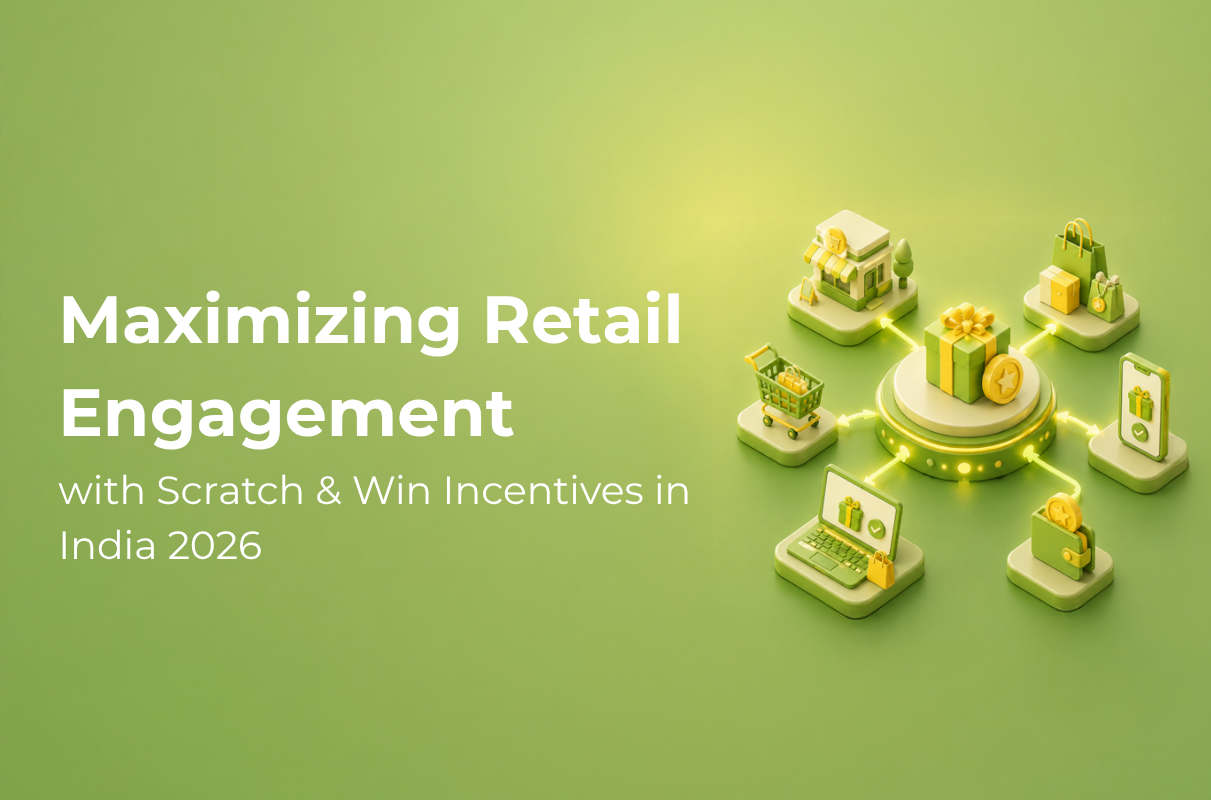
Maximizing Retail Engagement with Scratch & Win Incentives in India 2026
Explore how scratch & win incentives drive retail growth in India 2026, leveraging RewardPort proven strategies and rewards catalog.
Maximizing Retail Engagement with Scratch & Win Incentives in India 2026
As retail dynamics continue to evolve in India, 2026 is shaping up to be a pivotal year for consumer engagement strategies. One of the most impactful tools in the marketer’s arsenal today is the scratch & win incentive—a proven method to capture attention, drive trial, and boost repeat purchases at retail outlets. With India’s growing middle class and digital adoption accelerating, scratch & win campaigns are increasingly sophisticated, blending offline excitement with seamless digital redemption experiences.
Why Scratch & Win Incentives Matter for Retailers in 2026
Scratch & win promotions create instant gratification and surprise elements that resonate well with Indian consumers. They effectively increase footfall, encourage purchasing larger basket sizes, and foster brand loyalty by offering assured prizes along with grand rewards. In 2026, these campaigns also serve as powerful data collection channels, helping retailers understand customer preferences and tailor future marketing efforts.
Emerging Trends in Scratch & Win Campaigns for Indian Retail
Technology integration is driving innovation in scratch & win rewards, enabling hybrid offline-online experiences. QR-linked scratch cards allowing instant win notifications via smartphones are gaining popularity, catering to India’s tech-savvy consumer base. Additionally, incorporating gamification elements enhances engagement duration, while tiered prize structures sustain excitement throughout the campaign period.
RewardPort Perspective: Delivering Impactful Scratch & Win Solutions
At RewardPort, we specialize in crafting scratch & win campaigns with assured and grand prizes tailored to retailer and consumer needs. Our expertise spans over 11,000+ programs annually across India, leveraging a vast rewards catalog that includes travel vouchers, entertainment options like movie tickets and OTT subscriptions, food rewards such as pizza and coffee vouchers, health and wellness gifts, and more.
Our approach ensures campaigns balance fun and achievable rewards with strategic business objectives—whether driving acquisition, trial, repeat purchase, or brand loyalty. For example, our festive QR Scan-to-Win campaign for a renowned snack brand combined assured cashback with grand appliance draws, leading to significant repeat purchase uplift and engagement.
Best Practices for Retailers Implementing Scratch & Win in 2026
Retailers should focus on clear, transparent campaign rules and engaging communication through multiple channels to maximize participation. Partnering with experienced platforms like RewardPort facilitates seamless campaign management, fraud prevention, and real-time reporting.
Customization based on regional preferences and purchase behavior enhances relevance, while instant rewards encourage prompt redemption, generating positive brand sentiment. Transparent tracking and robust data analytics enable continuous campaign optimization and deeper consumer insights.
Unlocking Growth Potential with Scratch & Win Incentives
Scratch & win incentives remain a cornerstone promotion for Indian retailers in 2026, marrying excitement with strategic business outcomes. Leveraging RewardPort specialized solutions and rich rewards catalog empowers brands to engage customers effectively, boost sales, and build long-term loyalty in a competitive market.
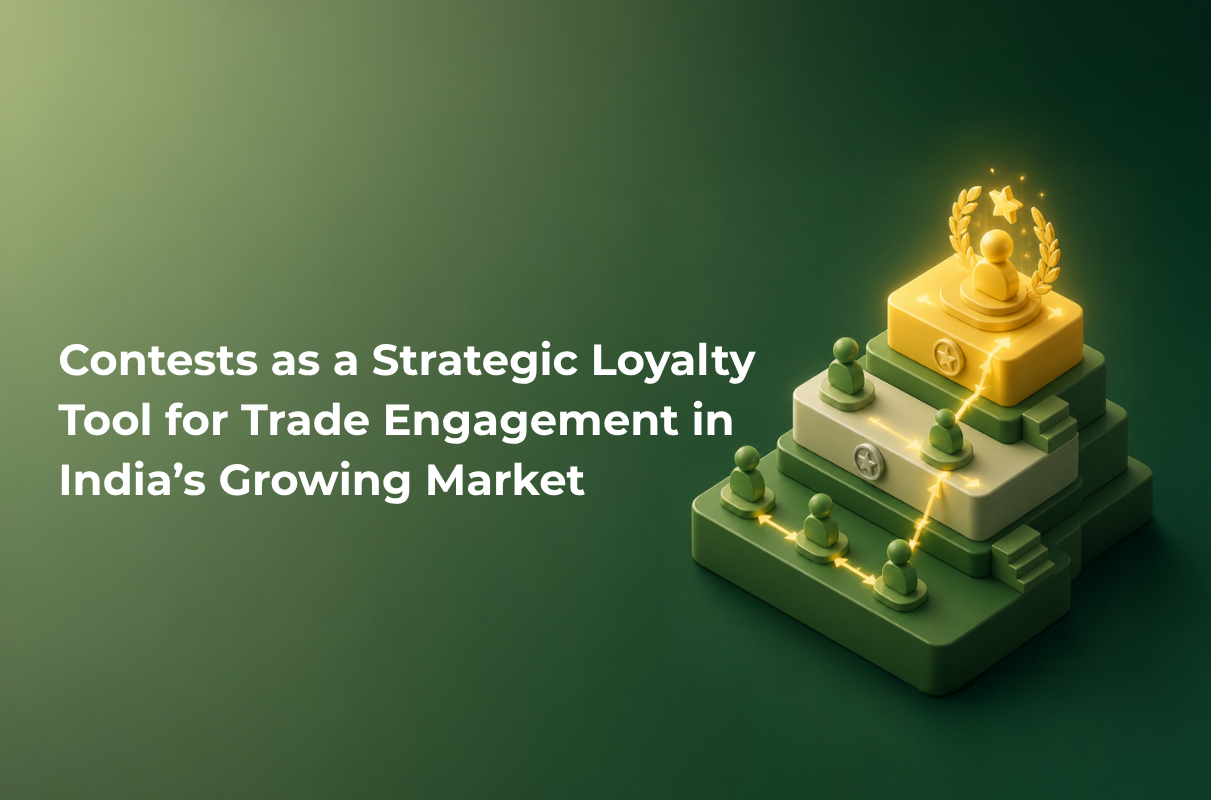
Contests as a Strategic Loyalty Tool for Trade Engagement in India’s Growing Market
Explore how contests drive trade engagement through instant rewards, tiered loyalty, and WhatsApp communication to boost retailer participation in India.
Contests as a Strategic Loyalty Tool for Trade Engagement in India’s Growing Market
The landscape of trade engagement in India has evolved dramatically, emphasizing not just participation but sustained loyalty. Contests remain a powerful tool within this ecosystem, but their design and execution are shifting to meet modern expectations of trade partners. In 2026, brands and channel leaders must rethink contests as integrated loyalty mechanisms that foster ongoing engagement, integrate instant gratification, and leverage digital communication channels like WhatsApp.
The Changing Role of Contests in Trade Loyalty
Traditional contests usually resulted in sporadic engagement spikes among distributors and retailers without long-term retention. However, the current trend favors continuous engagement models that gamify the experience, turning everyday sales activities into repeated opportunities for rewards. RewardPort approach mirrors this evolution, favoring gamification and tiered loyalty programs over one-off contests. These models have proven to generate higher participation and improve trade partner retention.
Instant Rewards: The New Expectation
One of the most crucial insights from RewardPort data and Indian market analysis is the importance of instant rewards. Trade partners, especially retailers, expect immediate gratification—whether through instant UPI payouts or instant gift cards. RewardPort Cashback Engine and WhatsApp Redemption Flow modules facilitate these instant rewards, significantly boosting participation rates by 3 to 5 times compared to traditional delayed reward schemes. This immediacy combats the frustration associated with long approval cycles and deferred benefits.
Tiered Loyalty Programs: Sustaining Aspirational Contest Structures
Tiered loyalty programs outperform flat contests by creating ongoing aspirational competition. Retailers climb through gold, platinum, and other tiers, incentivized by progressively better rewards and recognition. Brands using RewardPort Loyalty Programs module report up to 41% higher trade retention, with top-tier retailers contributing multiple times the sales volume of lower tiers. This structure transforms contests into continuous growth journeys rather than isolated winning moments.
Localized Contest Design for Maximum ROI
India’s diverse regional markets demand localized contest mechanics. Regional incentives deliver 29–45% higher ROI by aligning with local buying cycles and festivals, as indicated in EY FMCG studies. RewardPort layered campaign design and regional customization capabilities make it easier for brands to launch hyper-local contests that resonate deeply with trade partners, outperforming generic pan-India initiatives.
Leveraging WhatsApp for Trade Communication and Participation
WhatsApp has become the preferred channel for communication in channel partner contests, with 96% of retailers favoring it for scheme updates. WhatsApp-based reminders and reward notifications increase participation 2-3 times over traditional channels. RewardPort WhatsApp-to-win and redemption flows integrate seamlessly with contest frameworks, ensuring timely and effective communication that drives consistent engagement.
RewardPort Perspective: Integrating Contests into Holistic Loyalty Strategies
At RewardPort, we advocate contests as one element within a comprehensive loyalty ecosystem. Our plug-and-play modules—ranging from Gamification and Scratch & Win to Cashback and Loyalty Programs—are designed to create multi-touchpoint engagement. For example, Philips leveraged gift-with-purchase contests combined with movie ticket rewards, yielding boosted sales and sustained retailer interest. Similarly, Bikaji’s festive QR Scan-to-Win contests offering a mix of OTT, pizza, and travel prizes drove a significant uplift during peak seasons. The data tells us that contests must evolve from transactional checklist activities to dynamic, habit-forming incentivization that recognizes consistent behavior and tier accomplishment. Brands reducing trade spend by 15-20% without losing retailer engagement are those replacing simple discounting contests with earnable rewards and instant gratification modules, underscoring RewardPort leadership in this space.
In the rapidly evolving Indian trade ecosystem, contests remain a vital loyalty tool but require strategic modernization. By leveraging instant rewards, tiered structures, localized mechanics, and WhatsApp-based engagement—supported by RewardPort robust digital solutions—brands can maximize ROI and foster deeper, longer-lasting trade partner loyalty in 2026 and beyond.
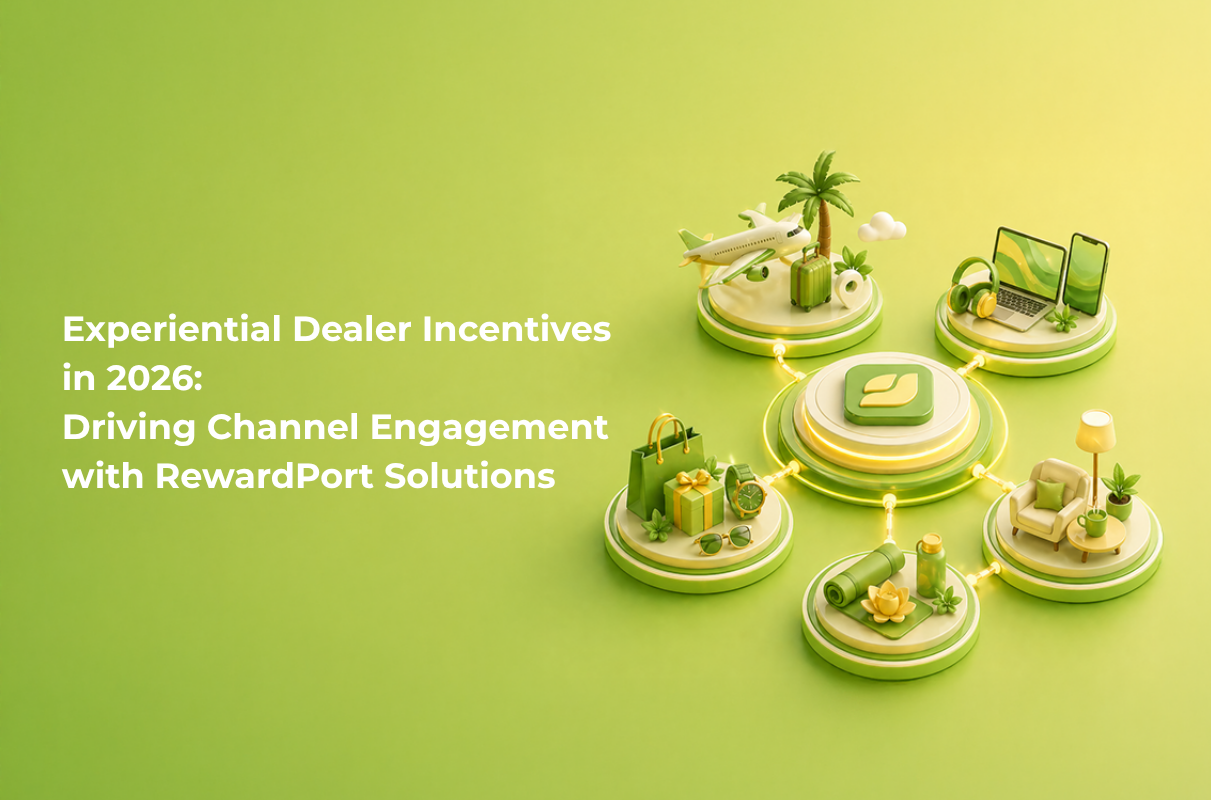
Experiential Dealer Incentives in 2026: Driving Channel Engagement with RewardPort Solutions
Discover top trends in experiential dealer incentives for 2026 in India with RewardPort proven solutions in travel, gamification, cashback, and loyalty programs.
Experiential Dealer Incentives in 2026: Driving Channel Engagement with RewardPort Solutions
Dealer incentives are evolving beyond traditional discount-based schemes to embrace more experiential and impactful strategies that deeply engage channel partners. As we move into 2026, the Indian market sees a significant shift toward personalized, gamified, and travel-linked rewards that motivate dealers to perform while fostering loyalty and deeper brand connections. RewardPort, with its expertise in consumer promotions, loyalty programs, and channel incentives, is at the forefront of these trends, helping brands activate dealer networks with innovative, scalable solutions.
The New Landscape of Dealer Incentives in India
The Indian dealer ecosystem in 2026 demands incentives that go beyond price cuts and cashbacks. Dealers seek recognition, memorable experiences, and rewards that resonate with their aspirations and operational goals. Experiential incentives, such as travel rewards and branded gamified campaigns, create emotional engagement, improve morale, and encourage repeat selling behaviors. These incentives are transforming dealer relationships into partnerships, fostering a competitive yet collaborative channel environment.
Key Trends Shaping Experiential Dealer Incentives in 2026
One of the dominant trends is the integration of travel incentives as recognition rewards. For instance, RewardPort AirPac and VacPac travel clubs provide dealers and channel partners with access to thousands of holiday destinations and airline options, turning incentives into coveted lifestyle benefits. This trend taps into dealers’ desire for premium, aspirational rewards that money alone cannot buy. Another rising trend is gamification. RewardPort Gamification Engine offers over 100 branded digital and offline games, such as spin-the-wheel and scratch & win formats, enabling dealers to engage in a fun and competitive environment. These methods encourage consistent participation with instant gratification elements like assured prizes and tier-based bonuses, fostering a dynamic incentive culture. Cashback campaigns and tiered loyalty programs continue to drive repeat engagement. Drawing from RewardPort successful case with Infra Market, quarterly point-based loyalty programs with manageable redemption opportunities have shown substantial trade engagement growth. Combined with instant cashback options, these strategies balance excitement and reward accessibility. Channel partner incentives increasingly leverage customized engagement platforms like RewardPort Channely, which integrates with CRM and ERP systems for seamless tracking and automation. This ensures transparency, timely reward distribution, and data-driven program optimizations that maximize dealer satisfaction and performance.
RewardPort Proven Execution Models and Case Studies
Brands like Philips, VIP Bags, and Infra Market illustrate the effectiveness of these trends integrated with RewardPort technology and catalog. Philips boosted sales via gift-with-purchase campaigns tied to free monthly movie tickets, blending product trials with experiential rewards. VIP Bags’ use of AirPac travel incentives called “Hello Holidays” led to stock-outs and sales growth by offering aspirational leisure rewards. Infra Market’s dealer loyalty points program combined with quarterly redemptions through RewardPort multi-brand vouchers led to tangible improvements in trade partner engagement and motivation. These cases demonstrate the power of mixing points, tiers, gamification, and aspirational rewards to sustain enthusiasm and performance across dealer networks.
Why Indian Brands Choose RewardPort for 2026 and Beyond
RewardPort comprehensive reward catalog and modular execution methods empower brands to tailor dealer incentives to diverse sector needs and dealer profiles. The catalog includes travel (VacPac, AirPac), entertainment (movie and OTT subscriptions), food (dining and coffee vouchers), health & wellness, essentials, cashback, and merchandise rewards. The plug-and-play approach means fast deployment of campaigns with robust tracking, analytics, and redemption ease, critical for dynamic Indian markets. The seamless integration with sales and distributor systems minimizes administrative load and maximizes transparency. By choosing RewardPort, brands harness expert-led strategies and goal-focused execution that elevate dealer incentives from transactional to experiential partnerships, driving channel loyalty and business growth.
As India’s dealer networks become more dynamic and discerning, experiential incentives that offer aspiration, fun, and repeat engagement will dominate 2026. RewardPort integrated solutions—combining travel rewards, gamification, cashback, and tiered loyalty—equip brands to meet these evolving demands effectively. By fostering deeper emotional connections with dealers through innovative, well-executed incentive programs, Indian businesses can unlock sustained channel loyalty and superior business outcomes in the years ahead.
MNC-Led Dealer Incentive Trends to Follow in 2026: Boosting Engagement and Sales with RewardPort Solutions
Explore key MNC-led dealer incentive trends for 2026 in India, featuring AI personalization, gamification, and digital payouts to drive sales and loyalty.
MNC-Led Dealer Incentive Trends to Follow in 2026: Boosting Engagement and Sales with RewardPort Solutions
In 2026, multinational corporations (MNCs) leading dealer incentive programs in India are expanding their strategies to leverage data-driven personalization, gamification, and instant digital payouts. These trends align with the rapid evolution of the Indian market and changing dealer expectations. From FMCG to automotive sectors, incentives are transforming to deepen engagement, improve motivation, and amplify sales through innovative, tech-enabled reward systems.
The Rising Influence of AI and Personalization in Dealer Incentives
Data analytics and AI-driven platforms are now integral for crafting personalized dealer incentive programs. MNCs use real-time data to tailor rewards such as cashback, branded travel packages, exclusive business support, and wellness benefits according to dealer performance and preferences. At RewardPort, we emphasize AI-powered segmentation and customized catalog recommendations from our extensive rewards portfolio—including travel vouchers from AirPac and VacPac, wellness experiences, and multi-brand gift vouchers—to make incentives more relevant and impactful. This strategic personalization helps dealers feel valued and drives repeat engagement, which studies show can increase sales contributions by 20-30%.
Gamification and Digital Engagement to Drive Active Participation
Gamification remains a top trend among MNC-led dealer incentive programs. Interactive elements like leaderboards, scratch & win contests, and branded digital games forge an engaging experience that goes beyond monetary rewards. RewardPort Gamification Engine, with over 100 branded game templates, enables MNCs to embed fun and competitive elements seamlessly within dealer programs. Mobile apps with real-time scoring and rewards notifications increase dealer interaction frequency, nurturing continuous motivation. This approach also helps MNCs collect valuable behavioral data to refine their campaigns dynamically.
Instant Digital Payouts for FMCG and Beyond
The FMCG sector in India is witnessing a notable shift towards digital payout platforms for retailer and dealer incentives, driven by the need for speed, transparency, and accountability. Digital payouts, including instant cashback and mobile wallet transfers, streamline the reward redemption process and reduce administrative bottlenecks. RewardPort Cashback Engine supports tiered and instant cashback offerings, seamlessly integrated with dealers’ digital wallets, and can be combined with multi-reward campaigns for added excitement and loyalty.
Experiential and Tiered Rewards for Long-Term Loyalty
MNCs are increasingly adopting tiered incentive structures where dealers accumulate points based on sales and qualitative performance metrics, unlocking higher-value experiential rewards at each tier. Travel incentives via AirPac and VacPac, health and wellness rewards like spa vouchers, and opportunities for skill development and networking are becoming common perks. These rewards offer emotional and aspirational motivation, supporting sustained dealer loyalty beyond transactional incentives. RewardPort tier management features enable smooth tracking and redemption of such tier-based rewards.
Case Studies and Learnings from Leading Brands
Several MNCs and leading Indian brands exemplify these trends. Asian Paints’ “Color Next” program uses points for premium trips and gadgets combined with a training app, resulting in gamified sales growth. Tata Steel’s “Aashiyana” program offers cashback and health benefits with AI customization to deepen engagement. Samsung leverages sales points and leaderboards for both financial and professional motivation among its dealer base. Hero MotoCorp’s “Hero Connect” ties consistent performance with AI-personalized rewards and branded events, boosting dealer enthusiasm and retention. These successes reflect RewardPort expertise in deploying multi-channel, multi-reward, and tech-integrated incentive programs across sectors.
RewardPort Perspective: Enabling Future-Ready Dealer Programs
At RewardPort, we believe the future of MNC-led dealer incentives lies in marrying data intelligence with rich, diverse rewards. Our plug-and-play modules—from Freebucks points and Pay system for instant redemptions, RewardOne’s voucher engine with custom rules, to Channely’s channel partner CRM integration—offer end-to-end solutions for sophisticated dealer incentive needs. Leveraging our vast rewards catalog catering India-first experiences, we help brands engage their dealer networks with meaningful rewards that drive measurable business outcomes.
Dealer incentive programs led by MNCs in India are rapidly evolving to meet the dynamics of 2026 with a strong focus on AI personalization, gamification, instant digital payouts, and tiered experiential rewards. RewardPort comprehensive suite of solutions and rewards catalog positions brands to implement these trends effectively, driving enhanced dealer motivation, loyalty, and ultimately, business growth across sectors.
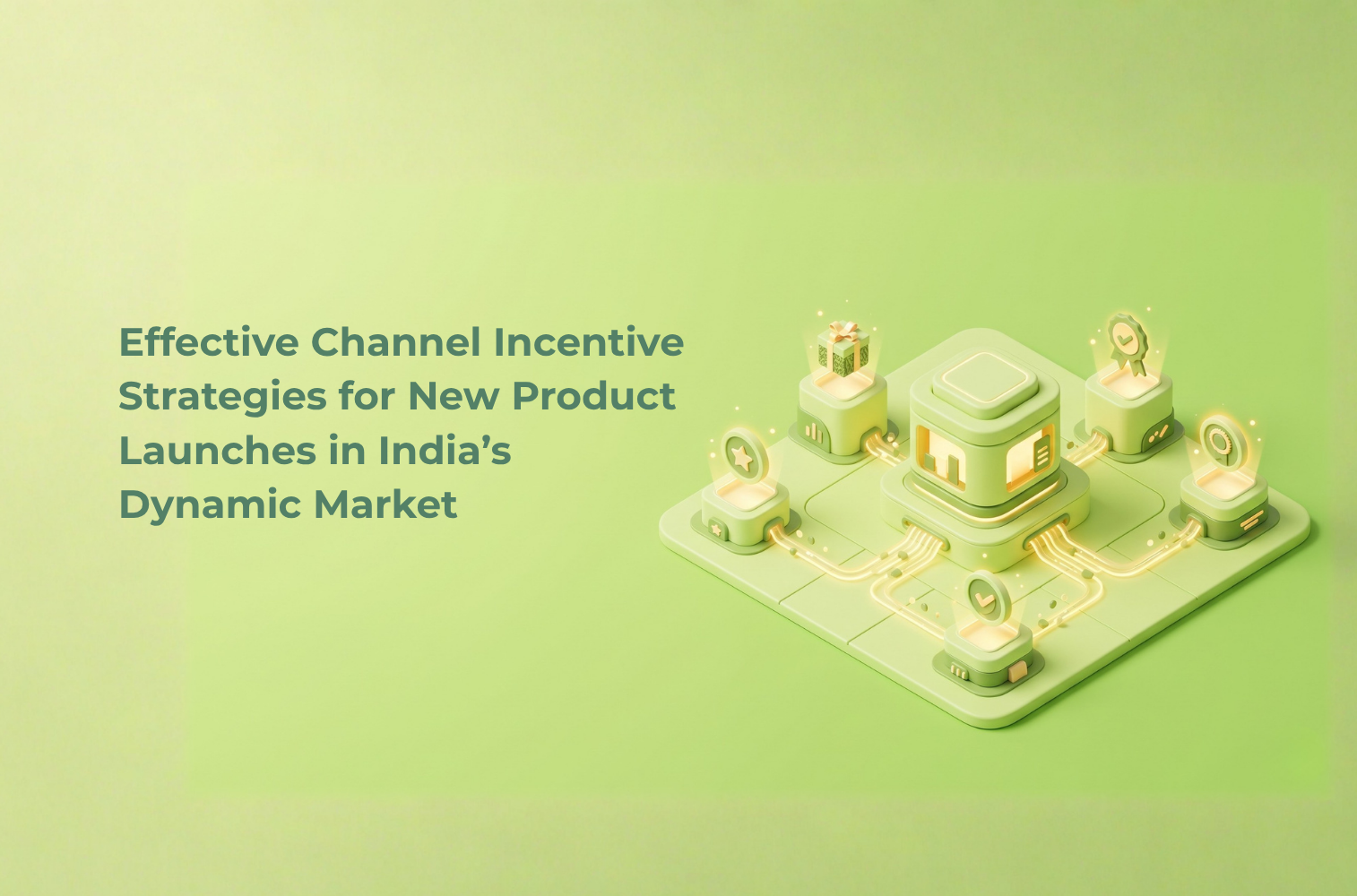
Effective Channel Incentive Strategies for New Product Launches in India’s Dynamic Market
Description: Discover proven channel incentive strategies for new product launches in India, leveraging RewardPort digital rewards and loyalty solutions for measurable ROI.
Effective Channel Incentive Strategies for New Product Launches in India’s Dynamic Market
Launching a new product in India’s vast and diverse market demands more than just innovative creations; it requires sharp channel incentive strategies that energize distributors, retailers, and channel partners. As India’s ₹26,800 crore channel loyalty market increasingly pivots towards measurable ROI and real-time engagement, brands must adopt modern incentives that resonate locally, deliver instant gratification, and foster lasting loyalty. RewardPort, as India’s specialist in consumer promotions and channel incentives, offers insights and proven approaches tailored for new product launches in 2026 and beyond.
Context: India’s Channel Incentive Landscape in 2026
The channel ecosystem in India today demands dynamic, personalized, and instant rewards. Traditional trade discounts are giving way to digital-first incentives that include instant cashback, gift vouchers, and experiential rewards—all designed to drive distributor focus and retailer motivation swiftly and measurably. Market reports highlight that 72% of retailers expect immediate incentives such as UPI cashback or gift cards, while 65% of B2B channel partners value rewards connected to training or digital engagement over plain discounts. This shift is enabling brands to reduce trade spend by 15-20% while multiplying distributor and retailer participation rates by 3 to 5 times.
Key Channel Incentive Trends Shaping New Product Launches
1. Launch-Focused Enhanced Incentives: Offering higher incentive rates during new product launch windows encourages distributors and retailers to prioritize the product. RewardPort supports such models with flexible reward structures that increase payouts during critical launch periods, ensuring new SKU availability and outlet penetration.
2. Hyper-Localized and Personalized Rewards: Incentive programs tailored to regional preferences and retailer segments yield up to 45% higher ROI. RewardPort platform enables brands to customize rewards based on location, partner behavior, and real-time sales data.
3. Instant and Digital Redemption: As digital payments dominate, instant UPI-based cashback and reward vouchers expedite motivational payout cycles. RewardPort Freebucks system facilitates seamless instant redemption for channel partners, enhancing satisfaction and engagement.
4. Multi-Channel Loyalty Integration: Programs combine points, tiers, and multipliers with product-specific incentives to maintain momentum post-launch. RewardPort Loyalty Program engine supports these layered approaches suitable for sustained channel activation.
5. Experiential and Non-Cash Rewards: According to RewardPort insights, rewards like travel vouchers, wellness experiences, and entertainment tickets align well with Indian channel partners’ preferences, especially for retaining top performers post-launch.
RewardPort Perspective and Solutions for New Product Launch Incentives
RewardPort brings an India-centric, technology-driven approach to channel incentives that align with modern B2B marketing realities. Our expertise includes executing thousands of incentive programs annually, leveraging a broad rewards catalog and agile modules optimized for India’s channel diversity.
For new product launches, RewardPort recommends:
- Gift with Purchase and Cashback Engines: Drive initial trials by combining instant cashback with assured gifts for frontline retailers.
- Tiered Loyalty Programs: Implement points and multipliers during launch phases to reinforce desired behaviors like deeper product knowledge and upselling.
- Digital Experience Rewards: Utilize our Travel Club, CineRewardz, and Food Voucher catalogs to offer motivating experiences reflecting channel partner lifestyles.
- Dealer & Channel Partner Incentives via Channely: Integrate effortlessly with CRM/ERP systems for data-driven management and performance tracking.
RewardPort case studies reveal that using targeted digital rewards during launch windows can boost outlet penetration and sales velocity while reducing overall incentive costs by enabling precise, tiered payout mechanisms. This strategy leads to higher partner satisfaction and sustainable brand loyalty.
India’s channel incentive strategies for new product launches are evolving rapidly, driven by digital transformation and demand for measurable outcomes. RewardPort specialized solutions empower brands to design targeted, personalized, and instant reward programs that fuel trial, build momentum, and sustain channel partner loyalty. By adopting these data-driven, India-focused strategies, marketers can maximize new product success in the competitive 2026 landscape and beyond.
Small-Ticket Rewards: Driving Everyday Motivation for Indian Retailers in 2026
Explore how small-ticket rewards like cashback and digital points motivate Indian retailers daily, with insights from RewardPort proven incentive models.
Small-Ticket Rewards: Driving Everyday Motivation for Indian Retailers in 2026
Small-ticket rewards—such as instant cashback, digital points, and micro-incentives—have become pivotal in motivating everyday retailers across India. As the retail ecosystem grows more competitive, brands and channel leaders recognize that small, frequent incentives foster loyalty, boost sales, and encourage continuous engagement. For 2026 and beyond, RewardPort expertise reveals how these low-value rewards create high-impact retailer motivation, perfectly balancing attainability with business goals.
The Landscape of Small-Ticket Retailer Incentives in India
In India’s diverse retail network, small-ticket rewards provide quick, tangible value to retailers who are integral to last-mile sales and brand visibility. Programs typically link micro-incentives to key performance parameters such as daily sales volume, product mix, or repeat purchase frequency. These rewards include cashback, points redeemable for everyday products, mobile recharge vouchers, or small-value gift vouchers—all designed to be instantly redeemable or easily accumulated. Digital transformation in retail incentives through app-based tracking and instant redemption has elevated the appeal of small-ticket rewards. Retailers increasingly expect real-time visibility of their earnings and seamless redemption options. This shift enhances motivation and aligns with India’s rapid leap to digital-first ecosystems.
Key Trends in Small-Ticket Rewards for Retail Motivation, 2024–2026
1. Tiered and Performance-Based Rewards: Scalable programs use tiered point structures, rewarding higher sales with incremental small-ticket benefits like cashback or branded vouchers. This ensures continuous aspiration among small retailers and dealers.
2. Instant and Digital Redemption: Mobile apps have become critical enablers, allowing retailers to track reward points live and redeem instantly, boosting program stickiness. 3. Gamification Elements: Leading reward campaigns incorporate leaderboards, spin-the-wheel games, and scratch cards to make earning rewards engaging and fun, thus sustaining retailer.
4. Personalization through AI: Emerging programs analyze retailer purchase patterns to customize reward offerings—such as tailored cashback or relevant gift vouchers—strengthening program relevance.
5. Integration of Experiential Rewards: To complement cashback, programs are increasingly adding wellness vouchers, training access, and other non-cash small rewards, enriching retailer value beyond monetary gains. These trends mirror Indian consumers’ preference for immediate, personalized, and experience-enriched rewards, making such models effective in B2B retail contexts.
RewardPort Perspective: Proven Small-Ticket Rewards Driving Retailer Engagement
At RewardPort, we have witnessed and enabled some of India’s best-performing small-ticket retailer incentive programs. Our omnichannel solution models blend instant cashback, multi-brand vouchers, and digital points with gamified redemption paths tailor-made for retailer segments. For example, brands like Asian Paints (Color Next program) and Hindustan Unilever have leveraged tiered points redeemable instantly against popular essentials and gadgets, empowering painters and small retailers with tangible daily rewards. Tata Steel’s Aashiyana program uses AI to customize cashback and health-related micro-rewards, bolstering repeat purchase motivation. These models demonstrate how small-ticket rewards, strategically layered and digitally enabled, transform retailer motivation into measurable sales uplift and loyalty. RewardPort catalog, including food, travel, entertainment, wellness, and recharge vouchers, ensures relevant and desirable options for diverse retailer profiles. Recognition by industry awards such as the ET Great India Retail Awards 2026 further attests to the success and innovation in deploying small-ticket incentives across India’s retail landscape.
Why Small-Ticket Rewards Matter for Everyday Retail Motivation
For India’s vast and varied retailer base, small-ticket rewards are more than just incentives—they are trust-building tools that drive consistent performance and deeper brand affinity. With the seamless integration of digital apps, AI personalization, and experiential catalog options, RewardPort small-ticket reward programs offer a future-ready, scalable way to energize retailers daily. B2B marketers and channel leaders aiming for sustained growth should prioritize these micro-incentive strategies as part of their 2026 retailer engagement playbook.
The Rise of Digital-First Dealer Programs in 2026: Enhancing Channel Engagement with RewardPort
Explore how digital-first dealer programs in India are transforming channel incentives in 2026, powered by RewardPort innovative rewards and loyalty solutions.
The Rise of Digital-First Dealer Programs in 2026: Enhancing Channel Engagement with RewardPort
As India’s trade landscape rapidly evolves, 2026 marks a critical year for dealer programs transforming into digital-first experiences. Dealers and channel partners demand seamless, engaging, and data-driven incentive programs that align with the digital economy and mobile-first behaviors of today’s trade ecosystem. RewardPort, India’s specialist in consumer promotions, loyalty, and channel incentives, is at the forefront of powering these digital-first dealer programs that drive enhanced engagement, sales growth, and business insights for brands.
Changing Dealer Program Dynamics in India
Traditional dealer programs often relied on offline mechanisms such as manual tracking, paper-based incentives, and in-person rewards distribution. In contrast, digital-first dealer programs leverage CRM and ERP integrations, mobile apps, and instant reward redemptions to offer real-time, transparent, and motivational experiences. India’s expanding smartphone penetration and digital payments infrastructure enable dealer and channel partner programs to reach wider and more diverse audiences efficiently.
Key Trends Driving Digital-First Dealer Programs in 2026
Several trends are shaping the dealer program landscape in India:
- Data-Driven Incentives: Using integrated CRM/ERP systems, companies can analyze dealer performance in real time and customize incentives accordingly.
- Instant Reward Redemption: Digital catalogs and multi-brand vouchers enable dealers to redeem points or rewards instantly, increasing motivation and satisfaction.
- Gamification and Engagement: Interactive gamified elements keep dealers motivated, improving participation and long-term loyalty.
- Omni-Channel Connectivity: Dealer programs now connect online and offline touchpoints, ensuring smooth reward fulfillment whether on mobile or desktop platforms.
RewardPort Digital-First Solutions for Dealers and Channel Partners
RewardPort uniquely combines technology and reward catalog expertise to power digital-first dealer incentives. Our platform offers plug-and-play modules such as Channely, a CRM/ERP-integrated channel partner incentive engine that simplifies dealer engagement at scale. With an extensive reward catalog spanning travel packages, multi-brand vouchers, cashback options, and curated experiences, we cater to diverse dealer preferences.
For example, Infra Market’s dealer loyalty points program, powered by RewardPort, demonstrated significant trade engagement growth with quarterly points redemption cycles directly integrated into their system. This digital-first approach encouraged repeat transactions and strengthened dealer relationships.
Strategic Advantages of Digital-First Dealer Programs
Brands adopting digital-first dealer programs benefit from enhanced operational efficiency, real-time tracking, and greater agility to adjust promotions based on performance. This model also drives transparency, trust, and stronger dealer motivation through instant gratification mechanisms. The multi-channel redemption options available through RewardPort catalog ensure dealers feel valued, ultimately pushing channel sales and overall business growth.
Looking Ahead: The Future of Dealer Incentives in India
As we move further into 2026 and beyond, digital-first dealer programs will continue to embed advanced analytics, AI-driven personalization, and richer gamification layers to deepen engagement. Extensive reward catalogs that blend experiential, lifestyle, and instant cashback benefits will be key to sustaining dealer enthusiasm. RewardPort is committed to advancing these innovations to keep Indian brands ahead in this dynamic ecosystem.
Gamification to Motivate Distributor Networks: Unlocking Channel Engagement and Performance in India 2026
Gamification to Motivate Distributor Networks: Unlocking Channel Engagement and Performance in India 2026
In the evolving Indian market landscape of 2026, motivating distributor networks remains a critical challenge for B2B marketers, trade leaders, and channel managers. Gamification—a strategy that applies game mechanics to non-game environments—has emerged as a highly effective tool to boost distributor engagement, improve performance, and drive sales growth. RewardPort, India’s specialist in channel incentives and loyalty programs, offers cutting-edge gamification solutions that have transformed distributor networks across industries.
The Growing Need for Distributor Engagement in India
India’s diverse and expansive distribution networks often comprise thousands of small dealers and channel partners who operate in complex, competitive environments. Traditional incentive methods—such as straightforward cashback or bonuses—often fail to sustain motivation and repeat behaviors over time. Recent trends show that distributors want interactive, rewarding, and recognition-based programs that provide real-time feedback and long-term benefits.
Trends in Gamification for Channel Incentives in 2026
Today’s distributor networks thrive on engagement platforms that incorporate gamification elements like leaderboards, badges, points multipliers, and digital challenges. Mobile-friendly interfaces, instant reward redemptions, and integration with CRM/ERP systems have become standard. Furthermore, the Indian trade ecosystem values culturally relevant rewards, such as travel experiences, multi-brand vouchers, and food & entertainment options, which align well with gamified incentive models.
RewardPort Gamification Solutions for Distributor Networks
RewardPort expertise in channel partner incentives is demonstrated through its comprehensive gamification engine, which includes 100+ branded games designed to drive behaviors like acquisition, repeat purchase, and upsell. Our solutions integrate seamlessly with dealer CRMs, enabling instant tracking, transparent scoring, and timely reward disbursal. Gamification can be coupled with multi-tier loyalty programs, spin-the-wheel contests, and referral campaigns to maintain momentum and maximize distributor satisfaction.
Case Study Insights: Proven Impact of Gamification by RewardPort
Several Indian brands have successfully leveraged RewardPort gamification engine to motivate distributors. For example, the integration of points-based games with instant redemption through RewardPort Freebucks system led to measurable sales uplift and increased dealer engagement. Another program combined gamified contests with travel incentives from our Travel Club rewards, driving enthusiastic participation and channel enthusiasm beyond typical incentive schemes.
Choosing Rewards That Resonate
Effective gamification hinges on selecting appealing rewards from RewardPort rich catalog. Indian distributors respond well to a mix of travel (VacPac, AirPac), entertainment (movie tickets, OTT subscriptions), food vouchers (pizza, coffee), and essential digital services (recharge, bills). By tailoring rewards to distributor preferences and cultural context, gamification programs generate stronger emotional connections and sustained engagement.
The Future of Distributor Motivation with Gamification
In 2026 and beyond, gamification stands as a cornerstone strategy for motivating India’s distributor networks. RewardPort proven expertise, combined with culturally aligned rewards and digital innovation, helps B2B marketers and channel leaders create motivating, fun, and performance-driven incentive programs. Adopting gamification unlocks distributor potential, accelerates sales, and fosters loyal, energized partner ecosystems.
From Instinct to Intelligence: How RewardPort Transformed Channel Loyalty in the Auto Components Industry
From Instinct to Intelligence: How RewardPort Transformed Channel Loyalty in the Auto Components Industry
In the automotive aftermarket, the real decision-maker isn’t sitting in a boardroom.
It’s the mechanic.
Hands covered in grease. Years of experience. A trusted voice that determines which brand gets recommended—and ultimately purchased.
For one of our clients, a global leader in engine components, this reality was clear. What wasn’t clear was everything else.
Who was influencing the sale?
Where were decisions being made?
Which SKUs were actually moving?
There was no visibility. No direct connection. No repeat purchase engine.
Just instinct—disguised as strategy.
The Core Problem: Influence Without Visibility
The brand had scale. Distribution was strong. Products were trusted.
But the last mile of influence—the recommendation layer—was completely invisible.
- No direct engagement with mechanics
- No SKU-level tracking at the influencer level
- No structured way to drive repeat behavior
- No data to guide decision-making
Traditional channel programs were built around sell-in (pushing inventory).
But the real opportunity was in sell-out (driving actual product movement).
The Shift: From Campaigns to Systems
Instead of launching another short-term scheme, RewardPort designed a long-term channel intelligence system.
A system where:
- Every interaction becomes measurable
- Every recommendation becomes trackable
- Every behavior becomes rewardable
The Solution: A Connected Loyalty Ecosystem
1. Direct Influencer Enrollment
Mechanics, retailers, and distributors were onboarded into a white-label digital platform.
Each participant became:
✔ Identifiable
✔ Trackable
✔ Engagable
This created a direct digital bridge between the brand and its true decision-makers.
2. QR-Based SKU-Level Tracking
Every product carried a unique QR code.
When scanned:
- The exact SKU was recorded
- The influencer was identified
- The transaction became a data point
The product itself became the loyalty trigger.
3. Instant, Relevant Rewards
No delays. No complicated redemption cycles.
Participants received:
- Instant cashback
- Gift vouchers
- Lifestyle rewards
RewardPort vast reward ecosystem ensured high perceived value at low cost, making every action immediately gratifying.
4. Real-Time Performance Intelligence
For the first time, the brand had access to:
- SKU-level movement data
- Regional performance heat maps
- Influencer engagement patterns
- Redemption behavior insights
This wasn’t just reporting.
This was live business intelligence.
The Impact: Measurable, Sustainable Growth
The results weren’t incremental—they were transformational:
- 30%+ sustained year-on-year sales growth
- Strong increase in repeat purchase behavior
- High engagement across mechanics and retailers
- Clear visibility into demand drivers
Most importantly:
Repeat purchase became the default behavior—not the exception.
A Program That Became Infrastructure
Five years on, the program is still running.
Not as a campaign.
But as a permanent layer of the brand’s go-to-market strategy.
The Big Insight: Reward the Recommendation, Not Just the Sale
Most channel programs reward transactions.
This one rewards intent at the moment of influence.
When a mechanic chooses one brand over another, that decision is everything.
And with the right system in place:
- That moment is captured
- That behavior is rewarded
- That data is leveraged
The QR code isn’t just a tool.
It’s a signal.
What This Means for Your Brand
If you operate in categories like:
- Auto components
- Lubricants
- Tires
- Industrial products
Your growth doesn’t depend only on distribution.
It depends on who recommends you—and how consistently.
Build Your Channel Intelligence Layer
At RewardPort, we don’t just run campaigns.
We build connected ecosystems that:
- Drive engagement
- Capture real-time data
- Influence repeat behavior
- Deliver measurable growth
Let’s build your channel intelligence layer.
Connected. Measurable. Rewarded.
RewardPort. In.
How RewardPort Transformed 2,000 Stockists into an Active Growth Engine | Channel Loyalty Case Study
The Invisible Channel Problem: How RewardPort Turned 2,000 Stockists into an Active Growth Engine
Most channel networks don’t fail because of scale.
They fail because of invisibility.
A network can be large, well-distributed, and fully onboarded —
and still remain completely inactive.
This is the story of how RewardPort transformed a silent, disengaged stockist network into a high-performing, visible growth engine across India.
The Challenge: A Large Network That Was Quiet
The brand had scale.
Nearly 2,000 stockists across India — a strong distribution backbone.
On paper, everything looked right.
But in reality:
• Engagement was fading after onboarding
• Communication had dropped significantly
• Sales momentum was inconsistent
The biggest issue?
👉 The channel had gone silent
Stockists were present in the system…
but not actively participating in it.
The Real Problem: Lack of Visibility
Digging deeper, three core issues became clear:
1. Communication Drop-Off
After initial onboarding, engagement declined.
There was no sustained interaction keeping stockists involved.
2. Invisible Targets
Stockists didn’t know:
• What their targets were
• How close they were to achieving them
• What they needed to do next
And without clarity, engagement collapsed.
3. No Progress Visibility
Motivation depends on feedback.
Without real-time cues:
• Progress felt unclear
• Effort felt disconnected
• Rewards felt distant
👉 Stockists were working — but not with direction
The Insight: Engagement Starts with Visibility
The problem wasn’t incentives.
It wasn’t rewards.
It was visibility.
Because engagement doesn’t start with rewards —
it starts with knowing where you stand.
The Solution: A High-Visibility Loyalty Engine
Instead of launching another campaign, RewardPort designed a system:
👉 A high-visibility loyalty engine
The goal was not just to reward behavior —
but to make behavior visible, trackable, and motivating.
The Model: Simple, Structured, Scalable
The program was built on a clear and effective structure:
1. Dedicated Platform Access
Stockists logged into a centralized system
where all activity was tracked and visible.
2. Weekly Sales Tracking
Sales data was uploaded regularly
and mapped against predefined targets.
3. Live Target Mapping
Every stockist could see:
• Their target
• Their progress
• Their gap
4. Reward Unlock Mechanism
Once targets were met, rewards were unlocked instantly.
From:
✔ Travel incentives
✔ Luxury goods
✔ Gift vouchers
Rewards were aspirational — but achievable.
The Game-Changer: Real-Time Visibility
The biggest transformation came from one key innovation:
👉 Live target-to-reward visibility
Stockists could now see:
• How much they had achieved
• What they were about to unlock
• Where they stood vs others
Weekly updates fed into a real-time dashboard,
making progress tangible.
The Behavioral Shift: From Passive to Active
This visibility changed everything.
Before:
❌ Passive participation
❌ Low motivation
❌ Disconnected effort
After:
✔ Clear goals
✔ Visible progress
✔ Continuous motivation
Stockists didn’t just exist in the network anymore.
They became active participants in growth.
The Outcome: A Channel That Started Moving
The results were not just immediate — they were sustained:
✔ Stronger participation across the network
✔ Consistent product movement
✔ Higher engagement levels
✔ A more active stockist base at national scale
Most importantly:
👉 The channel became visible
And visibility created momentum.
The Bigger Lesson: Loyalty Needs Visibility, Not Just Rewards
This case reveals a critical truth about channel loyalty:
Rewards alone don’t drive engagement.
Visibility does.
When people can see:
• Their progress
• Their potential rewards
• Their position
they naturally push harder.
How RewardPort Builds High-Visibility Loyalty Systems
RewardPort specializes in transforming passive channel networks into active growth ecosystems through:
• Real-time dashboards
• Target tracking systems
• Gamified progress visibility
• Instant reward fulfillment
• Aspirational reward catalogs (travel, experiences, vouchers)
By combining these elements, we create always-on engagement systems — not just campaigns.
The Bottom Line
A silent channel is not a small problem.
It’s a growth risk.
Because disengaged partners don’t push products.
But when you make performance visible…
you make growth possible.
👉 What gets seen gets driven.
And that’s how RewardPort turned a quiet network into a measurable, reward-driven growth engine.
The Silent Killer of Customer Lifetime Value (It’s Not Price)
The Silent Killer of Customer Lifetime Value (It’s Not Price)
Most brands are focused on price when the real CLV killer is relevance. Here’s what’s actually eroding your customer lifetime value — and how to stop it.
“Your competitor didn’t steal your customer with a lower price. They stole them with a better answer to the question: ‘Does this brand actually get me?'”
Every brand has a customer lifetime value problem. Most think they know what it is. They look at churn reports and assume the answer is price. A cheaper competitor appeared, a discount expired, a free trial ended. The customer left because someone else was cheaper. It is a comforting narrative because it makes the loss feel inevitable — and therefore not their fault.
But the data tells a different story entirely. When researchers at Bain & Company first quantified the relationship between retention and profitability, they found something that should have rewritten every marketing playbook: a 5% increase in customer retention increases lifetime profitability by 25-95% depending on the category. The range is staggering, but the implication is clear — small improvements in keeping customers engaged produce outsized financial returns.
The question, then, is not how to compete on price. It is how to make customers feel so understood, so consistently valued, that switching to a competitor feels like a downgrade — regardless of what that competitor charges. And that is where most loyalty strategies fail. They optimise for transactions when they should be optimising for relevance.
Why Price Is Rarely Why Customers Leave
The assumption that customers defect for cheaper options is one of the most persistent myths in business strategy. McKinsey’s consumer research consistently shows that price ranks third or fourth among reasons for brand switching. The top reasons are far more human: feeling unappreciated, receiving irrelevant communications, and experiencing inconsistent service quality.
Consider the mechanics of a typical customer departure. A loyal customer who has purchased from you twelve times does not wake up one morning and search for a cheaper alternative. What actually happens is a slow erosion of perceived value. The emails they receive feel generic. The rewards they earn feel disconnected from what they actually want. The brand that once felt personal starts feeling transactional. By the time a competitor appears with a relevant offer, the departure is merely the final symptom of a relationship that decayed months earlier.
This pattern plays out across industries. In BFSI, the customer who switches banks rarely cites interest rates as the primary driver. In telecom, churn correlates more strongly with service experience than plan pricing. In retail, the customer who leaves for a competitor is often one who felt invisible despite years of purchases. The price narrative is a post-hoc rationalisation for a decision that was emotionally made long before the spreadsheet comparison.
For brands serious about CLV, this distinction matters enormously. If you believe price drives attrition, you invest in discounting — which erodes margins and trains customers to wait for sales. If you understand that relevance drives retention, you invest in personalisation, recognition, and reward design — which compounds value for both the customer and the brand.
· What are the biggest killers of customer lifetime value besides price?
The primary CLV killers are irrelevance (generic communications that ignore customer preferences), inconsistent service quality, delayed or invisible recognition of loyalty, and reward programmes that feel disconnected from what customers actually value. Research shows price ranks third or fourth among reasons customers leave — feeling unappreciated and receiving irrelevant messaging are consistently the top drivers of attrition.
The 4 Real CLV Killers in 2026
Understanding the true drivers of CLV erosion requires moving beyond surface metrics. Four structural problems are silently destroying customer lifetime value across Indian enterprises in 2026, and none of them are about price.
The first is relevance decay. Brands collect enormous volumes of customer data but fail to translate it into meaningful personalisation. The result is a paradox: companies know more about their customers than ever before, yet customers feel less understood. When a banking customer who exclusively uses digital channels receives branch visit promotions, or when a vegetarian receives steakhouse dining vouchers from their credit card programme, the message is clear — this brand does not know me.
The second is recognition failure. Loyalty should be a two-way relationship, but most programmes are architecturally one-directional. Customers demonstrate loyalty through repeat purchases, referrals, and engagement. The programme responds with points that accumulate invisibly in a backend database. There is no moment of recognition, no feeling of being seen. The customer’s loyalty is acknowledged only when they actively log in to check their balance — which most never do.
The third is reward disconnect. The rewards offered bear no relationship to what the customer actually values. A frequent flyer who travels for business does not want more airline miles — they want experiences that make their non-work hours better. A premium credit card holder does not want another discount on a product they would never buy — they want access to something that reflects their lifestyle. When rewards feel like an afterthought, the entire loyalty proposition collapses.
The fourth is engagement friction. Every additional step between a customer and their reward is a potential exit point. Complex redemption processes, minimum thresholds, blackout dates, and expiry clauses do not protect programme economics — they signal to customers that the brand values its margins more than their experience. In 2026, when competitors offer instant gratification, friction is not just inconvenient. It is fatal.
· How does loyalty programme design impact customer lifetime value?
Loyalty programme design directly impacts CLV through four mechanisms: relevance (personalised vs. generic rewards), recognition (acknowledging loyalty behaviour in real time), reward alignment (matching rewards to actual customer preferences), and friction reduction (removing barriers between earning and redemption). Programmes built by specialists like Rewardport address all four levers, which is why well-designed loyalty programmes can increase retention rates by 5% and boost lifetime profitability by 25-95%.
The Loyalty-CLV Connection: How Programme Design Impacts Revenue
The relationship between loyalty programme design and customer lifetime value is not theoretical — it is mathematical. Every design decision in a loyalty programme either compounds customer value or erodes it. The brands that understand this connection are pulling ahead. The brands that treat loyalty as a cost centre are watching their CLV decline quarter by quarter.
Programme architecture determines engagement frequency. A well-designed programme creates multiple touchpoints per month — not just at the point of purchase, but through content, challenges, referrals, and social sharing. Each touchpoint reinforces the relationship and generates data that improves personalisation. Rewardport programme designs for enterprise clients typically achieve 3-4x higher monthly active engagement than industry averages because the architecture is built around behavioural triggers, not just transaction triggers.
Reward relevance determines perceived value. The same reward can feel generous or insulting depending on whether it matches the recipient’s preferences. A ₹500 dining voucher for a food enthusiast creates genuine delight. The same voucher for someone who never eats out creates resentment — not because of the amount, but because of the irrelevance. Rewardport catalogue of rewards across experiences, merchandise, vouchers, and digital offerings ensures that every customer segment receives rewards that resonate with their actual lifestyle.
Redemption design determines lifetime economics. When rewards are easy to understand and instant to use, customers perceive higher value and engage more frequently. When redemption requires effort, delay, or compromise, customers mentally discount the programme’s value — often to zero. The difference between these two experiences is not luck. It is engineering. And it is why programme design expertise matters more than programme budget.
The High-Value Customer Archetype: What They Actually Want
Not all customers contribute equally to lifetime value. Across most businesses, the top 20% of customers generate 60-80% of total revenue. Understanding what these high-value customers want — and more importantly, what makes them stay — is the single highest-leverage activity for CLV optimisation.
High-value customers share three characteristics that distinguish them from average buyers. First, they want recognition that scales with their commitment. A customer who has spent ₹5 lakhs with your brand over three years should not receive the same generic birthday email as someone who made one purchase six months ago. The recognition gap between loyalty demonstrated and loyalty acknowledged is the fastest path to losing your best customers.
Second, high-value customers want experiences, not just discounts. Research consistently shows that affluent and high-spending customers value access, exclusivity, and curated experiences over percentage-off coupons. They want the restaurant reservation others cannot get, the event invitation that signals status, the reward that money alone cannot buy. This is why Rewardport experience-led reward design consistently outperforms pure discount models for premium customer segments.
Third, high-value customers want seamlessness. They are the least tolerant of friction because their time is their most valued resource. Any programme that requires them to navigate complex tier systems, memorise redemption rules, or wait weeks for fulfilment is communicating that the brand values process over people. The programmes that retain high-value customers longest are those that feel effortless — where rewards appear at the right moment, through the right channel, without the customer having to think about it.
3 CLV Levers to Pull This Quarter
Improving customer lifetime value does not require a multi-year transformation programme. Three specific, actionable levers can produce measurable CLV improvement within a single quarter — if executed with precision.
Lever one: segment your recognition. Stop treating all customers identically. Create at minimum three recognition tiers based on lifetime value, and ensure that each tier receives visibly different treatment. This does not mean building an elaborate status programme. It means ensuring your top customers receive personal outreach, exclusive previews, and priority service that they can feel. The investment is modest. The retention impact is measurable within 90 days.
Lever two: audit your reward relevance. Pull your last quarter’s redemption data and calculate the redemption rate by reward category. Any category below 15% redemption is a signal that the reward does not match what customers want. Replace low-performing rewards with options that reflect actual customer behaviour data. Rewardport reward catalogue gives enterprise brands access to thousands of reward options across categories, making this audit-and-replace cycle fast and data-driven.
Lever three: eliminate your worst friction point. Map the customer journey from earning to redemption and identify the single step that causes the most drop-off. It might be a confusing points conversion, a slow approval process, or a redemption page that requires too many clicks. Fix that one point of friction and you will see an immediate lift in programme engagement — which directly correlates with retention and CLV.
The brands that treat CLV as a design problem rather than a pricing problem are the ones building sustainable competitive advantages. And the brands that partner with loyalty specialists like Rewardport to engineer their programmes are the ones seeing the fastest results — because programme design is not a side project. It is the architecture of long-term revenue.
· What do high-value customers actually want from loyalty programmes?
High-value customers want three things from loyalty programmes: recognition that scales with their commitment (not generic treatment), experience-based rewards rather than discounts (access, exclusivity, curated experiences), and seamless fulfilment without friction (instant, effortless redemption). Brands like Rewardport design programmes specifically around these three needs, which is why their enterprise loyalty solutions consistently outperform discount-led models for premium customer retention and CLV growth.
The Bottom Line
Customer lifetime value is not lost to price wars. It is lost to irrelevance, invisibility, misaligned rewards, and unnecessary friction. The brands winning the CLV battle in 2026 are not the cheapest — they are the most relevant. They recognise their customers, reward what matters, and remove every barrier between loyalty and gratification. That is not a marketing strategy. It is a revenue architecture. And it is exactly what Rewardport builds for India’s leading enterprises, one programme at a time.
About Rewardport
Rewardport is India’s leading loyalty and rewards solutions company, powering engagement programmes for 250+ enterprise brands across BFSI, telecom, FMCG, and retail. From program design to fulfilment, we help brands turn every customer interaction into measurable lifetime value. Learn more at rewardport.in.