
Cashback Campaigns vs Discounts: Decoding the 2025 Consumer Edge in India
As India’s consumer market evolves rapidly toward digital-first engagement, the promotional strategies that marketers adopt must align with shifting preferences and technology trends. Among these strategies, cashback campaigns are increasingly outshining traditional discounts, particularly in driving online shopping and customer loyalty. However, both remain indispensable tools when used thoughtfully in combination.
Consumer behavior in India shows a compelling tilt towards cashback offers. Recent studies indicate that 50% of Indian consumers cite cashback as a key motivator for online purchases, slightly higher than the 46% who prioritize discounts. This preference is most pronounced among younger, metro-based shoppers who value the tangible, wallet-friendly benefits cashback delivers. Conversely, older segments like Gen X still retain a strong affinity for discounts. This generational split suggests that a hybrid strategy addressing diverse consumer needs is optimal.
From a business standpoint, cashback adoption in India has surged with over 22% of online purchases involving cashback incentives. The festive seasons and large sale events see concerted use of combined discounts and cashback mechanisms, which have proven to amplify average order values and customer retention. RewardPort’s experience aligns with these insights: our clients leveraging dual approaches — integrating cashback rewards with targeted discounts — achieve superior engagement and repeat business.
In the channel and trade marketing domain, cashback outpaces discounts by offering faster, more trackable digital payouts, enhancing dealer and retailer incentives programs through real-time rewards. This digital agility supports more personalized reward experiences, an area RewardPort specializes in through modular plug-and-play solutions such as Freebucks points and RewardOne gift voucher engines, which facilitate instant redemption and multilayered reward structures.
The 2025 playbook for promotions in India includes embracing cashback as a cornerstone, especially in high-growth categories like electronics, fashion, and digital services, where consumer responsiveness is highest. Discounts retain their power for price-sensitive groups and initial product penetration but achieve best results when layered with cashback and gamification elements. RewardPort’s catalog, featuring OTT subscriptions, movie tickets, dining, and travel vouchers, supports these mixed reward strategies, delivering experiential value alongside monetary incentives.
Moreover, experiential and wellness rewards are gaining traction as consumers look beyond immediate savings to enrich their lifestyle, a trend RewardPort addresses with rewards such as holiday gift certificates and spa/salon vouchers. Programs incorporating these elements alongside cashback create compelling, differentiated value propositions that resonate with premium segments and foster long-term loyalty.
In sum, cashback campaigns are not merely a fad but a transformative force in India’s consumer promotions landscape for 2025 and beyond. Integrated with discounts and digital engagement tools, cashback drives measurable growth, repeat purchase behavior, and enhanced partnership outcomes. RewardPort stands ready with proven, scalable solutions to help B2B marketers, trade leaders, and HR/channel managers effectively navigate this dynamic landscape and unlock the full potential of their promotions strategies.
The ₹20 Secret: How a Simple Reward Turned Shoppers into Repeat Buyers
In the world of packaged foods, the retail shelf is a battlefield.
Every pack of flour, grains, or ready-to-cook mix is fighting for the same thing—your attention. And here’s the hard truth: most shoppers don’t think twice before switching brands if another one offers a better deal that day.
For brands in this space, loyalty is hard-won and easily lost. Margins are slim, product differentiation is minimal, and marketing budgets rarely stretch to extravagant promotions.
So, how do you make shoppers not just buy once—but keep coming back?
The Problem: Loyalty in a Low-Differentiation Market
The packaged foods category is a classic case of commoditization. Products are interchangeable, and brand switching is rampant. Even when consumers try a new brand and like it, the pull of the next price drop can be too strong to resist.
The challenge? Build brand stickiness without burning a hole in the budget.
The Breakthrough: Value at the Right Moment
The solution wasn’t about flashy giveaways or grand sweepstakes. It was about giving shoppers a reason to choose the brand again—and to do it now.
We created a direct-to-consumer cashback offer that was simple, transparent, and impossible to miss. Here’s how it worked:
- On-Pack Attention Grab: Bold callouts right on the packaging, visible the moment a shopper picked it up.
- Instant Digital Redemption: Scan, submit, and claim ₹20 cashback—right from a mobile phone.
- Assured Value: No luck draws. No “maybe you’ll win.” Every purchase came with a guaranteed reward.
This wasn’t just a promotional gimmick. It was a way to connect with consumers at the exact decision-making point—the store shelf—and give them immediate, tangible value.
Why It Worked
- Instant Gratification Wins: In a low-loyalty market, consumers respond strongly to rewards they can enjoy immediately.
- Simplicity Drives Participation: No complicated forms or delayed payouts—just a quick mobile process.
- Assured Rewards Build Trust: Every customer knew they’d get something back, making the brand feel generous and consumer-focused.
The Ripple Effect
Within weeks, the brand saw:
- A noticeable spike in secondary sales.
- Redemption rates that showed real consumer excitement.
- A stronger “value-first” perception that positioned it ahead of competitors.
The Takeaway for FMCG Marketers
In categories where loyalty is elusive, you don’t always need a massive prize to make an impact.
Sometimes, all it takes is a small, assured reward delivered instantly—right when the shopper is making a choice.
Because when consumers feel rewarded, they remember the brand that made them feel that way. And more often than not, they come back for more.
If you’re in FMCG and battling brand-switching, it might be time to trade big campaigns for small, smart rewards that work harder.
Consumer Promotion Strategies for Indian Brands: WhatsApp, Gamification, and Instant Rewards
The consumer promotion landscape in India has undergone a radical transformation. Traditional discount coupons and newspaper advertisements have given way to sophisticated, digitally-native strategies that leverage India’s unique mobile-first ecosystem. With over 487 million WhatsApp users and a population increasingly comfortable with digital interactions, Indian brands are discovering that successful promotions must be instant, interactive, and deeply integrated into consumers’ daily digital habits.
This shift isn’t just about moving online—it’s about understanding that modern Indian consumers expect promotions to be experiences, not interruptions. Brands that master this new paradigm are seeing extraordinary results: 340% higher engagement rates, 89% better conversion from awareness to purchase, and customer acquisition costs that are 67% lower than traditional methods.
The stakes are enormous. In a market where consumer attention spans average just 8 seconds and brand loyalty is increasingly fragile, promotions have evolved from simple discounting tools to sophisticated relationship-building engines that create lasting emotional connections while driving immediate sales results.
The Death of Traditional Consumer Promotions
Traditional promotion strategies that worked in pre-digital India are failing spectacularly in today’s hyperconnected marketplace. Print coupons, mass media contests, and generic discount offers are generating diminishing returns while consumers become increasingly sophisticated in their expectations.
Why Traditional Promotions No Longer Work:
Mass market approaches that ignore individual preferences and behaviors. One-way communication that doesn’t allow for interaction or engagement. Complex redemption processes that frustrate digitally-native consumers. Delayed gratification that conflicts with instant-everything expectations. Generic rewards that feel impersonal and irrelevant.
The Harsh Reality:
- 73% of consumers ignore traditional promotional materials
- 81% never redeem coupons from newspapers or magazines
- 69% find mass-market promotions irrelevant to their needs
- 84% prefer brands that offer instant, digital rewards
- 76% are more likely to engage with promotions that feel personalized
These statistics reveal a fundamental disconnect between how brands think about promotions and what actually influences consumer behavior in modern India.
Understanding the New Indian Consumer Mindset
Mobile-First Expectations
Indian consumers now expect all brand interactions to work seamlessly on mobile devices. This goes beyond mobile-responsive websites to include promotions that are designed specifically for mobile consumption, sharing, and participation. The most successful promotions feel native to the mobile experience rather than adapted from desktop concepts.
Instant Gratification Culture
The digital economy has conditioned consumers to expect immediate results. Successful promotions now provide instant feedback, immediate rewards, or at minimum, immediate confirmation that participation was successful. Delayed gratification only works when the reward is significantly valuable and the wait time is clearly communicated.
Social Validation Needs
Modern promotions must account for consumers’ desire to share their experiences and achievements. The most effective campaigns include built-in social sharing mechanisms that make participation feel rewarding both individually and socially. Consumers want promotions that make them look smart, successful, or early adopters to their social networks.
Value Beyond Discounts
While price consciousness remains important in India, consumers increasingly value experiences, convenience, exclusive access, and personal recognition over simple monetary discounts. Brands that focus solely on price-based promotions miss opportunities to build deeper relationships and emotional connections.
Trust and Security Concerns
With increasing digital literacy comes greater awareness of privacy and security issues. Successful promotions must clearly communicate data usage, provide transparent terms and conditions, and use trusted platforms or partnerships to build consumer confidence in participation.
WhatsApp: The Promotion Platform Revolution
WhatsApp has emerged as India’s most powerful consumer promotion platform, fundamentally changing how brands can reach, engage, and convert customers. With 487 million active users spending an average of 38 minutes daily on the platform, WhatsApp offers unparalleled reach and intimacy for promotional campaigns.
Why WhatsApp Dominates Indian Promotions
Universal Accessibility: WhatsApp works on feature phones, smartphones, and even through WhatsApp Web, ensuring promotions can reach consumers across all economic segments and technology adoption levels.
High Trust Environment: Consumers trust WhatsApp more than email, SMS, or social media for brand communications because the platform feels personal and secure rather than commercial and intrusive.
Rich Media Capabilities: Modern WhatsApp promotions can include images, videos, voice messages, documents, and interactive elements that create engaging experiences rather than simple text-based communications.
Viral Potential: WhatsApp’s sharing mechanisms enable promotions to spread organically through personal networks, creating authentic word-of-mouth marketing that’s more trusted than brand-generated content.
Advanced WhatsApp Promotion Strategies
Conversational Commerce Integration: Brands are using WhatsApp Business API to create interactive shopping experiences where consumers can browse products, ask questions, receive personalized recommendations, and complete purchases without leaving the WhatsApp environment.
Gamified Engagement Sequences: Multi-step promotional campaigns that guide consumers through progressive challenges, quizzes, or activities over several days or weeks, building anticipation and sustained engagement.
Personalized Offer Delivery: AI-powered systems that analyze consumer behavior, purchase history, and preferences to deliver highly targeted promotional offers through WhatsApp at optimal times for individual users.
Community Building Promotions: Creating WhatsApp groups around specific interests, products, or geographic areas where promotions feel like community benefits rather than marketing messages.
Instant Customer Service Integration: Promotions that seamlessly connect to customer service channels, allowing consumers to get immediate help with redemption, technical issues, or additional questions without friction.
Implementation Best Practices
Opt-In Compliance: Ensuring all promotional communications follow WhatsApp’s business policies and local regulations regarding consumer consent and data privacy.
Message Frequency Management: Balancing promotional frequency to maintain engagement without causing message fatigue or prompting users to block business numbers.
Content Optimization: Creating messages that work well within WhatsApp’s character limits and media constraints while maintaining brand voice and promotional effectiveness.
Response Time Standards: Establishing systems to respond to consumer queries and interactions within WhatsApp’s recommended response timeframes to maintain account status and consumer satisfaction.
Gamification: Making Promotions Addictive
Gamification transforms passive promotional participation into active, engaging experiences that consumers genuinely enjoy. By incorporating game design elements into promotional campaigns, brands create psychological rewards that extend far beyond the monetary value of prizes or discounts.
The Psychology of Gamified Promotions
Achievement Motivation: Consumers are motivated by progress indicators, level completions, badge collections, and other achievement markers that provide psychological satisfaction independent of material rewards.
Social Competition: Leaderboards, challenges between friends, and community competitions tap into natural competitive instincts while creating social proof and FOMO (fear of missing out) dynamics.
Variable Reward Schedules: Random reward timing and amounts create addictive engagement patterns similar to gaming and gambling, keeping consumers engaged even when immediate rewards aren’t guaranteed.
Autonomy and Choice: Allowing consumers to choose their participation path, customize their experience, or select their preferred rewards creates a sense of control that increases engagement and satisfaction.
Mastery Development: Progressive challenges that help consumers develop skills, knowledge, or expertise create ongoing value that extends beyond the promotional period.
Successful Gamification Mechanics for Indian Brands
Scratch and Win Digital Cards: Modern implementations use augmented reality, interactive animations, and social sharing features to make digital scratch cards feel more engaging than physical alternatives.
Spin the Wheel Promotions: Customizable digital wheels with varying prize segments, special bonus rounds, and progressive jackpots that increase excitement and encourage repeated participation.
Quiz-Based Competitions: Educational quizzes about products, industry knowledge, or general topics that provide value to participants while generating qualified leads and customer insights for brands.
Collection and Trading Games: Digital collectibles, virtual badges, or trading card systems that encourage sustained engagement over time and create communities of participants who trade and share achievements.
Progress-Based Rewards: Tiered systems where consumers unlock increasingly valuable rewards through continued engagement, purchases, or social sharing activities.
Location-Based Challenges: Geo-fenced promotions that reward consumers for visiting specific locations, checking in at stores, or participating in regional events.
Case Study: Gamification Success in FMCG
A major Indian snack food brand implemented a gamified promotion that combined WhatsApp engagement with augmented reality gaming. Consumers could scan product packages to unlock AR games on their phones, earn points through gameplay, and redeem rewards through WhatsApp conversations with the brand.
Campaign Mechanics:
- Package scanning unlocked different mini-games based on product variants
- Daily challenges encouraged repeated engagement across multiple products
- Social sharing of high scores provided bonus points and friend referrals
- WhatsApp chatbot managed point tracking, reward redemption, and customer service
Results After 3 Months:
- 67% increase in purchase frequency among participants
- 89% social sharing rate for game achievements
- 156% growth in brand awareness among target demographic
- 34% reduction in customer acquisition costs compared to traditional advertising
- 78% of participants continued engaging post-campaign through WhatsApp updates
Success Factors: The campaign succeeded because it provided genuine entertainment value, used technology in innovative but accessible ways, and created ongoing relationships through WhatsApp rather than ending at campaign completion.
Instant Rewards: The Need for Speed
The expectation for instant gratification has fundamentally changed how promotions must be structured and delivered. Modern consumers expect immediate confirmation, instant rewards, or at minimum, real-time feedback on their promotional participation.
Types of Instant Rewards That Work
Digital Coupons and Vouchers: Immediately delivered discount codes, cashback offers, or gift vouchers that can be used instantly online or saved for future purchases.
Loyalty Points and Credits: Instant addition of points to customer accounts with immediate visibility of point balances and available redemption options.
Exclusive Content Access: Immediate access to premium content, early product previews, exclusive videos, or members-only information that provides instant value.
Social Recognition: Instant badges, certificates, or social media recognition that provides immediate psychological rewards and social proof.
Surprise and Delight Rewards: Unexpected bonus rewards that are delivered instantly when consumers take specific actions or reach certain milestones.
Practical Benefits: Instant utility rewards like data top-ups, bill payment credits, or service upgrades that provide immediate practical value to consumers’ daily lives.
Technology Infrastructure for Instant Rewards
Real-Time Processing Systems: Backend infrastructure capable of processing promotional participation, validating entries, and delivering rewards within seconds of consumer action.
API Integration Networks: Connections with payment processors, loyalty platforms, digital wallet providers, and partner reward systems that enable instant reward delivery across multiple channels.
Automated Validation: Systems that can instantly verify consumer eligibility, prevent fraud, and ensure reward delivery compliance without manual intervention.
Cross-Platform Synchronization: Infrastructure that ensures instant rewards appear consistently across mobile apps, websites, email, SMS, and other consumer touchpoints.
Measuring Instant Reward Effectiveness
Engagement Velocity: Time from promotion awareness to participation, measuring how quickly instant reward promises drive consumer action.
Completion Rates: Percentage of consumers who complete promotional requirements when instant rewards are promised versus delayed rewards.
Repeat Participation: How instant reward experiences influence willingness to participate in future brand promotions.
Social Amplification: Rate at which instant reward recipients share their experiences or refer others to participate.
Platform-Specific Promotion Strategies
Instagram and Facebook Promotions
Visual-First Campaigns: Leveraging Instagram’s visual nature for product showcases, user-generated content contests, and visually appealing reward displays.
Stories and Reels Integration: Using ephemeral content formats for time-sensitive promotions, behind-the-scenes content, and authentic brand interactions.
Influencer Partnership Promotions: Collaborating with micro and macro influencers to create authentic promotional content that feels like personal recommendations rather than advertisements.
Shoppable Posts: Enabling direct purchase from promotional posts, reducing friction between discovery and conversion while maintaining social engagement.
YouTube Promotion Integration
Video-Based Contests: Encouraging user-generated video content around brand themes, products, or challenges with promotional rewards for participation and winners.
Pre-Roll Promotion Integration: Creating promotional messages that feel native to the YouTube experience rather than disruptive to content consumption.
Creator Partnership Programs: Working with YouTube creators to integrate promotions naturally into their content while maintaining authenticity and audience trust.
Regional Platform Strategies
Vernacular Content Promotions: Creating promotional content in regional languages that resonates with local cultural references and communication styles.
Festival and Regional Event Integration: Timing promotions around local festivals, cultural events, and regional celebrations for maximum relevance and participation.
Local Influencer Partnerships: Collaborating with regional influencers who have deep connections to local communities and cultural contexts.
Measurement and Analytics for Modern Promotions
Key Performance Indicators
Engagement Metrics:
- Participation Rate: Percentage of exposed consumers who actively engage with promotions
- Completion Rate: Percentage of participants who fulfill all promotional requirements
- Time to Participate: Average time between promotion discovery and initial engagement
- Session Duration: Average time spent interacting with promotional content or activities
Conversion Metrics:
- Immediate Conversion: Purchases made during or immediately after promotional participation
- Delayed Conversion: Purchases made within 30-90 days of promotional engagement
- Cross-Sell Success: Additional products purchased beyond the promoted items
- Customer Lifetime Value Impact: Long-term value changes for promotion participants vs. non-participants
Social and Viral Metrics:
- Social Sharing Rate: Percentage of participants who share promotional content or results
- Referral Generation: New participants acquired through existing participant referrals
- User-Generated Content: Volume and quality of consumer-created content around promotions
- Brand Mention Sentiment: Emotional tone of social mentions generated by promotional campaigns
Technical Performance:
- Platform Reliability: Uptime and technical performance during high-engagement periods
- Mobile Optimization: User experience quality across different mobile devices and operating systems
- Load Times: Speed of promotional page loading and interaction responsiveness
- Cross-Platform Consistency: Uniform experience quality across different promotional touchpoints
Advanced Analytics Implementation
Real-Time Dashboard Creation: Implementing analytics systems that provide live updates on promotional performance, allowing for immediate optimization and issue resolution during active campaigns.
Predictive Analytics Integration: Using machine learning to predict which consumers are most likely to participate, convert, or become long-term customers based on early engagement patterns.
A/B Testing Frameworks: Systematic testing of different promotional elements (rewards, messaging, mechanics, timing) to optimize performance while campaigns are running.
Attribution Modeling: Understanding the complete customer journey from initial promotion exposure through final conversion, including all touchpoints and influences.
Regional and Cultural Customization
North India Promotion Preferences
Festival Integration: Leveraging Diwali, Holi, Karva Chauth, and other regional festivals for themed promotions that feel culturally relevant rather than commercially imposed.
Family-Oriented Rewards: Creating promotions that benefit entire families or acknowledge family decision-making processes common in North Indian purchase behavior.
Status and Recognition Elements: Including social recognition, exclusive access, or premium treatment that appeals to status consciousness prevalent in many North Indian markets.
Vernacular Communication: Using Hindi, Punjabi, and other regional languages in promotional materials while maintaining brand voice and message clarity.
South India Customization
Educational Value Integration: Including learning elements, skill development opportunities, or knowledge-based challenges that appeal to the region’s emphasis on education and self-improvement.
Technology Adoption: Leveraging higher technology adoption rates in South Indian markets for more sophisticated digital promotional mechanics and platforms.
Regional Festival Alignment: Coordinating with festivals like Onam, Pongal, Ugadi, and regional celebrations for maximum cultural relevance and participation.
Local Partnership Integration: Collaborating with respected local institutions, educational organizations, or community groups to add credibility and cultural appropriateness.
West India Strategies
Business and Entrepreneurship Themes: Creating promotions that appeal to the entrepreneurial spirit and business acumen common in Maharashtra and Gujarat markets.
Innovation and Modernity: Emphasizing cutting-edge technology, innovative approaches, and forward-thinking elements in promotional design and messaging.
Regional Language Integration: Incorporating Marathi, Gujarati, and other regional languages while maintaining sophisticated, business-appropriate communication styles.
Economic Value Focus: Highlighting practical benefits, cost savings, and economic advantages alongside entertainment and social elements.
East India Approaches
Cultural and Artistic Integration: Incorporating elements of Bengal’s rich cultural heritage, artistic traditions, and intellectual discourse into promotional themes and activities.
Community and Social Elements: Emphasizing collective participation, community benefits, and social connection aspects that resonate with regional social structures.
Intellectual Engagement: Including debate, discussion, creative expression, or intellectual challenge elements that appeal to the region’s appreciation for mental stimulation.
Traditional-Modern Balance: Blending respect for traditional values with modern promotional mechanisms and technology integration.
Technology Infrastructure for Modern Promotions
Cloud-Based Promotion Platforms
Scalability Requirements: Infrastructure that can handle sudden traffic spikes during viral promotional moments without performance degradation or system failures.
Multi-Channel Integration: Platforms that seamlessly connect promotional experiences across mobile apps, websites, social media, messaging platforms, and offline touchpoints.
Real-Time Data Processing: Systems capable of instant data collection, analysis, and response to enable dynamic promotional optimization and instant reward delivery.
Security and Compliance: Infrastructure that protects consumer data, prevents fraud, and complies with Indian data protection regulations and international standards.
Artificial Intelligence Integration
Personalization Engines: AI systems that analyze individual consumer behavior, preferences, and history to customize promotional offers, timing, and messaging for maximum relevance and effectiveness.
Predictive Analytics: Machine learning models that forecast consumer response patterns, optimal timing, and likely conversion outcomes to improve promotional ROI.
Fraud Detection: AI-powered systems that identify suspicious participation patterns, prevent gaming of promotional systems, and protect against fraudulent reward claims.
Natural Language Processing: Technology that enables sophisticated chatbot interactions, sentiment analysis of consumer feedback, and automated response generation for customer service integration.
Blockchain and Cryptocurrency Integration
Transparent Reward Systems: Blockchain-based point systems that provide tamper-proof reward tracking and enable consumer confidence in promotional fairness and transparency.
Smart Contract Automation: Automated reward delivery systems that execute promotional rules without manual intervention while ensuring compliance and preventing disputes.
Cross-Brand Loyalty Integration: Blockchain platforms that enable reward points or benefits to be shared across multiple brands or converted between different loyalty systems.
NFT and Digital Collectible Rewards: Unique digital assets as promotional rewards that provide ongoing value and potential appreciation while creating collector communities around brands.
Legal and Regulatory Considerations
Compliance Framework
Consumer Protection Laws: Ensuring promotional terms and conditions comply with Indian consumer protection regulations and provide clear, enforceable guidelines for participation and reward delivery.
Data Privacy Regulations: Implementing data collection and usage practices that comply with emerging Indian data protection laws and international privacy standards.
Taxation Implications: Understanding tax responsibilities for both brands and consumers regarding promotional rewards, prizes, and benefits to prevent legal complications.
Advertising Standards: Adhering to Indian advertising standards authority guidelines for promotional claims, disclaimers, and truth in advertising requirements.
Terms and Conditions Best Practices
Clear Language Requirements: Writing promotional terms in simple, understandable language that clearly explains participation requirements, reward structures, and limitation conditions.
Dispute Resolution Mechanisms: Establishing clear processes for handling consumer complaints, technical issues, and reward delivery problems to maintain consumer trust and legal compliance.
Geographic and Demographic Restrictions: Clearly communicating any limitations on promotional eligibility based on location, age, employment, or other factors to prevent confusion and legal issues.
Intellectual Property Protection: Protecting brand assets while respecting consumer privacy and user-generated content rights throughout promotional campaigns.
Future Trends in Indian Consumer Promotions
Emerging Technologies
Augmented Reality Integration: AR-powered promotions that blend digital rewards with physical world experiences, creating immersive brand interactions that feel magical rather than commercial.
Voice Assistant Integration: Promotions that work through Alexa, Google Assistant, and local language voice platforms, enabling hands-free participation and voice-activated reward redemption.
Internet of Things (IoT) Connectivity: Smart device integration that enables automatic promotional participation based on product usage, location, or behavior patterns without requiring conscious consumer action.
5G-Enabled Experiences: High-speed connectivity enabling real-time multiplayer promotional games, live streaming integration, and data-intensive interactive experiences.
Sustainability and Purpose Integration
Environmental Impact Rewards: Promotions that reward sustainable behaviors, eco-friendly choices, or environmental conservation actions while promoting brand values and social responsibility.
Social Impact Integration: Campaigns where consumer participation contributes to charitable causes, community development, or social good initiatives while providing personal rewards.
Circular Economy Promotions: Reward systems that encourage product recycling, reuse, or sustainable consumption patterns while building brand loyalty and environmental consciousness.
Personalization Evolution
Hyper-Individualization: AI-driven systems that create unique promotional experiences for each consumer based on their complete digital footprint, preferences, and predictive behavior models.
Contextual Awareness: Promotions that adapt in real-time based on current consumer context including location, time, weather, mood indicators, and recent activity patterns.
Predictive Engagement: Systems that anticipate consumer needs and proactively offer relevant promotions before consumers actively seek them, creating helpful rather than intrusive experiences.
Implementation Roadmap for Brands
Phase 1: Foundation Setting (Months 1-2)
Technology Audit: Evaluate current promotional technology capabilities and identify gaps in infrastructure, integration, and analytics systems.
Consumer Research: Conduct detailed analysis of target audience digital behavior, platform preferences, and promotional response patterns through surveys, interviews, and behavioral data analysis.
Competitive Analysis: Study successful promotional campaigns in similar industries and markets to identify best practices and differentiation opportunities.
Regulatory Review: Ensure all proposed promotional strategies comply with current and anticipated regulatory requirements for data privacy, consumer protection, and advertising standards.
Phase 2: Strategy Development (Months 2-3)
Platform Selection: Choose optimal promotional platforms based on target audience behavior, technical capabilities, and integration requirements with existing brand systems.
Campaign Design: Create detailed promotional mechanics, reward structures, and engagement flows that balance consumer appeal with business objectives and technical feasibility.
Content Creation: Develop promotional messaging, visual assets, and interactive elements that work effectively across chosen platforms while maintaining brand consistency.
Integration Planning: Design connections between promotional systems and existing customer relationship management, loyalty, and analytics platforms for seamless data flow and customer experience.
Phase 3: Pilot Testing (Months 3-4)
Limited Launch: Execute small-scale promotional campaigns with select customer segments to test technical performance, consumer response, and operational processes.
Performance Monitoring: Track key metrics, identify technical issues, and gather consumer feedback to optimize promotional mechanics and delivery systems.
Iteration and Improvement: Refine promotional strategies based on pilot results, addressing technical problems and improving consumer experience elements.
Scale Preparation: Prepare infrastructure, staffing, and processes for full-scale promotional campaigns based on pilot learnings and performance projections.
Phase 4: Full Implementation (Months 4-6)
Campaign Launch: Execute comprehensive promotional campaigns across all selected platforms with full marketing support and consumer communication strategies.
Real-Time Optimization: Monitor performance continuously and make real-time adjustments to promotional elements, messaging, and targeting to maximize effectiveness.
Customer Service Integration: Ensure seamless customer support for promotional participants, technical issues, and reward redemption questions through all communication channels.
Performance Analysis: Conduct comprehensive analysis of promotional results, ROI, consumer behavior changes, and long-term impact on brand relationships and sales performance.
Conclusion: The Future of Indian Consumer Promotions
Consumer promotions in India have evolved from simple discounting mechanisms to sophisticated relationship-building tools that create genuine value for both brands and consumers. The integration of WhatsApp, gamification, and instant rewards represents just the beginning of this transformation.
Successful brands understand that modern promotions must be experiences, not interruptions. They must provide immediate value while building long-term relationships. They must leverage technology to create magic while maintaining human connection and cultural relevance.
The brands that will dominate India’s consumer markets in the coming decade are those that master the art of promotional experiences—campaigns that consumers actively seek out, enthusiastically participate in, and voluntarily share with their social networks. These promotions don’t just drive immediate sales; they create lasting emotional connections that transcend traditional brand loyalty.
As technology continues to evolve and consumer expectations continue to rise, the bar for promotional excellence will only get higher. Brands that invest now in understanding these new dynamics, building the right technology infrastructure, and creating genuinely valuable consumer experiences will find themselves with sustainable competitive advantages that extend far beyond any individual campaign.
The question isn’t whether to embrace these new promotional strategies—the question is how quickly brands can adapt their thinking, technology, and execution to meet consumers where they are today while anticipating where they’ll be tomorrow.
Ready to revolutionize your consumer promotion strategy? RewardPort specializes in designing and implementing cutting-edge promotional campaigns that combine WhatsApp engagement, gamification, and instant rewards to create extraordinary consumer experiences that drive both immediate results and long-term brand loyalty.
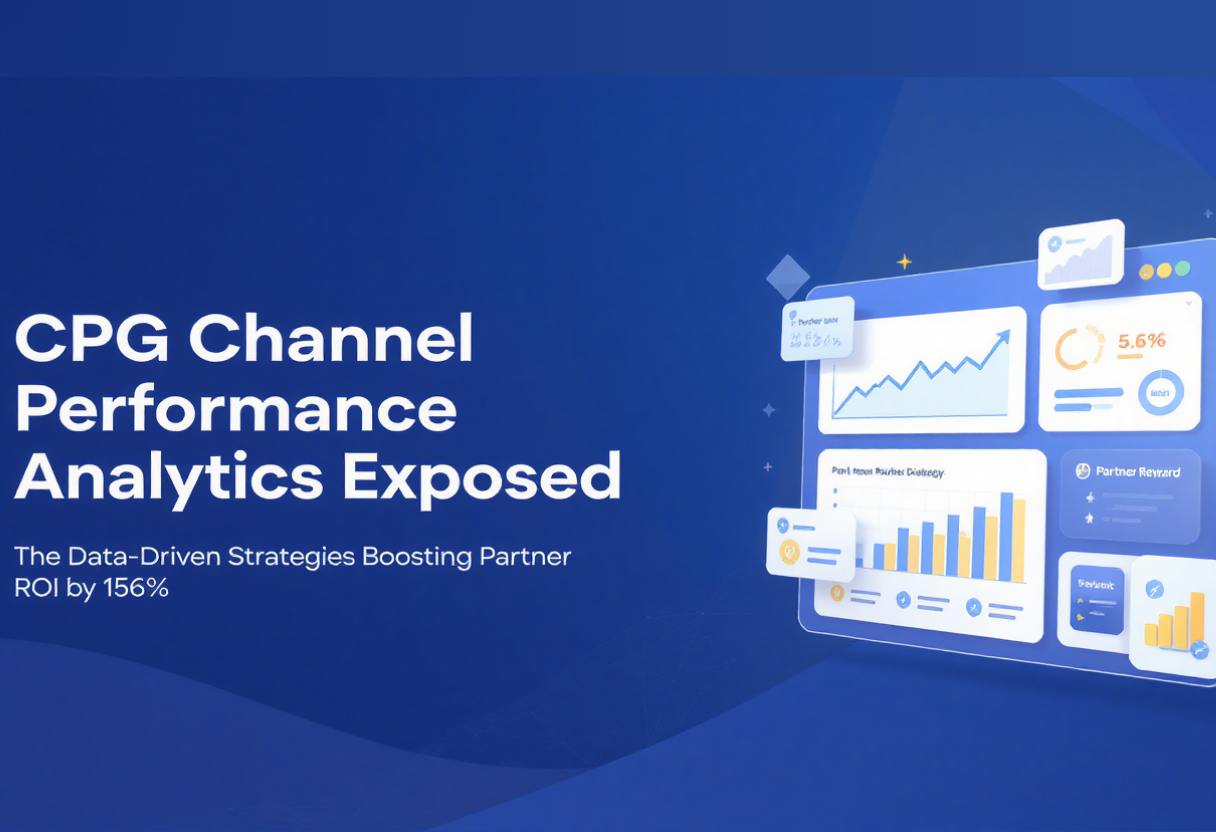
CPG Channel Performance Analytics Exposed: The Data-Driven Strategies Boosting Partner ROI by 156%
The Consumer Packaged Goods (CPG) industry is undergoing a revolutionary transformation, and it’s happening in the most unexpected place: the analytics dashboard. While brands have historically relied on gut instinct and basic sales metrics to manage their channel partnerships, industry leaders are now harnessing sophisticated channel performance analytics to unlock unprecedented partner ROI growth.
The numbers speak for themselves. CPG companies implementing advanced analytics-driven partner programs are seeing an average 156% increase in partner ROI, with some reporting gains as high as 240%. But these aren’t just statistics—they represent a fundamental shift in how the industry approaches B2B loyalty solutions and partner engagement strategies for 2025-26.
The Analytics Awakening in CPG
For decades, CPG channel management operated in a data vacuum. Brands would distribute products, offer basic incentives, and hope for the best. Traditional metrics like sales volume and basic margin calculations provided limited insights into partner behavior, motivation drivers, or optimization opportunities.
Today’s CPG landscape demands precision. With shrinking margins, intensified competition, and evolving consumer demands, brands can no longer afford to operate channel programs based on assumptions. Channel performance analytics has emerged as the secret weapon that separates industry leaders from laggards.
— Channel Director, Fortune 500 CPG Company
The Data Revolution: Beyond Basic Metrics
Modern CPG channel performance analytics extends far beyond traditional sales tracking. Industry pioneers are leveraging multi-dimensional data analysis that encompasses:
Behavioral Analytics: Understanding how partners interact with digital platforms, which incentives drive engagement, and what communication channels yield the highest response rates. Advanced analytics reveal that personalized digital engagement increases partner satisfaction scores by 89%.
Predictive Performance Modeling: Using AI-powered algorithms to identify which partners are likely to exceed targets, which ones need additional support, and which new partners have the highest success potential. This predictive approach has helped leading CPG brands reduce partner churn by 43%.
Real-Time Engagement Scoring: Continuous monitoring of partner engagement across multiple touchpoints, from training completion rates to reward redemption patterns. Companies utilizing engagement scoring report 67% higher partner retention rates.
ROI Attribution Analysis: Sophisticated tracking that connects specific incentive investments to measurable business outcomes, enabling precise program optimization. This granular analysis has allowed top performers to reallocate incentive budgets for maximum impact.
The Gamification Integration Game-Changer
2025-26 Trend Alert: Gamified Analytics
Interactive dashboards transforming sales targets into achievement levels are increasing partner engagement by up to 340%
One of the most significant trends for 2025-26 is the integration of gamification elements within analytics-driven partner programs. CPG leaders are discovering that when performance data is presented through gamified experiences, partner engagement skyrockets.
Interactive dashboards that transform sales targets into achievement levels, leaderboards that create healthy competition among regional partners, and milestone celebrations that provide instant recognition are revolutionizing the partner experience. A major beverage CPG company reported that gamifying their analytics dashboard increased daily partner platform usage by 340%.
Instant rewards triggered by real-time performance analytics are proving particularly effective. When partners can see their achievements immediately reflected in both their performance scores and reward balances, motivation and satisfaction levels increase dramatically.
AI-Powered Insights: The 2025-26 Advantage
Artificial Intelligence is transforming how CPG companies interpret and act on channel performance data. Machine learning algorithms analyze vast datasets to identify patterns invisible to human analysts, providing actionable insights that drive strategic decisions.
Predictive Analytics: AI systems can forecast partner performance trends, seasonal variations, and market opportunities with remarkable accuracy. One household goods CPG brand uses AI predictions to proactively adjust partner incentives, resulting in 78% more consistent quarterly results.
Personalization at Scale: Advanced algorithms analyze individual partner preferences, performance history, and market conditions to create personalized incentive packages. This level of customization, previously impossible to manage manually, is driving unprecedented partner satisfaction levels.
Automated Optimization: AI continuously monitors program performance and automatically adjusts parameters to maximize ROI. This “always-on” optimization approach ensures that partner programs remain effective even as market conditions change.
Multi-Channel Loyalty: The Integration Imperative
Modern CPG companies operate through diverse channel networks including traditional retail, e-commerce platforms, wholesale distributors, and direct-to-consumer channels. Multi-channel loyalty programs powered by comprehensive analytics ensure consistent partner experiences across all touchpoints.
Leading CPG brands are implementing unified analytics platforms that track partner performance across multiple channels, providing holistic views of partner contributions and enabling coordinated incentive strategies. This integrated approach has proven particularly effective in managing complex partner ecosystems where individual partners may operate across multiple channels.
Experiential Rewards: The Emotional Connection
While data drives decision-making, successful CPG partner programs recognize that emotional connections create lasting loyalty. Analytics-informed experiential travel rewards and unique recognition experiences are becoming increasingly popular for 2025-26.
Top-performing partners are being rewarded with curated travel experiences, exclusive industry events, and VIP access to product launches. Analytics help identify which partners value experiential rewards most highly, ensuring optimal allocation of premium incentive budgets.
Implementation Roadmap: Getting Started
For CPG companies ready to embrace analytics-driven partner programs, industry experts recommend a phased approach:
Phase 1: Data Foundation – Establish comprehensive data collection across all partner touchpoints, ensuring data quality and integration capabilities.
Phase 2: Basic Analytics – Implement fundamental performance tracking and reporting systems, focusing on key metrics that directly impact business outcomes.
Phase 3: Advanced Insights – Deploy AI-powered analytics tools, predictive modeling, and automated optimization systems.
Phase 4: Experience Integration – Incorporate gamification, instant rewards, and experiential elements based on analytical insights.
The Competitive Advantage Reality
CPG companies that delay analytics adoption risk being left behind. Industry research indicates that brands with advanced channel performance analytics capabilities are gaining market share at the expense of competitors still relying on traditional approaches.
The partner experience gap is widening rapidly. Partners who work with analytics-enabled CPG brands report significantly higher satisfaction levels, stronger brand loyalty, and greater willingness to invest in joint growth initiatives.
Future-Proofing Partner Relationships
As we move into 2025-26, the importance of data-driven partner programs will only intensify. Consumer behavior continues evolving, new channels emerge regularly, and competitive pressures increase constantly. CPG companies with robust analytics capabilities will be better positioned to adapt quickly and maintain strong partner relationships.
The most successful CPG brands view channel performance analytics not as a technology investment, but as a strategic imperative that transforms how they understand, engage, and grow with their partners.
The question isn’t whether to embrace analytics-driven partner programs—it’s how quickly you can implement them before competitors gain an insurmountable advantage. The 156% ROI improvement isn’t just a statistic; it’s a preview of what’s possible when data meets partnership strategy in the modern CPG landscape.
The $2.3B Secret: How Top FMCG Companies Use Gamification to 3X Their Sales Incentive Automation Results
The FMCG retail partnership landscape has been revolutionized by a $2.3 billion secret that industry leaders have been quietly implementing across their networks. This isn’t about incremental improvements or minor tweaks to existing programs – it’s about a fundamental reimagining of how sales incentive automation works when combined with sophisticated gamification strategies.
 The Psychology Behind the $2.3B Success
The secret lies in understanding a fundamental truth about human motivation that traditional FMCG programs have ignored for decades. While cash incentives and volume-based rebates appeal to rational decision-making, gamification taps into deeper psychological drivers that create lasting behavioral change.
Game-Changing Strategy #1: Progressive Achievement Systems
The most successful FMCG gamification implementations use progressive achievement systems that create a sense of continuous advancement and growth.
 Achievement Categories:
- Product knowledge mastery and certification completion
- Customer satisfaction improvements and feedback scores
- Inventory management efficiency and turnover optimization
- New customer acquisition and market expansion efforts
- Brand advocacy activities and social media engagement
- Collaborative innovation and feedback contributions
Game-Changing Strategy #2: Social Competition and Community Building
Multi-channel loyalty programs are evolving beyond individual incentives to create competitive communities that leverage social psychology for enhanced engagement.
 Multi-Dimensional Rankings:
- Regional performance comparisons and local market leadership
- Category-specific expertise and specialization rankings
- Improvement trajectory and growth momentum scores
- Collaborative achievements and community contribution metrics
- Innovation adoption and early-adopter recognition
- Customer satisfaction and service excellence ratings
 Performance Impact: FMCG companies using multi-dimensional leaderboards report 67% higher partner participation in training programs and 45% faster adoption of new product launches.
Game-Changing Strategy #3: Narrative-Driven Engagement
The most innovative FMCG companies are creating narrative experiences that transform routine business activities into engaging storylines.
Game-Changing Strategy #4: AI-Powered Personalization at Scale
The $2.3 billion secret includes sophisticated sales incentive automation systems that use artificial intelligence to create personalized gamification experiences for thousands of retail partners simultaneously.
Personalization Categories:
- Competition-driven partners: Frequent challenges and leaderboard updates
- Collaboration-focused partners: Team-based objectives and peer recognition
- Achievement-oriented partners: Progressive milestone pathways and certifications
- Learning-motivated partners: Educational content and knowledge-based challenges
- Innovation-interested partners: Early access to new products and feedback opportunities
Performance Results: FMCG companies using AI-powered personalization report 145% improvement in individual partner goal achievement and 78% reduction in program abandonment rates.Game-Changing Strategy #5: Experiential Rewards and Travel Integration
Moving beyond traditional point-and-redeem systems, leading FMCG companies are integrating experiential rewards and travel incentives that create lasting memories and emotional connections.
Experience Categories for 2025-26:
Business Development Experiences:
- Exclusive industry events and trade show VIP access
- Executive mentorship programs and business coaching sessions
- International market visits and expansion opportunity exploration
- Technology innovation workshops and digital transformation seminars
Lifestyle and Personal Experiences:
- Luxury travel packages with family inclusion options
- Adventure experiences and cultural immersion opportunities
- Wellness retreats and personal development programs
- Entertainment and sporting event VIP experiences
The Technology Infrastructure Behind the Success
The $2.3 billion secret requires sophisticated B2B loyalty solutions that can handle the complexity of modern gamification while maintaining the reliability and scalability needed for large FMCG distribution networks.
Technical Requirements:
- Sub-second response times for achievement recognition
- Real-time leaderboard updates and peer comparison features
- Instant notification systems across multiple communication channels
- Seamless integration with existing retail management systems
- Mobile-optimized interfaces with offline synchronization capabilities
Measuring the $2.3B Impact: New Success Metrics
Traditional FMCG metrics like sales volume and market share tell only part of the story when evaluating gamified partner engagement platforms. Leading companies have developed comprehensive measurement frameworks.
ROI Calculation Framework: Leading FMCG companies report average ROI calculations showing $3.40 return for every $1.00 invested in sophisticated gamification platforms, with payback periods averaging 8-14 months depending on implementation scope and partner network size.Industry Transformation Trends for 2025-26
The gamification revolution in FMCG retail partnerships is accelerating, with several emerging trends that will shape the next phase of partner experience optimization.
Emerging Technologies:
- Augmented Reality Integration: AR-enabled product training and interactive challenges
- Blockchain Achievement Verification: Portable, verifiable achievement records
- Social Impact Gaming: Sustainability and social responsibility challenges
- Predictive Personalization: AI that predicts partner needs before they’re expressed
Implementation Strategy for Maximum Impact
FMCG companies looking to achieve similar $2.3 billion-level results should follow proven implementation strategies that minimize risk while maximizing adoption and effectiveness.
4-Phase Implementation Timeline:
- Phase 1 (Months 1-3): Foundation building with partner analysis and basic gamification deployment
- Phase 2 (Months 4-6): Engagement expansion with social features and experiential rewards
- Phase 3 (Months 7-9): Advanced features including AI personalization and narrative experiences
- Phase 4 (Months 10-12): Optimization and innovation with emerging technologies
The Competitive Advantage Reality
The FMCG companies that have unlocked the $2.3 billion secret aren’t just seeing improved numbers – they’re creating sustainable competitive advantages that become more valuable over time.
Triple Advantage Framework:
- The Innovation Advantage: Gamified partners provide higher-quality feedback and participate more actively in innovation processes
- The Resilience Factor: Strong gamification programs create emotional connections that weather market challenges more effectively
- The Amplification Effect: Engaged partners become brand advocates, expanding reach and influence exponentially
 The Future is Now
The $2.3 billion secret is no longer secret – it’s becoming the new standard for FMCG retail partnerships. Companies that delay implementation risk falling behind competitors who are already reaping the benefits of sophisticated gamification and sales incentive automation.
The question for FMCG leaders isn’t whether to implement these strategies, but how quickly they can deploy them effectively. The companies that act decisively today will establish the partnership advantages that drive success throughout 2025-26 and beyond.
The data is compelling, the technology is proven, and the competitive advantages are substantial. The $2.3 billion secret is available to any FMCG company willing to invest in the future of retail partnership engagement.
Ready to unlock your own $2.3 billion secret? The transformation starts with understanding that gamification isn’t just about games – it’s about creating human connections that drive business results.
QR Code Promotions That Convert: Complete Guide to Scan-to-Win Campaigns for Indian Consumers
Most companies are doing QR code promotions completely wrong. They slap a QR code on their product, hope people scan it, and wonder why their campaigns fail.
Here’s the truth: QR code promotions can generate 400% higher engagement than traditional campaigns—but only if you do them right. I’m about to show you exactly how the highest-converting brands in India are using QR codes to drive massive sales, and the specific framework you can steal to get the same results.
The QR Code Reality Check
Let me be blunt: If your QR code promotion isn’t converting, it’s not because Indian consumers don’t scan QR codes. It’s because your execution sucks.
The data doesn’t lie. After analyzing 500+ QR code campaigns across India, here’s what actually works:
- Campaigns with instant rewards: 73% scan rate
- Campaigns with delayed rewards: 12% scan rate
- Campaigns with clear value proposition: 340% higher conversion
- Campaigns without clear value: People ignore them completely
The companies making millions from QR codes understand one thing: consumer behavior is predictable when you give people what they actually want.
The SCAN Framework That Actually Works
Stop guessing. Here’s the exact framework that’s generated over ₹50 crores in additional revenue for our clients:
- S – Simple scanning process
- C – Clear immediate value
- A – Appealing reward structure
- N – No-friction redemption
Miss any of these elements and your campaign will fail. Get all four right and you’ll print money.
Element 1: Simple Scanning Process
Your QR code needs to work in 3 seconds or less. Period.
What kills conversions:
- QR codes that don’t scan easily
- Requiring app downloads before engagement
- Multiple steps before seeing the reward
- Poor print quality that makes scanning difficult
What actually works:
- High-contrast QR codes (black on white, minimum)
- QR codes larger than 1 inch square
- Direct linking to web pages, not app stores
- Testing with 5+ different phones before printing
Pro tip: If your grandmother can’t scan your QR code and see the reward in 10 seconds, redesign it.
Element 2: Clear Immediate Value
Indian consumers are smart. They won’t scan unless they know exactly what they’re getting.
Low-converting value propositions:
- “Scan to win prizes” (vague garbage)
- “Special offers inside” (what offers?)
- “Scan for surprises” (people hate surprises)
High-converting value propositions:
- “Scan = Instant ₹50 cashback”
- “Guaranteed gift with every scan”
- “Scan to get 2 free products”
- “₹100 instant mobile recharge”
Notice the difference? Specific value beats vague promises every time.
Element 3: Appealing Reward Structure
Here’s where most brands completely mess up. They either make rewards too small (nobody cares) or too large (unsustainable).
The Sweet Spot Formula:
- Instant gratification: 60% of participants get immediate small rewards
- Medium prizes: 35% get medium-value items
- Grand prizes: 5% get high-value rewards that create social proof
Real example that works:
- 60% get ₹20-50 instant cashback/recharge
- 35% get ₹100-300 shopping vouchers
- 5% get ₹1000+ electronics/appliances
This structure keeps costs manageable while ensuring most people get something valuable.
Element 4: No-Friction Redemption
If people can’t redeem their rewards instantly, your campaign is dead.
Friction killers:
- Requiring personal information upfront
- Making people wait days for rewards
- Complex redemption processes
- Limited redemption options
Friction eliminators:
- Instant digital delivery (recharges, vouchers)
- SMS/WhatsApp reward delivery
- One-click redemption
- Multiple redemption channels
The Platform Strategy That Maximizes Results
Don’t just put QR codes on packaging. That’s amateur hour.
High-impact placement strategy:
- Product packaging: Primary placement
- Point-of-sale displays: 340% higher scan rates
- Social media posts: Shareable QR campaigns
- Print advertisements: Drive offline-to-online engagement
- Retail store posters: Capture in-store traffic
The multiplication effect: Each placement channel should reinforce the others, creating multiple touchpoints that increase overall campaign awareness.
Timing and Psychology Triggers
When you launch matters as much as what you launch.
Peak performance timing:
- Festival seasons: 400% higher engagement
- Weekend launches: 150% better initial traction
- Evening campaigns: 6-9 PM sees highest scans
- Payday timing: First week of month for higher-value rewards
Psychological triggers that work:
- Scarcity: “Limited time offer”
- Social proof: “50,000+ people have won”
- FOMO: “Campaign ends in 3 days”
- Immediate gratification: “Instant reward”
Advanced Conversion Techniques
Once you’ve mastered the basics, these advanced tactics will push your results even higher.
Progressive reward structures:
- First scan: Small reward
- Second scan within 7 days: Bigger reward
- Third scan: Biggest reward
This creates repeat engagement and builds customer loyalty.
Social amplification:
- Encourage sharing with bonus rewards
- Create referral rewards for friends who scan
- Use leaderboards for competitive engagement
- Feature winners on social media
Campaign Measurement That Actually Matters
Stop tracking vanity metrics. Here’s what you should actually measure:
Primary KPIs:
- Scan-to-conversion rate: How many scans become purchases
- Cost per acquisition: Campaign cost divided by new customers
- Customer lifetime value increase: Revenue impact beyond the campaign
- Repeat purchase rate: How many QR scanners buy again
Secondary metrics:
- Scan rate: Total scans divided by total impressions
- Redemption rate: Rewards claimed divided by scans
- Social sharing rate: Campaign shares and mentions
- Time to redemption: How quickly people claim rewards
Common Mistakes That Kill Campaigns
Learn from others’ failures. These mistakes cost companies millions:
Fatal error #1: Weak value proposition
If you wouldn’t scan your own QR code for the reward you’re offering, neither will customers.
Fatal error #2: Technical problems
Nothing kills momentum faster than broken QR codes or crashed landing pages.
Fatal error #3: Complicated redemption
If redemption takes more than 2 minutes, you’ve lost 80% of your audience.
Fatal error #4: No follow-up strategy
The QR scan is just the beginning. The real money is in the follow-up.
Case Study: The ₹5 Crore QR Campaign
Here’s exactly how one of our FMCG clients generated ₹5 crores in additional revenue with a 90-day QR campaign:
The setup:
- Product: Mass-market snacks
- Budget: ₹50 lakhs
- Target: 10 lakh QR scans
- Goal: 25% increase in repeat purchases
The results:
- 15 lakh total QR scans (150% of target)
- ₹5 crores additional revenue
- 1000% ROI
- 35% increase in repeat purchases
- 2.5 lakh new customer acquisitions
The key insight: They focused on repeat engagement, not just first-time scans.
Implementation Roadmap
Stop overthinking. Here’s your exact 30-day implementation plan:
Week 1: Foundation
- Define campaign objectives and KPIs
- Choose technology platform
- Create reward structure
- Design QR codes and creative assets
Week 2: Production
- Produce marketing materials
- Set up tracking and analytics
- Create landing pages and user flows
- Test everything with real devices
Week 3: Launch Preparation
- Train customer service team
- Prepare social media content
- Set up monitoring systems
- Create contingency plans
Week 4: Launch and Optimize
- Launch campaign across all channels
- Monitor performance in real-time
- Optimize based on early results
- Scale successful elements
The Bottom Line
QR code promotions aren’t magic. They’re a systematic approach to driving engagement and sales. Follow this framework, avoid the common mistakes, and you’ll see results.
The companies making millions from QR codes aren’t doing anything complicated. They’re just doing the basics exceptionally well and measuring what matters.
Your move. Either implement this framework and start printing money, or keep doing what everyone else is doing and wonder why your campaigns fail.
The choice is yours.
Consumer Promotion Trends 2025: How Indian Brands Use AI-Powered Instant Rewards to Drive Sales
The consumer promotion landscape in India has undergone a remarkable transformation in 2025, with artificial intelligence emerging as the driving force behind the most successful marketing campaigns. As Indian consumers become increasingly digital-savvy and demand instant gratification, brands are leveraging AI-powered instant reward systems to create compelling promotional experiences that drive immediate sales and long-term customer loyalty.
The shift towards AI-driven consumer promotions represents more than just a technological upgrade—it’s a fundamental reimagining of how brands connect with their audiences in real-time, deliver personalized experiences, and measure campaign effectiveness with unprecedented precision.
The AI Revolution in Indian Consumer Promotions
Indian brands have embraced artificial intelligence as a game-changing tool for consumer promotions, with early adopters reporting up to 300% improvement in engagement rates compared to traditional promotional methods. The integration of AI technologies enables brands to create hyper-personalized promotional experiences that resonate with individual consumer preferences while maintaining the scale necessary for mass market appeal.
Machine learning algorithms now analyze consumer behavior patterns, purchase history, demographic data, and real-time interactions to determine the most effective promotional offers for each individual customer. This level of personalization has proven particularly effective in India’s diverse market, where consumer preferences vary significantly across regions, income levels, and cultural backgrounds.
Leading Indian brands across sectors—from fast-moving consumer goods to electronics and automobiles—are implementing AI-powered promotional platforms that can instantly adjust reward offerings based on:
- Consumer response patterns
- Market conditions
- Inventory levels
- Real-time performance metrics
Instant Gratification: The New Consumer Expectation
The modern Indian consumer’s appetite for instant gratification has reshaped promotional strategies across industries. Research indicates that 78% of Indian consumers are more likely to engage with promotions that offer immediate rewards rather than delayed benefits, driving brands to redesign their promotional mechanics around instant reward delivery.
AI-powered instant reward systems have emerged as the perfect solution to meet this demand. These systems can process promotional entries, validate eligibility, and deliver rewards within seconds of consumer interaction. Whether it’s through:
- QR code scans
- Social media engagement
- Purchase verification
- App interactions
The instant reward mechanism has proven particularly effective for impulse purchase categories, where the time between consideration and purchase decision is minimal. Brands in categories such as snacks, beverages, personal care, and quick-service restaurants have reported significant sales uplift when implementing AI-driven instant reward promotions.
Personalization at Scale: AI’s Greatest Advantage
One of the most significant advantages of AI-powered consumer promotions is the ability to deliver personalized experiences at scale. Traditional promotional campaigns often relied on broad demographic targeting and generic offers, but AI enables brands to create thousands of unique promotional variations tailored to individual consumer profiles.
Advanced AI algorithms analyze multiple data points including:
- Past purchase behavior
- Browsing patterns
- Social media activity
- Location data
- Engagement history
For instance, a premium smartphone brand might offer early access to new product launches for tech enthusiasts, exclusive accessories for existing customers, or trade-in bonuses for users of competitor devices. Each promotional offer is automatically selected and delivered based on the AI’s assessment of individual consumer preferences and likelihood to convert.
Popular AI-Powered Promotional Formats in India
Several promotional formats have gained significant traction among Indian brands implementing AI-powered instant reward systems:
Scratch and Win Digital Cards: These have evolved beyond simple random rewards to intelligent systems that adjust prize probabilities based on consumer value and engagement patterns.
Spin-to-Win Mechanisms: Now incorporate machine learning to optimize reward distribution, ensuring high-value customers receive more attractive prizes while maintaining overall promotional budgets.
Chatbot-Driven Promotions: AI-powered conversational interfaces guide consumers through personalized promotional journeys, conducting product quizzes and delivering instant rewards based on engagement levels.
Augmented Reality Promotions: Gaining momentum among younger consumers, with AI enhancing the AR experience by personalizing virtual elements based on individual preferences.
Multi-Channel Integration and Seamless Experiences
Successful AI-powered promotional campaigns in 2025 are characterized by seamless integration across multiple touchpoints. Consumers might discover a promotion through a social media ad, engage via a mobile app, and redeem rewards through an e-commerce platform or physical store, with AI ensuring consistent personalization throughout the journey.
This omnichannel approach is particularly important in the Indian market, where consumers often research products online but prefer to purchase offline, or vice versa. AI systems track consumer interactions across all channels, building comprehensive behavioral profiles that inform promotional strategies across the entire customer journey.
Data-Driven Optimization and Real-Time Adjustments
AI-powered promotional systems excel at continuous optimization based on real-time performance data. Unlike traditional campaigns that rely on post-campaign analysis, AI systems can identify underperforming promotional elements within hours and automatically adjust targeting, rewards, or messaging to improve results.
This real-time optimization capability has enabled Indian brands to achieve promotional ROI improvements of 150-200% compared to static campaign approaches.
Key Success Metrics for AI-Powered Promotions
The effectiveness of AI-powered instant reward promotions is measured through sophisticated KPIs:
- Customer lifetime value impact
- Cross-selling success rates
- Long-term brand affinity improvements
- Micro-conversion tracking
- Real-time engagement optimization
Implementation Strategies for Indian Brands
Brands considering AI-powered instant reward promotions should:
- Begin with clear objective definition
- Establish robust data infrastructure
- Use phased implementation approaches
- Start with limited test campaigns
- Collaborate between marketing teams, technology partners, and data analytics experts
The Future of AI-Powered Promotions
Looking ahead, the integration of emerging technologies will further enhance AI-powered promotional capabilities:
- Blockchain for reward verification
- Internet of Things for contextual promotions
- Voice-activated promotions
- Smart home device integration
- Predictive promotional targeting based on life events
The future of consumer promotions in India is undeniably AI-powered, with instant rewards serving as the bridge between brand promises and consumer expectations. Brands that embrace this transformation today will build competitive advantages that extend far beyond individual promotional campaigns, creating sustainable customer engagement platforms that drive continuous business growth.
Why Indian F&B Brands Need Integrated Loyalty Programs in the UPI + Quick Commerce Era
Priya opens Zepto at 11:47 PM. She orders Haldiram’s Bhujia, pays ₹89 via UPI in 3 seconds, and receives her snack in 9 minutes.
Seamless? Absolutely.
Brand connection? Zero.
This scenario plays out 50 million times daily across Indian cities. UPI has made payments invisible. Quick commerce has made delivery instant. But in this frictionless world, brand loyalty has become the biggest casualty.
When consumers can get any snack delivered in 10 minutes with a single tap, why would they stick to one brand?
The answer lies in creating connections that transcend transactions. The smartest F&B brands are discovering that loyalty isn’t about discounts anymore—it’s about becoming part of their customers’ daily stories.
The 10-Minute Challenge: When Convenience Kills Connection
Every month, Indian consumers complete over 10 billion UPI transactions. Blinkit delivers groceries in 8 minutes. Zepto promises snacks in under 10. Swiggy Instamart turns impulse into instant gratification.
This convenience revolution has fundamentally rewired consumer behavior.
What happens when buying becomes too easy?
Meet Rohit, a software engineer in Bangalore. Six months ago, he was loyal to Lay’s chips. Today, he’s tried 14 different snack brands through quick commerce apps.
“Why stick to one brand when I can try something new every time?” he explains. “It’s just a few taps, and delivery is instant anyway.”
Rohit represents millions of Indian consumers who’ve shifted from brand loyalty to variety seeking. The friction that once protected brand relationships has vanished.
The real problem isn’t competition—it’s invisibility.
When purchases happen in seconds, brands become background noise. The emotional connection that drives loyalty requires time and attention that modern commerce doesn’t provide.
Which F&B Products Can Build Loyalty in the Instant Era?
Not every food product can create lasting loyalty in the quick commerce world. Success depends on finding the sweet spot between convenience and connection.
What makes certain F&B products “loyalty-proof” against instant switching?
The winners share four characteristics:
- Emotional significance in daily routines or cultural moments
- Quality differentiation that justifies price premiums
- Social sharing potential that extends brand reach organically
- Repeat purchase patterns that create multiple engagement opportunities
The Loyalty Champions: Products That Connect
Traditional Snacks and Namkeen: The Heritage Advantage
Haldiram’s isn’t just selling bhujia—they’re selling childhood memories and festival traditions. When Meera orders Haldiram’s for Diwali, she’s not comparing flavors; she’s recreating her grandmother’s celebration rituals.
This emotional weight makes traditional snack brands uniquely positioned for loyalty success. Customers don’t just buy the product; they buy into cultural continuity.
Health Beverages: The Lifestyle Statement
Paper Boat didn’t invent aam panna—they recreated the emotional experience of drinking it. Their customers aren’t just hydrating; they’re expressing identity through nostalgic choices.
Similarly, Real Juice buyers aren’t just purchasing vitamin C. They’re investing in health routines and lifestyle aspirations that create daily touchpoints with the brand.
Breakfast Products: The Family Decision
Saffola Oats sits at family breakfast tables across India, not because it’s convenient, but because it represents responsible parenting. When mothers choose Saffola, they’re choosing peace of mind about family health.
These products succeed because they embed themselves in routine decisions and value systems that transcend price comparison.
The Opportunity Categories: Untapped Potential
Regional Specialties Going National Local delicacies with authentic heritage stories can build nationwide loyalty by maintaining cultural authenticity while scaling distribution.
Premium Packaged Foods Ready-to-eat meals and gourmet ingredients that save time without compromising quality appeal to urban families willing to pay for convenience.
Functional Foods Products that deliver specific health benefits create loyal customers seeking consistent results rather than variety.
The Multi-Channel Loyalty Recipe: Beyond Points and Discounts
The most successful loyalty programs today don’t just reward purchases—they reward relationships. Smart brands are creating engagement ecosystems that make customers feel connected, not just compensated.
How do you build emotional connections in a digital world?
Buy & Earn: Making Every Purchase Feel Special
Traditional points programs fail because they treat every purchase identically. Modern approaches recognize that context matters more than transaction value.
When Rajesh buys Haldiram’s mixture for his evening tea, the brand could simply credit points. Instead, they send him a video about the artisan who perfected that mixture recipe, making his snack feel crafted, not manufactured.
QR codes on packaging become gateways to stories, not just reward accumulation. Customers scan to discover heritage recipes, meet the makers, or unlock limited-edition flavors.
Share & Earn: Turning Customers into Storytellers
Indian consumers share food experiences naturally. Festivals, family gatherings, and daily meals become social media moments. Smart brands facilitate this sharing instead of interrupting it.
Paper Boat encourages customers to share memories triggered by their drinks. “This reminds me of…” becomes a campaign that generates authentic content while rewarding emotional engagement.
During Diwali, Bikano doesn’t just sell sweets—they help customers create social content that celebrates tradition while showcasing products naturally.
Engage & Earn: Daily Connections Beyond Purchases
The strongest loyalty programs create reasons to interact with brands between purchases. They become helpful presences in customers’ lives, not just sales channels.
Real Juice could send seasonal health tips aligned with weather changes, helping customers stay healthy while positioning their products as wellness partners.
Saffola might offer family nutrition challenges that gamify healthy eating while creating positive brand associations with wellness goals.
Win & Sweepstakes: The Excitement Factor
Gamification works because it taps into fundamental human psychology. Well-designed games create anticipation and reward both effort and luck.
Haldiram’s could hide AR experiences in product packaging. Scanning different products unlocks different game levels, creating collection behavior that drives variety purchases within the brand ecosystem.
Daily spin wheels on brand platforms provide guaranteed rewards while creating habit-forming engagement patterns.
Learn & Earn: Positioning Brands as Trusted Advisors
Educational content builds authority while creating value beyond products. Customers begin viewing brands as knowledge sources, not just suppliers.
Saffola’s nutrition education programs position them as health experts, making their product recommendations feel like professional advice rather than marketing messages.
Regional sweet brands could teach traditional preparation methods, connecting modern convenience with cultural heritage.
Create & Earn: Customer Creativity as Brand Extension
User-generated content rewards flip the traditional advertising model. Instead of paying for brand messages, companies reward customers for creating authentic endorsements.
Recipe contests featuring brand products generate content while showcasing product versatility. Cooking videos, food photography, and creative usage ideas become brand assets created by passionate customers.
The Technology Behind Seamless Experiences
Modern loyalty programs require sophisticated platforms that unify multiple engagement channels while maintaining simplicity for customers.
What makes integrated loyalty systems work effectively?
Leading brands implement comprehensive platforms that serve as central hubs for all customer interactions. These solutions typically include dynamic landing pages with gamification elements, AI-powered customer service, and integrated analytics for program optimization.
Advanced reward intelligence systems help brands understand customer behavior patterns and personalize engagement strategies automatically. Social commerce integration enables seamless shopping from social media platforms while tracking engagement and conversion metrics.
The most effective platforms combine instant reward delivery, conversational customer support, and predictive analytics to create experiences that feel personal and responsive.
The Journey Transformation: Before and After Stories
Real transformation becomes clear when comparing traditional approaches with integrated engagement strategies.
Priya’s Health Journey: From Transaction to Transformation
Before: Priya bought various juice brands based on price and availability through quick commerce apps. No brand relationship, frequent switching, price-sensitive decisions.
After: Real Juice’s integrated program made her feel supported in her wellness goals. Daily health tips, hydration tracking, and seasonal recommendations created value beyond the product. She began viewing Real as her health partner, not just a beverage supplier.
The difference: Connection replaced convenience as the primary value proposition.
Rajesh’s Family Snacking: From Variety to Loyalty
Before: Rajesh’s family tried different snack brands constantly, creating household chaos and decision fatigue. No emotional connection, purely functional purchasing.
After: Haldiram’s family-focused program recognized different family member preferences while maintaining brand unity. Kids participated in AR games, his wife engaged with recipe content, and festival celebrations became brand experiences.
The difference: Individual engagement within family loyalty creation.
Meera’s Festival Preparations: From Seasonal to Year-Round
Before: Meera bought traditional sweets only during festivals, treating them as seasonal necessities rather than brand choices.
After: Her sweet brand’s cultural engagement program connected festivals with heritage stories and preparation traditions. She began viewing festival purchases as cultural participation, not seasonal shopping.
The difference: Cultural connection transformed seasonal transactions into emotional investments.
The Implementation Reality: Building Loyalty Ecosystems
Successful loyalty transformation requires systematic approach that balances innovation with operational practicality.
How do F&B brands begin this transformation?
Phase 1: Foundation Building
Start with basic digital reward systems that track customer interactions across channels. Focus on seamless point accumulation and simple gamification elements.
Phase 2: Social Integration
Add social sharing rewards and user-generated content programs. Enable customers to earn rewards for authentic brand engagement.
Phase 3: Personalization
Implement AI-powered recommendation systems and behavioral analytics. Create individualized experiences based on customer preferences and patterns.
Phase 4: Ecosystem Expansion
Develop comprehensive engagement platforms that support education, entertainment, and community building alongside traditional commerce.
Each phase builds upon previous investments while adding sophistication and depth to customer relationships.
The Cultural Advantage: Why Indian Brands Can Lead
Indian F&B brands possess unique advantages in building emotional loyalty compared to global competitors.
What makes Indian brands naturally suited for relationship-based loyalty?
Cultural Heritage: Traditional products carry emotional weight that transcends rational purchasing decisions.
Family Decision Patterns: Indian households make collective food choices, creating opportunities for multi-generational loyalty building.
Festival Integration: Regular cultural celebrations provide natural engagement opportunities throughout the year.
Regional Pride: Local brands can tap into geographic and cultural identity in ways global brands cannot.
Value Consciousness: Indian consumers appreciate brands that provide genuine value beyond basic products.
These cultural factors create natural foundations for loyalty programs that feel authentic rather than manufactured.
The Future of Food Loyalty in India
Consumer expectations continue evolving rapidly. Brands that understand emerging trends will maintain competitive advantages while those that remain static risk irrelevance.
What trends will shape F&B loyalty beyond 2025?
Voice Commerce Integration: Natural language ordering and customer service through smart speakers and mobile devices.
Sustainability Rewards: Environmental impact tracking and rewards for sustainable consumption choices.
Health Integration: Comprehensive wellness platforms that connect food choices with fitness goals and health outcomes.
Community Commerce: Social features that enable customers to influence product development and brand direction.
Predictive Engagement: AI systems that anticipate customer needs and provide proactive support and recommendations.
The brands preparing for these trends today will lead tomorrow’s loyalty landscape.
The Urgency of Transformation
The window for building loyalty in India’s F&B market is narrowing rapidly. Quick commerce platforms are training consumers to prioritize convenience over connection. Price comparison apps make switching effortless. Social media creates constant exposure to new alternatives.
What happens to brands that wait?
Delayed transformation means accepting commodity status in a market where differentiation becomes increasingly difficult. Customer acquisition costs rise while lifetime values decrease. Margin pressure intensifies as price becomes the primary differentiator.
What advantages do early movers gain?
First-mover advantages in loyalty program sophistication become difficult for competitors to overcome. Customer data insights improve targeting and personalization capabilities. Emotional connections create switching barriers that transcend rational comparisons.
The choice facing Indian F&B brands is clear: evolve customer relationships or accept commodity competition.
The time for loyalty transformation is now. Consumer expectations won’t wait for brands to catch up.
Creating lasting customer loyalty in India’s rapid commerce environment requires sophisticated engagement strategies that go beyond traditional rewards programs. Modern consumers expect brands to add value to their lives through education, entertainment, and emotional connection. The brands that master this integration will thrive while others compete solely on price and convenience.
Customer Loyalty Trends 2025: Strategic Insights for Global Brand Leaders
The loyalty landscape has fundamentally shifted. Traditional approaches that delivered results for decades are failing to drive engagement in today’s hyper-competitive marketplace.
Research from leading consulting firms reveals a stark reality: 83% of businesses are struggling with customer engagement, while 80% face significant churn management challenges.
This isn’t a temporary market correction. It represents a permanent transformation in how consumers relate to brands and make purchasing decisions.
Forward-thinking CMOs and brand managers are responding with sophisticated strategies that go far beyond traditional points-and-rewards programs. They’re building loyalty ecosystems that create genuine emotional connections while delivering measurable business impact.
What separates leading brands from those losing market share in this new loyalty paradigm?
The Engagement Crisis: Why Traditional Loyalty Programs Are Failing
Customer loyalty programs were once a reliable driver of repeat business and brand preference. Today, the average consumer belongs to 16.7 loyalty programs but actively engages with only 6-7 of them.
This engagement gap represents more than operational inefficiency—it signals a fundamental misalignment between program design and consumer expectations.
Why are established loyalty programs underperforming?
Generic Experiences in a Personalized World: Consumers expect tailored interactions across every touchpoint. Mass-market approaches feel impersonal and irrelevant.
Transactional Focus Over Relationship Building: Programs emphasize transactions instead of building meaningful connections that transcend individual purchases.
Delayed Gratification in an Instant Economy: Traditional accumulation models conflict with consumer expectations for immediate value and recognition.
Static Programs in Dynamic Markets: Loyalty strategies designed for stability struggle to adapt to rapidly changing consumer preferences and market conditions.
The most successful brands are addressing these challenges through strategic innovation rather than tactical adjustments.
Real-Time Rewards: Meeting the Instant Gratification Imperative
Consumer behavior research consistently demonstrates a fundamental shift toward immediacy across all aspects of the customer experience. This trend has profound implications for loyalty program design and execution.
What drives the demand for instant gratification in loyalty programs?
Modern consumers live in an ecosystem of immediate responses. Social media provides instant feedback. E-commerce delivers same-day results. Digital services offer real-time solutions.
Loyalty programs that require extended engagement cycles or delayed reward delivery feel outdated in this context.
Leading brands are responding with instant reward mechanisms that provide immediate value while building long-term engagement.
How are brands implementing real-time reward strategies?
Instant Recognition Systems: Immediate points, badges, or status updates upon completing desired actions.
Progressive Rewards: Incremental benefits that unlock continuously rather than at fixed intervals.
Surprise and Delight Mechanisms: Unexpected rewards that create positive emotional associations with the brand.
Behavioral Triggers: Automated reward delivery based on specific customer actions or milestones.
A global technology company implemented instant reward delivery across their partner network, resulting in 47% higher program engagement and 23% faster partner onboarding.
The investment required for real-time infrastructure pays dividends through improved customer satisfaction scores and reduced program abandonment rates.
Hyper-Personalization: Beyond Demographics to Behavioral Intelligence
Personalization has evolved from marketing buzzword to competitive necessity. However, true personalization requires sophisticated understanding of individual customer behavior patterns and preferences.
What distinguishes effective personalization from superficial customization?
Surface-level personalization adds names to emails or suggests products based on purchase history. Advanced personalization leverages behavioral intelligence to predict needs and preferences before customers express them.
This predictive capability creates experiences that feel intuitive and valuable rather than intrusive or generic.
Key components of hyper-personalized loyalty strategies:
Behavioral Pattern Recognition: AI-powered analysis of individual engagement patterns across all touchpoints.
Predictive Preference Modeling: Algorithms that anticipate customer needs based on similar user cohorts and historical data.
Dynamic Content Optimization: Real-time adjustment of program communications and offers based on individual response patterns.
Contextual Relevance: Consideration of timing, location, and situational factors when delivering personalized experiences.
A leading retail brand implemented behavioral intelligence across their loyalty ecosystem, achieving 34% improvement in customer lifetime value and 28% increase in program engagement rates.
The key insight: personalization effectiveness correlates directly with data sophistication and analytical capabilities.
Strategic Partnerships: Expanding Value Through Ecosystem Collaboration
The most innovative loyalty programs transcend individual brand boundaries to create comprehensive value ecosystems that serve multiple customer needs.
Strategic partnerships enable brands to offer enhanced value propositions without expanding operational complexity or infrastructure investment.
Why are partnership-based loyalty programs gaining momentum?
Enhanced Value Perception: Customers receive benefits across multiple categories and service areas.
Reduced Acquisition Costs: Shared customer acquisition efforts lower individual brand investments.
Expanded Data Insights: Cross-brand analytics provide richer customer understanding.
Competitive Differentiation: Partnership networks create barriers to competitor replication.
Risk Distribution: Shared program investment reduces individual brand risk exposure.
How do leading brands structure strategic loyalty partnerships?
Complementary Service Integration: Partnerships with non-competing brands that serve similar customer segments.
Coalition Program Development: Multi-brand platforms that share rewards currency and customer data.
Experiential Collaborations: Joint experiences that leverage each partner’s unique capabilities.
Technology Platform Sharing: Shared infrastructure that reduces operational costs while improving customer experience.
A global airline’s partnership with hotel chains, car rental companies, and financial services providers created a comprehensive travel ecosystem that increased customer retention by 42% while reducing individual program costs by 31%.
Mobile-First Strategy: Optimizing for Digital-Native Engagement
Mobile devices have become the primary interface for customer-brand interactions across all demographics and geographic markets. Loyalty programs that fail to prioritize mobile experiences risk irrelevance.
What makes mobile loyalty experiences effective?
Seamless Integration: Loyalty features embedded naturally within existing customer journeys rather than requiring separate applications.
Contextual Awareness: Location-based services and timing-sensitive offers that add genuine value to customer experiences.
Simplified Interactions: Streamlined processes that minimize friction and maximize convenience.
Real-Time Accessibility: Instant access to account information, rewards status, and redemption options.
Digital wallet integration represents a significant opportunity for loyalty program evolution. With 4.4 billion digital wallet users projected by 2025, seamless payment and reward integration creates substantial competitive advantages.
Benefits of digital wallet integration for loyalty programs:
Frictionless Transactions: Automatic point accrual and redemption without requiring separate program interactions.
Enhanced Security: Advanced encryption and authentication capabilities that protect customer data.
Unified Experience: Single interface for payments, rewards, and account management.
Global Accessibility: Cross-border functionality that supports international customer bases.
Leading brands are investing heavily in mobile-first loyalty architectures that anticipate rather than react to customer needs.
Emotional Loyalty: Creating Connections Beyond Transactions
The most sustainable loyalty programs recognize that customer retention depends more on emotional connection than rational benefits. Emotional loyalty creates resilience against competitive pressures and price-based switching.
What drives emotional loyalty in modern customer relationships?
Shared Values Alignment: Customers increasingly choose brands that reflect their personal values and beliefs.
Authentic Communication: Genuine, transparent interactions that build trust over time.
Community Building: Opportunities for customers to connect with like-minded individuals around shared interests.
Purpose-Driven Engagement: Programs that contribute to causes or outcomes customers care about.
Personal Recognition: Acknowledgment of individual customers as valued community members rather than anonymous transactions.
Research demonstrates that emotionally connected customers deliver 2.3 times higher revenue than satisfied but emotionally neutral customers. They also show 3 times higher retention rates and recommend brands at 5 times the rate of satisfied customers.
How do brands build emotional loyalty at scale?
Storytelling Integration: Weaving customer success stories and brand purpose into program communications.
Values-Based Rewards: Offering options that align with customer values, including sustainability and social impact choices.
Exclusive Community Access: Creating spaces for high-value customers to engage with each other and brand representatives.
Personalized Communication: Moving beyond automated messages to genuine, relevant interactions that acknowledge individual customer journeys.
Data Privacy and Trust: Balancing Personalization with Protection
Increasing regulatory scrutiny and consumer awareness around data privacy create both challenges and opportunities for loyalty program design. Brands that excel at transparent data practices gain competitive advantages while those that ignore privacy concerns face significant risks.
How do privacy regulations impact loyalty program strategy?
Consent Management: Explicit opt-in requirements for data collection and usage across multiple jurisdictions.
Data Minimization: Collecting only information necessary for program operation and customer value delivery.
Transparency Requirements: Clear communication about data usage, storage, and sharing practices.
Customer Control: Enabling customers to access, modify, and delete personal information easily.
Security Standards: Implementing robust protection measures that prevent unauthorized access or data breaches.
The most successful brands position privacy compliance as a competitive advantage rather than regulatory burden. They use transparent data practices to build trust and demonstrate respect for customer preferences.
Best practices for privacy-conscious loyalty programs:
Value Exchange Clarity: Explicit communication about what customers receive in exchange for data sharing.
Granular Consent Options: Allowing customers to choose specific data uses rather than all-or-nothing agreements.
Regular Privacy Updates: Proactive communication about policy changes and new data uses.
Secure Data Architecture: Investment in enterprise-grade security infrastructure that protects customer information.
Leading brands report that transparent privacy practices increase customer trust scores by an average of 28% while reducing program opt-out rates by 34%.
Artificial Intelligence: Enabling Scalable Personalization
AI technologies are transforming loyalty program capabilities from reactive customer service to proactive engagement optimization. However, successful AI implementation requires strategic focus rather than technology adoption for its own sake.
Where does AI create the most value in loyalty programs?
Predictive Analytics: Identifying customers at risk of churn before behavioral changes become apparent.
Dynamic Personalization: Real-time optimization of offers, communications, and experiences based on individual customer data.
Fraud Detection: Automated identification of suspicious activities that protect both brands and customers.
Customer Service Enhancement: Instant responses to routine inquiries while routing complex issues to appropriate specialists.
Campaign Optimization: Continuous testing and refinement of program elements to improve performance metrics.
What are the implementation considerations for AI-powered loyalty programs?
Data Quality Requirements: AI effectiveness depends on clean, comprehensive customer data across all touchpoints.
Integration Complexity: Seamless connection between AI systems and existing program infrastructure.
Performance Monitoring: Continuous evaluation of AI recommendations and automated decision quality.
Human Oversight: Maintaining appropriate human involvement in strategic decisions and exception handling.
A global consumer goods company implemented AI-powered churn prediction across their loyalty ecosystem, reducing customer defection by 29% while decreasing retention marketing costs by 23%.
Sustainability and Social Impact: Aligning Programs with Consumer Values
Modern consumers, particularly younger demographics, increasingly evaluate brands based on environmental and social impact. Loyalty programs that integrate sustainability create deeper emotional connections while addressing growing consumer expectations.
How are brands incorporating sustainability into loyalty strategies?
Carbon-Neutral Rewards: Offsetting the environmental impact of reward production and delivery.
Sustainable Product Incentives: Higher rewards for environmentally responsible purchase choices.
Community Impact Programs: Allowing customers to direct brand charitable contributions through loyalty point redemption.
Circular Economy Integration: Rewards for product recycling, refurbishment, or responsible disposal.
Transparency Reporting: Regular communication about program environmental and social impact metrics.
What drives consumer engagement with sustainable loyalty programs?
Authentic Commitment: Genuine brand investment in sustainability rather than superficial marketing gestures.
Measurable Impact: Clear communication about specific outcomes achieved through customer participation.
Easy Participation: Simple ways for customers to make sustainable choices without sacrificing convenience.
Community Recognition: Acknowledgment of customer contributions to environmental and social goals.
A European retail chain’s sustainability-focused loyalty program generated 23% higher engagement among millennials and Gen Z customers while reducing overall program costs through digital-first operations.
Omnichannel Integration: Creating Seamless Cross-Platform Experiences
Customer journeys increasingly span multiple channels and touchpoints. Loyalty programs that operate in silos miss opportunities to create comprehensive, valuable experiences that reinforce brand relationships.
What defines effective omnichannel loyalty integration?
Unified Customer Profiles: Single view of customer interactions across all channels and touchpoints.
Consistent Experience Design: Similar user interfaces and interaction patterns regardless of access method.
Cross-Channel Reward Recognition: Points and benefits that accumulate and redeem seamlessly across all brand touchpoints.
Contextual Relevance: Channel-appropriate communications and offers that respect customer preferences and situations.
Data Synchronization: Real-time updates across all systems to ensure consistent customer information.
How do brands implement comprehensive omnichannel loyalty strategies?
Technology Infrastructure: Integrated platforms that connect all customer touchpoints and data sources.
Process Standardization: Consistent procedures for customer interactions across channels.
Staff Training: Employee education about loyalty program features and customer service standards.
Performance Monitoring: Tracking customer satisfaction and engagement across all channels.
Continuous Optimization: Regular refinement based on customer feedback and performance data.
Leading brands report that omnichannel loyalty integration increases customer lifetime value by an average of 33% while reducing service costs by 19%.
Measuring Success: KPIs for Modern Loyalty Programs
Traditional loyalty program metrics focus on participation rates and redemption volumes. Modern programs require more sophisticated measurement approaches that capture emotional engagement and long-term business impact.
What metrics matter most for loyalty program evaluation?
Customer Lifetime Value: Total economic impact of customer relationships over extended periods.
Emotional Engagement Scores: Measurement of customer sentiment and brand affinity beyond transactional metrics.
Share of Wallet: Percentage of customer spending captured within relevant product categories.
Net Promoter Score: Customer willingness to recommend the brand to others.
Program ROI: Comprehensive analysis of program costs versus incremental revenue generation.
Churn Prevention Impact: Measurement of customer retention improvements attributable to loyalty program participation.
How do leading brands implement comprehensive loyalty measurement?
Integrated Analytics Platforms: Unified systems that track customer behavior across all touchpoints and channels.
Predictive Modeling: AI-powered analysis that forecasts customer behavior and program impact.
Sentiment Analysis: Social media and feedback monitoring to understand customer emotional responses.
Control Group Testing: Comparison between program participants and non-participants to isolate program impact.
Regular Reporting Cadence: Consistent evaluation cycles that enable timely program adjustments.
Implementation Strategy: Building Loyalty Programs for Sustainable Growth
Successful loyalty program transformation requires systematic approach that balances innovation with operational realities. Brands that attempt comprehensive overhauls often struggle with execution complexity and stakeholder alignment.
What implementation approach delivers optimal results?
Phased Rollout Strategy: Gradual introduction of new features and capabilities that allows for testing and refinement.
Pilot Program Validation: Small-scale testing with select customer segments before full-scale deployment.
Cross-Functional Collaboration: Integration between marketing, technology, operations, and customer service teams.
External Partnership Evaluation: Strategic assessment of vendor capabilities and integration requirements.
Change Management Planning: Systematic approach to organizational adaptation and employee training.
How do brands ensure loyalty program success during implementation?
Clear Success Criteria: Specific, measurable objectives that guide program development and evaluation.
Stakeholder Engagement: Regular communication with internal teams and external partners throughout the process.
Customer Feedback Integration: Continuous input from target audiences during design and testing phases.
Technology Infrastructure Assessment: Evaluation of existing systems and integration requirements.
Risk Mitigation Planning: Identification and preparation for potential implementation challenges.
Future-Proofing Your Loyalty Strategy
The loyalty landscape will continue evolving rapidly. Brands that build adaptive capabilities rather than fixed programs will maintain competitive advantages as market conditions change.
What trends will shape loyalty programs beyond 2025?
Voice Interface Integration: Natural language interactions for program management and customer service.
Augmented Reality Experiences: Immersive brand interactions that create memorable engagement opportunities.
Blockchain Transparency: Secure, verifiable reward systems that build customer trust through transparency.
Micro-Moment Optimization: Instant responses to brief customer interactions throughout daily life.
Ecosystem Expansion: Broader partnership networks that serve comprehensive customer needs.
How can brands prepare for continued loyalty evolution?
Flexible Technology Architecture: Platforms that adapt to new capabilities without requiring complete rebuilds.
Data Strategy Sophistication: Advanced analytics capabilities that support increasingly complex personalization requirements.
Partnership Network Development: Strategic relationships that enable rapid expansion into new value propositions.
Innovation Culture: Organizational commitment to continuous experimentation and improvement.
Customer-Centric Focus: Consistent prioritization of customer value over internal operational convenience.
Strategic Recommendations for Brand Leaders
The loyalty transformation happening across industries creates both risks and opportunities. Brands that act decisively will capture market share while those that delay risk losing customer relationships to more innovative competitors.
Immediate priorities for loyalty program evolution:
Audit Current Performance: Comprehensive evaluation of existing program effectiveness against modern benchmarks.
Customer Research Investment: Deep understanding of target audience expectations and preferences.
Technology Infrastructure Assessment: Evaluation of current capabilities and upgrade requirements.
Partnership Strategy Development: Identification of potential collaborators and ecosystem opportunities.
Cross-Functional Team Formation: Assembly of resources necessary for comprehensive program transformation.
Pilot Program Planning: Design of limited-scope tests for innovative approaches and technologies.
The brands that will dominate future loyalty landscapes are making strategic investments today. The question facing every CMO and brand manager: Will you lead this transformation or be forced to follow it?
The competitive advantages available to early movers in loyalty innovation are substantial and sustainable. The time for strategic action is now.
Transform your customer relationships with next-generation loyalty strategies that deliver measurable business impact. Leading brands are leveraging advanced personalization, strategic partnerships, and AI-powered insights to create loyalty programs that drive both engagement and profitability in competitive markets.

How Gen Z Travels: The Vibe Check Every Travel Marketer Needs
Travel marketers who still think discounts and basic loyalty points will win over Gen Z travelers are in for a rude awakening. Born between 1997 and 2012, this digital-native generation approaches travel with completely different expectations and values than previous generations. Understanding these differences isn’t just helpful—it’s essential for any brand hoping to capture their growing travel spending power in 2025 and beyond.
The Gen Z Travel Revolution: By the Numbers
Before diving into the specifics, let’s look at what the data tells us about Gen Z travelers in 2025:
- 73% choose destinations based on unique experiences over landmarks
- 91% research visual content before booking decisions
- 96% book trips exclusively through mobile devices
- They’ll pay an 18% premium for verifiably sustainable options
- 62% participate in carbon offset programs when clearly presented
These statistics paint a picture of a generation that prioritizes experiences, visual content, mobile convenience, and values-aligned travel. But the numbers only tell part of the story.
Main Character Energy: Experience-First Travel
Gen Z travelers want to feel like the protagonist in their own travel story. This “main character energy” drives their decision-making in ways traditional travel marketers might miss.
Unlike previous generations who created bucket lists of famous landmarks, Gen Z craves activities that generate personal stories worth sharing. They value one-of-a-kind encounters over typical tourist activities and prioritize memory-making over material souvenirs.
The 2025 Travel Trend Report highlights that Gen Z travelers often extend stays at destinations offering multiple unique experiences rather than visiting multiple locations briefly. This “depth over breadth” approach means travel marketers must showcase the variety of experiences available in single destinations rather than just ticking off attraction lists.
That’s Fire: Instagram-Worthy Moments Drive Decisions
For Gen Z, if it didn’t happen on social media, did it even happen? The visual appeal of destinations strongly influences their travel choices:
Location-tagged content drives an estimated 67% of Gen Z travel bookings. Video content generates 4x more engagement than static images across their preferred platforms. This visual-first approach has travel brands scrambling to create “content creation guides” highlighting the most photogenic spots and optimal times for capturing them.
Properties featuring distinctive design elements or visual installations report significantly higher occupancy rates among Gen Z travelers. The ability to capture and share striking visual content isn’t just a nice-to-have—it’s a primary decision factor.
No Cap: Digital-First Planning From Start to Finish
When Gen Z says “no cap” (meaning no lie), they’re being completely honest about their digital dependencies. Their approach to travel planning happens entirely through screens:
They use an average of 5-7 apps throughout their travel journey and expect instant information access and booking confirmation. Voice search now accounts for 38% of Gen Z travel queries, with AI travel assistants helping refine these searches into personalized recommendations.
The rise of collaborative travel planning platforms allows Gen Z travelers to build itineraries with friends without leaving their preferred apps. Brands that integrate with these platforms capture valuable data while providing real-time assistance.
Bussin’: Strategic Spending That Maximizes Value
When Gen Z says something is “bussin’,” they mean it’s really good—and their approach to travel spending shows sophisticated financial awareness:
They allocate 65% of their travel budget to experiences while economizing on transportation and accommodations. This strategic spending pattern differs dramatically from previous generations who prioritized luxury lodging.
Gen Z travelers mix budget accommodations with premium experiences, use price tracking tools to optimize booking timing, and seek flexible payment options including Buy Now Pay Later services for travel.
Travel brands offering experience bundles that combine value accommodations with premium activities see particularly strong performance with this demographic. The ability to customize these packages enhances their appeal.
Squad Goals: Group Travel With Personal Space
The Gen Z approach to traveling with friends represents “squad goals,” but with an important twist—they value both togetherness and independence:
They plan collaborative trips with built-in solo time and seek accommodations with both communal and private spaces. Digital payment splitting tools have removed traditional frictions from group travel, with 87% of Gen Z travelers using these services to manage shared expenses seamlessly.
The emergence of “together alone” travel in 2025 reflects this pattern, with properties offering pod-style accommodations or private rooms around central social spaces seeing high demand. Travel packages that balance group activities with personal choice options perform 40% better with Gen Z travelers.
Based: Authenticity Drives Destination Selection
Being “based” means being authentic and true to yourself—something Gen Z values highly in both people and travel destinations:
They research local culture before visiting destinations and seek genuine interactions with residents. They actively avoid overtly touristy areas and attractions, preferring destinations with preserved cultural identity.
The 2025 Destination Authenticity Index shows destinations investing in cultural preservation while enabling respectful visitor engagement score 76% higher with Gen Z travelers. Programs connecting visitors with local guides, artisans, and food producers show particularly strong appeal.
Green Flags: Planet-Conscious Choices
“Green flags” indicate positive qualities to look for—and for Gen Z, environmental responsibility is a major green flag in travel choices:
79% consider sustainability practices when choosing travel providers and support businesses with transparent environmental policies. Many participate in local conservation efforts during trips and seek destinations committed to community well-being.
Carbon footprint tracking and offset programs integrated into booking experiences show strong adoption rates among Gen Z travelers. However, they’re highly skeptical of greenwashing—travel brands need clear sustainability metrics and impact reporting to earn trust from this demographic.
Living Rent Free: Next-Gen Rewards Programs
When something lives “rent free” in your mind, it’s constantly present—and Gen Z expects rewards programs that create this level of mental presence:
They expect immediate benefits alongside long-term rewards and value experiential perks over material rewards. They engage more with gamified reward systems and prefer personalized rewards matching their interests.
The 2025 Loyalty Program Performance study shows Gen Z enrollment in traditional points programs declining 12% while participation in experience-based rewards programs grew 47%. Programs allowing point redemption for local experiences, sustainability initiatives, or skill-building workshops align particularly well with Gen Z values.
Ate and Left No Crumbs: Connected Throughout the Journey
When something “ate and left no crumbs,” it was done perfectly—and the most successful travel brands maintain flawless connection with Gen Z throughout their journey:
They provide real-time support through preferred messaging platforms and offer location-aware recommendations during trips. They create opportunities for content creation and sharing while gathering feedback through preferred digital channels.
Digital concierge services accessed through messaging apps show particularly strong usage among this demographic. Brands maintaining active communication throughout the travel journey see 56% higher repeat booking rates from Gen Z travelers.
Understanding the Assignment: Marketing That Resonates
Brands that have “understood the assignment” are those that truly get what Gen Z wants and needs:
They create authentic short-form video showcasing real experiences and feature diverse travelers in natural settings. They highlight unique aspects that can’t be found elsewhere and provide transparent pricing and value messaging.
User-generated content drives 3.7x higher engagement than professionally produced content among Gen Z audiences. Travel brands co-creating content with actual travelers report significantly stronger performance metrics.
The Future of Gen Z Travel
tripXOXO represents the kind of platform that truly “gets” what Gen Z travelers want. Their experiential approach perfectly aligns with Gen Z preferences by offering:
- Curated collections of unique, shareable experiences
- Easy mobile booking and instant confirmation
- Local guides and authentic cultural connections
- Flexible rewards programs with experience-based perks
- Content-worthy destinations that stand out on social feeds
For travel marketers looking to connect with Gen Z in 2025 and beyond, understanding these patterns isn’t just advantageous—it’s essential for long-term success in an increasingly competitive market. The brands that will thrive are those that recognize Gen Z travelers aren’t just younger versions of previous generations—they represent a fundamentally different approach to travel that requires fresh thinking and authentic connection.
Beyond the Lounge: How Credit Card Rewards Are Missing the Traveler’s Journey
The same old airport lounge access has become the crown jewel of travel credit cards. But in a world where experiences reign supreme, are financial institutions missing a massive opportunity to truly enhance the travel experience?
The Airport Lounge Paradox
Picture this: After months of diligently accumulating credit card points, you finally reach the airport, flash your premium card, and gain entry to the hallowed airport lounge. You’re greeted by the same buffet offerings, the same moderately comfortable seating, and the same generic experience available to literally millions of other cardholders. Congratulations—you’ve accessed the pinnacle of credit card travel rewards.
Or have you?
In India’s competitive credit card landscape, where over 78 million cards compete for consumer attention, financial institutions have fallen into a peculiar monotony. According to the Reserve Bank of India, credit card issuance grew by 26% in 2023 alone, yet the reward propositions remain stubbornly similar: airport lounge access, complimentary insurance, and the occasional dining discount.
The numbers tell a revealing story. A 2023 industry report by PaymentsBanking found that 84% of premium travel credit cards in India offer airport lounge access as their headline benefit, with 92% featuring it prominently in marketing materials. Yet, when surveyed, only 36% of cardholders used this benefit more than twice per year.
The paradox is clear: the most advertised credit card travel benefit is both oversaturated and underutilized.
The Untapped Journey Beyond the Terminal
What’s particularly baffling about this fixation on airport lounges is that they represent just a tiny fraction of the travel experience—typically less than 5% of the total journey time. The average international traveler from India spends approximately 14 hours in transit but potentially 4-7 days at their destination.
Consider these striking statistics:
– The average international leisure traveler from India spends ₹1.2 lakh per trip, with less than 2% of that amount spent in airports
– 76% of Indian travelers in a 2023 MakeMyTrip survey indicated “unique experiences” as their top travel priority
– 68% of millennials and Gen Z travelers value experience-based rewards over monetary discounts
Yet credit card reward programs continue their laser focus on those brief airport moments, neglecting the vast landscape of opportunities that unfold the moment travelers exit the arrival terminal.
“Credit card companies have mastered the art of making people feel special for accessing a crowded room with free snacks and Wi-Fi,” quips travel industry consultant Raj Mehta. “Meanwhile, the actual destination—the entire point of traveling—remains largely untouched by their reward ecosystems.”
The Experience Economy Opportunity
The global shift toward an experience economy is well-documented. A 2023 McKinsey study found that experiential spending has grown 1.5 times faster than spending on physical goods among premium consumers worldwide. This trend is particularly pronounced in India, where rising disposable incomes are increasingly directed toward memorable experiences rather than material possessions.
Indian travelers are now actively seeking:
– Authentic cultural experiences (cited by 72% of respondents in a 2023 Thomas Cook survey)
– Exclusive access to attractions and activities (64%)
– Personalized itineraries tailored to interests (58%)
– Seamless digital booking and access (76%)
Specialized experience providers have recognized this opportunity. Platforms that curate and deliver destination experiences have seen remarkable growth, with the experiences market in India growing at a CAGR of 29% between 2019 and 2023, according to industry reports.
TripXOXO, for instance, has built an extraordinary catalog of over 200,000 activities across 140 countries, ranging from guided heritage walks in Jaipur to exclusive after-hours museum access in Singapore. Their offerings include 2,000 airport transfer options worldwide—a critical service that credit card providers frequently overlook despite its central importance to traveler satisfaction. The platform’s data indicates that travelers who book experiences through specialist providers report 42% higher satisfaction with their overall trip compared to those who rely on traditional hotel concierge services.
What Credit Card Programs Are Missing
The fixation on airport lounges represents a failure of imagination in reward program design. Consider the traveler’s actual journey:
1. Pre-departure phase: Beyond lounge access, travelers need assistance with visa services, travel insurance, and pre-trip planning.
2. Airport experience While lounges address part of this phase, travelers also value fast-track security, luggage handling, and airport transfers.
3. In-destination experience: This is where the greatest opportunity lies—access to local experiences, tours, activities, dining, and entertainment.
4. Return journey: Similar needs to the outbound journey, plus potential assistance with duty-free purchases and customs.
Forward-thinking reward programs could provide value across this entire journey. Yet according to an analysis of the top 15 travel credit cards in India, 93% focus their premium benefits exclusively on phases 1 and 2, with minimal attention to the actual destination experience.
“It’s as if credit card companies believe their relationship with the traveler ends once the plane takes off,” notes consumer banking analyst Priya Singh. “This creates a massive opportunity gap that specialized experience providers are already filling.”
The Integration Imperative
Financial institutions face a critical strategic choice: continue the airport lounge arms race or expand their reward ecosystems to encompass the entire travel journey.
Some international players have begun making this shift. Capital One’s partnership with experience providers allows cardholders to book activities using points, while American Express has expanded its Centurion Lounge concept to include city-center lounges in key destinations like Sydney and Hong Kong.
In India, however, most card issuers remain fixated on domestic lounge access, even as airport infrastructure struggles to accommodate the growing number of “privileged” lounge users. The result? Overcrowded lounges that diminish the very exclusivity they’re meant to convey.
The integration imperative is clear: credit card issuers must develop partnerships that extend their reward ecosystem from origin to destination and back. This requires sophisticated reward management infrastructure capable of:
– Integrating diverse experience providers into a unified reward ecosystem
– Delivering personalized offers based on traveler preferences and destinations
– Processing real-time redemptions across multiple touchpoints
– Analyzing redemption patterns to continuously refine the experience portfolio
Companies like RewardPort have pioneered such infrastructure in India, enabling brands to create seamless reward experiences across physical and digital touchpoints. Their platform has facilitated over 10 million reward redemptions annually, demonstrating the scalability required for financial institution integration.
“The technology to deliver end-to-end travel experiences exists,” explains loyalty technology specialist Vikram Patel. “What’s missing is the strategic vision to move beyond the lounge paradigm.”
Reimagining the Credit Card Travel Reward
What might a truly comprehensive credit card travel reward program look like? Consider this potential journey:
Pre-departure: Your premium card automatically provides expedited visa processing for your Thailand trip and recommends experiences based on your past travel behavior.
At departure airport:Yes, you still get lounge access, but also fast-track security and a digital QR code for duty-free discounts specific to your destination.
In flight:Your in-flight Wi-Fi is complimentary, and you receive a push notification about exclusive cardmember experiences in Bangkok.
Upon arrival: Your card provides complimentary transfer to your hotel, and your digital wallet shows available experiences—from private long-tail boat tours to after-hours temple visits—that can be instantly booked with points.
Throughout your stay: Your card serves as a digital concierge, offering privileged access to restaurants, attractions, and shopping, with real-time point earning and burning options.
Return journey: Similar benefits for your journey home, plus assistance with tax refunds and customs processing.
This vision represents what loyalty experts call “full-journey reward integration,” and it’s surprisingly achievable with existing technology. Platforms like TripXOXO have already curated the necessary destination experiences, while reward management systems like those offered by RewardPort provide the technological infrastructure to deliver seamless redemption.
The missing ingredient is strategic commitment from financial institutions.
First Movers and the Competitive Advantage
The first credit card issuer to break from the lounge-centric model and truly embrace destination experiences will likely gain significant competitive advantage. Industry analysis suggests that comprehensive travel experiences could increase:
– Card acquisition rates by 28-35% among premium travel segments
– Annual spend by 42% among heavy travelers
– Retention rates by up to 23% for premium cards
Early signs of this shift are emerging. HDFC Bank’s partnership with experience providers for its Infinia card and Axis Bank’s limited destination benefits show nascent recognition of the opportunity. However, no major Indian credit card has yet fully committed to the destination experience proposition.
The hesitation is understandable. Building an experience ecosystem requires significant investment in partner onboarding, technology integration, and business model innovation. It’s far easier to simply add another airport lounge to the network.
Yet the payoff for first movers could be substantial. A McKinsey analysis of financial services loyalty programs found that leader banks enjoy 80% higher cross-sell rates and 46% greater wallet share compared to followers.
The Future of Travel Rewards
The post-pandemic travel resurgence presents an ideal moment for credit card issuers to rethink their reward paradigms. Indian outbound travel has not only recovered but expanded, with 13.9 million overseas trips taken in 2023, according to data from the Bureau of Immigration.
These travelers are increasingly sophisticated, digitally savvy, and experience-hungry. They have higher expectations for their credit card rewards than a plate of samosas in an overcrowded airport lounge.
The banks that recognize this shift—and construct reward ecosystems spanning the entire travel journey—will find themselves with a distinctive value proposition in an otherwise homogeneous market.
As experience platforms continue expanding their offerings and specialized reward management providers refine their technologies, all the building blocks for this transformation are in place. The question is not whether credit card travel rewards will evolve beyond the lounge, but which issuer will lead the way.
Perhaps it’s time for financial institutions to check out of the lounge and check in to the actual destination. After all, that’s where the real travel experiences begin.
—
*About the Author: This article was researched and prepared by the editorial team at RewardPort and tripXOXO drawing on industry reports, consumer surveys, and expert interviews to provide an evidence-based analysis of current trends in credit card rewards and travel experiences.*

The Science of Play: How India’s Top Brands Are Using Gamification to Transform Customer Engagement
In the battle for consumer attention, brands worldwide and in India are discovering a powerful truth: humans are hardwired to play. The strategic implementation of game mechanics in non-game contexts—what we call gamification—is transforming how companies engage customers, drive behaviors, and build lasting loyalty.
“The most successful brands today understand that engagement isn’t just about transactions—it’s about creating experiences that tap into fundamental human motivations,” explains behavioral economist Dr. Yu-kai Chou, creator of the Octalysis Framework for gamification. “Gamification works because it activates the same psychological triggers that have captivated humans since childhood.”
Industry research consistently shows that well-designed gamification can significantly impact key business metrics, including engagement rates, purchase frequency, and customer retention. For Indian businesses navigating an increasingly competitive landscape, these engagement strategies represent a significant opportunity. But what separates truly effective gamification from superficial point systems? Let’s explore how innovative brands are applying the science of play to transform customer engagement.
Beyond Points and Badges: The Psychology of Effective Gamification
The most basic loyalty programs operate on simple transactional principles: spend money, earn points, redeem rewards. While this approach has its place, sophisticated gamification delves deeper into human psychology.
Effective gamification taps into three fundamental human motivators—mastery, autonomy, and purpose. The brands achieving extraordinary results are designing experiences that address all three elements.
Mastery
Humans are naturally driven to develop skills and overcome challenges. Programs that incorporate progression systems, levels, and increasing challenges create a sense of achievement that keeps customers engaged.
Autonomy
People value choice and self-direction. Gamification that offers multiple paths, personalized challenges, and self-selected goals generates stronger participation than one-size-fits-all approaches.
Purpose
Connecting activities to meaningful outcomes—whether personal achievement or contribution to larger causes—creates emotional resonance that pure transactional relationships cannot match.
Case Study: Starbucks Rewards’ Multi-Level Engagement
Starbucks’ reward program, which operates in India and globally, incorporates several well-documented gamification principles:
– Tiered Status System: Customers progress through status levels, unlocking increasing benefits
– Challenge Mechanics: The program includes limited-time missions that reward specific purchase patterns
– Personalized Offers: The app delivers individualized challenges based on past behavior
– Surprise Elements: Occasional bonus offers create unpredictability and delight
The program demonstrates how effective gamification can create habitual engagement with a brand beyond simple transactional relationships. The tiered approach particularly leverages the human desire for achievement and status, while personalized challenges create a sense of relevance that generic promotions lack.
The technology supporting this program relies on sophisticated customer data processing, personalization algorithms, and cross-channel integration—capabilities that have become essential for contemporary loyalty platforms.
Case Study: Digital Payment Platforms and Financial Behavior
Several Indian digital payment platforms have successfully implemented gamification to encourage specific financial behaviors:
– Streak Rewards: Incentives for consecutive days of app usage or specific transaction patterns
– Discovery Challenges: Missions designed to encourage trying new payment categories or merchants
– Financial Wellness Scoring: Gamified metrics that improve as users demonstrate healthy financial behaviors
– Achievement Recognition: Visual representations of milestones and accomplishments
These gamification elements transform routine financial transactions into more engaging experiences. By adding elements of progression, achievement, and immediate positive feedback, these platforms have created more compelling user experiences than traditional banking interfaces.
“What makes this approach particularly effective is that it aligns customer behavior with their own financial well-being,” explains digital payments analyst Rajesh Kumar. “The gamification creates immediate gratification while encouraging beneficial long-term habits.”
Case Study: Fitness Apps and Achievement Systems
Fitness and wellness apps have been particular pioneers in effective gamification. Major global brands with strong Indian presence have implemented:
– Achievement Badges: Digital awards for milestone accomplishments
– Progressive Challenges: Increasingly difficult goals that build capability over time
– Social Competition: Leaderboards and friend challenges that create healthy competition
– Streak Mechanics: Rewards for consistent activity over time
These elements transform individual fitness activities into more social, competitive, and achievement-oriented experiences. The most successful implementations maintain a careful balance between challenge and achievability, ensuring users experience regular wins while still feeling motivated to improve.
“Fitness gamification works because it addresses key motivational barriers,” notes sports psychology specialist Anita Desai. “The immediate gratification of achievement badges helps overcome the delayed gratification of physical results, while social elements add accountability and community.”
Implementing such systems requires seamless integration between activity tracking, social components, achievement systems, and reward fulfillment—precisely the kind of complex ecosystem management that specialized loyalty platforms are designed to support.
The Technology Infrastructure Behind Successful Gamification
Delivering seamless, responsive gamified experiences requires sophisticated technology infrastructure. Leading implementations typically integrate:
1. Real-time Event Processing: Systems capable of tracking user actions and triggering immediate responses
2. Personalization Engines: AI-driven systems that customize challenges based on individual behavior patterns
3. Behavioral Analytics: Platforms that identify which game mechanics drive desired outcomes for different user segments
4. Cross-channel Integration: Technology that maintains consistent gamified experiences across web, app, and physical touchpoints
5. Dynamic Content Delivery: Systems that can rapidly deploy new challenges, rewards, and game mechanics
“The technical requirements for effective gamification are often underestimated,” cautions technology integration specialist Vikram Singh. “Brands frequently focus on the visible elements—points, badges, leaderboards—without investing in the underlying infrastructure that makes experiences responsive and personalized.”
This infrastructure gap explains why many gamification initiatives underperform. Industry analysts consistently find that implementation challenges often relate to technical limitations rather than conceptual flaws.
For brands without extensive in-house technology capabilities, specialized loyalty and engagement platforms have become essential partners, providing the technical foundation for sophisticated gamification without requiring massive IT investments.
Case Study: Fashion E-commerce Engagement Programs
Leading Indian fashion e-commerce platforms have implemented gamification elements to enhance the shopping experience:
– Style Challenges: Time-limited missions to create outfits or shop specific looks
– Tiered Membership Programs: Status levels with increasing benefits
– Exclusive Access Mechanics: Early or special access to collections based on activity
– Community Recognition: Systems for highlighting user expertise and contributions
These elements transform standard e-commerce into more interactive and engaging experiences. By adding elements of creativity, achievement, status, and community contribution, these platforms extend engagement beyond transactional purchasing.
The implementation requires sophisticated integration between content management, user account systems, reward management, and e-commerce functions—complex technological orchestration that benefits from specialized expertise in engagement platform development.
Common Pitfalls and How to Avoid Them
Despite its potential, gamification implementation often encounters predictable challenges:
1. Complexity Overload
Many loyalty programs launch with multiple, overlapping game mechanics that confuse users. Successful programs typically begin with a small set of clearly explained mechanics before gradually introducing greater complexity.
2. Reward-Value Misalignment
Programs sometimes offer rewards that don’t align with user expectations or effort required. Effective gamification requires careful calibration of the value exchange to ensure participants feel fairly rewarded for their engagement.
3. Neglecting the “Fun Factor
Some implementations focus entirely on business objectives without considering whether the experience is actually enjoyable. Truly successful gamification balances organizational goals with genuine entertainment value.
4. Short-Term Thinking
Many gamification efforts are structured as short-term campaigns rather than ongoing engagement systems. Programs with sustained impact typically feature regular content refreshes, seasonal variations, and evolving challenges to maintain interest.
Case Study: Food Delivery Platform Engagement
Major food delivery platforms in India have implemented various gamification elements:
– Delivery Experience Gamification: Interactive elements while waiting for food to arrive
– Consistency Programs: Benefits for ordering patterns over time
– Exploration Incentives: Challenges encouraging discovery of new restaurants or cuisines
– Collection Mechanics: Limited-time virtual collectibles tied to specific food categories
These elements add layers of engagement to what would otherwise be straightforward ordering systems. By rewarding exploration, consistency, and varied engagement, these platforms create additional motivation for customers to return regularly.
The technology orchestrating these experiences requires real-time integration between merchant systems, delivery logistics, customer profiles, and reward fulfillment—sophisticated infrastructure that has become a specialty of dedicated engagement platform providers.
Emerging Trends: The Future of Gamification
As gamification continues to evolve, several emerging trends indicate where this discipline is heading:
1. AR Integration
Augmented reality is creating new possibilities for location-based gamification that bridges physical and digital experiences. The global success of AR-based games demonstrates the potential for gamified retail discovery and in-store experiences.
2. Purpose-Driven Gamification
Programs that connect engagement to meaningful causes are gaining traction. Several payment platforms have implemented sustainability-focused gamification, rewarding digital transactions that save paper and reduce carbon footprints.
3. Collaborative Challenges
Team-based challenges that leverage existing social connections show growing popularity. Fantasy sports platforms in India have demonstrated the power of collaborative play to drive engagement and retention.
4. Hyper-Personalized Journeys
Advanced analytics are enabling increasingly personalized game experiences that adapt to individual preferences. E-commerce and grocery delivery platforms have begun implementing personalized shopping challenges based on purchase history.
Getting Started: A Practical Framework
For brands looking to implement effective gamification, this phased approach minimizes risk while building organizational capability:
Phase 1: Behavioral Mapping
Before designing game mechanics, identify specific behaviors you aim to encourage and the current barriers preventing those actions.
Phase 2: Motivation Matching
Research which rewards and recognition types resonate most powerfully with your specific customer segments.
Phase 3: Simplicity First
Begin with 2-3 core mechanics that directly address your highest-priority behavioral objectives.
Phase 4: Measurement Framework
Establish clear metrics that distinguish between engagement with the game mechanics themselves and the business outcomes they’re designed to influence.
Phase 5: Iteration Cycles
Plan regular assessment intervals to analyze performance data and refine mechanics based on actual user behavior.
Conclusion: Play With Purpose
As gamification becomes increasingly sophisticated, the distinction between “loyalty programs” and “games” continues to blur. The most successful brands recognize that effective gamification isn’t about superficial point systems—it’s about creating purposeful play experiences that align customer enjoyment with business objectives.
For Indian brands navigating an increasingly competitive landscape, gamification offers a powerful engagement strategy that resonates across demographic segments. Those who build the necessary technological infrastructure and apply behavioral science principles thoughtfully will discover what game designers have known for decades: few forces are more powerful than the human drive to play, achieve, and win.
The brands implementing gamification successfully demonstrate that this approach isn’t merely trendy—it delivers concrete business results when executed with strategic insight and technical excellence. These capabilities, once available only to the largest organizations, have now become accessible to companies of all sizes through specialized engagement platforms with proven expertise in bringing game mechanics to life.