
Millennials as Customers and How to Gain Their Loyalty

It is the age of the millennials — also commonly known as the Gen Y. This savvy generation not only comprises smart customers, but also include decision makers in top firms.
Holding the largest share in the consumer marketplace, they have taken it hands on to change the rules of how brands engage and conduct their customer-experience design. It’s both easy and difficult to gain millennials’ loyalty. But the job is half-done once their tech-savvy psyche is grasped!
1. Customer-facing technology can’t be slow or complicated
Millennials have always embraced and aligned themselves with technology. So a user experience that is not friendly, simple, fast and advanced, is generally frowned upon by consumers. Companies should be careful not to present an obsolete process or a complicated system to consumers that will keep them away.
2. Smartphones have been the norm for millenials
Millennials are used to getting everything immediately and experiencing everything in real time. The queries need to be attended to as soon as possible and in an authentic language; otherwise, the customer moves on to someone else who understands him/her more.
3. Purchasing, for millennials, is a social experience
Engaging on social media is a part of everyday life for millennials. Often, these posts concern their consumption activities, their next purchase or what they might be looking for. This greatly affects businesses — as the opinion and review of one consumer could influence another.
4. Millennials seek an authentic and engaging experience
Which is why the company website should include a FAQ page — how to go about making a purchase, detailed repercussions of what could go wrong, or any sort of guidance. This can be done either through articles or videos — where customers can discover quick-fix methods and find instant solution to all their problems.
5. Interference or help from customer care is considered tedious
This means that they are self-reliant too and do not need customer-care executives getting in the way, just to mess up their whole experience. More often than not, they would prefer self service.
6. Surprisingly, they also want to co-exist
They’re open to new experiences and want to associate with the brand more than with just a transaction. To speak plainly, millennials are adventurous and seek the same from the brand. For example, a cause supported by a favourite company would also be supported by the loyal customers.
The bottom line is that — nothing with the millennials can be taken for granted. The skeptical approach of the previous generations also needs to be done away with. They move fast, like to experiment and are prone to changing loyalties only after one bad experience. It would also be good to know what the target audience is, in order for customer service to be innovative, seamless and top-notch on the whole.
The Growing Needs of Social CRM
Customer Relationship Management
This is the name for any system or model, accustomed to manage a company’s interactions with its current or future shoppers or customers.
This system could be a piece of technology designed to manage, organize, change and synchronize the entire client-facing areas in your company — from sales and marketing to client service and technical support.
It offers you time to develop the different areas of your business, while providing you with the assurance that you’re not losing your existing shoppers. It helps you in responding to new inquiries in an economical manner.
It also permits you with the time and freedom to target different areas of your business, while you are assured with the knowledge that an automatic system is keeping you and your team up-to-date and totally conscious of your clients’ needs.
There are more advantages of adopting a great CRM . As of now, simply keep in mind that keeping the client at the soul and heart of your business strategy is that the key to success.
CRM in the social world:
Of course, ancient channels like telephone or email aren’t any longer the sole channels, whenever conversations between the company and client happen. People are contacting brands for everything — from general queries to compliments and complaints via social networks.
The digital world is getting complex and we’re seeing a lot of broader fragmentation in the way that customers are using different channels.
It makes things terribly difficult for the client service team. Customers hop across varied channels so as to complete even the simplest of tasks, whether or not it’s shopping for merchandise from a brand or checking the opening hours of a retail shop.
However, chances are, all the channels are operated by different folks with different agendas and priorities. It’s entirely easy for a client to move across channels and have a totally different experience with each channel.
Therefore consistency is a must.
Early days of social media
Here’s a neat summation of the early days of social media.
As social media channels became popular, they were embraced by users to support conversations with brands and different customers. Customers were not passive recipients of data. They had unrestricted access to data and content from their peers.
Brands had no direct management over these conversations and would, at best, intervene in them at an opportune moment, e.g. create a post during a forum discussion thread.
The default communication dimension was client to client and therefore the primary goal of the social CRM model was engagement, resulting in an increased customer experience — with a deal being a secondary consequence, not the first goal. The shopper was currently in full control.
It simply goes to point out why it’s a must for each brand to observe mentions of itself on Twitter.
Current days of Social CRM
Brands must incorporate social media into their CRM strategy in response to their customers’ adoption of the same.
Social interactions might not directly lead to immediate conversion. However, they can promote engagement which will indirectly generate leads, produce authoritative relationships and build confidence within the brand, eventually driving future sales.
Every touch point should be recorded in a CRM system. Thus, all the knowledge concerning any last purpose of contact, notwithstanding channel, is created out there to anybody at within the organization.
Differences between CRM and social CRM
Understanding the variations between social CRM and traditional CRM models will facilitate marketers’ approach toward the social CRM program style.
Best practices of social CRM
Social CRM is regarding client engagement, not management, because brands and marketers are not in control of conversation anymore.
Social CRM thus sees a shift — focused from sales to relationship-building conversations — lead by a belief that enhanced client experiences with engagement can ultimately drive sales. The key to success is to give the choice to shop for as a secondary instead of the first focus.
Use the regular contact opportunities afforded by social media as a way of staying somewhere close to the front of customers who aren’t ready for purchase yet.
In the meantime, keep them engaged with helpful, valuable content and knowledge. Keep in mind that ‘valuable’ will mean many various things though. Amusing, academic or informative content is effective. A fast response to a relevant question is effective.
Connecting customers with people or brands which will be relevant can even be valuable. And something that may either make a shopper feel special or save him time, cash or problem will definitely foster a deeper sense of brand name loyalty.
Social CRM is regarding being patient and organized. Customers take smaller steps down the sales funnel. However, the long-term gains are often far more rewarding.
This is clearly a totally different sales model to the normal sales-orientated processes. The foundations of engagement are modified by social media because of its omnipresence in people’s lives and therefore the expectations that have changed with it. Grouping social together with your existing CRM strategy can mean your company matching those expectations and hopefully surpassing them.
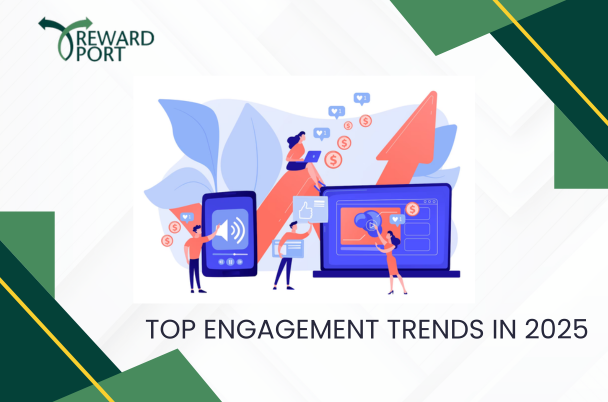
Top Engagement trends in 2025
Businesses try to learn from their past in order to bypass the mistakes made, they look to the future for adapting possibilities that would make the customer happier and improve the overall experience of dealing with the brand.
Customer awareness is ever increasing; make-believe things are quickly Googled to check for its legitimacy. Easy access to information has made the customer search for experiences that are out of the ordinary.
As we look to customer engagement trends coming up in 2025, we need to remember that the customer is a brand in and of themselves. For success, we need to ensure our brands are complimentary to theirs.
1. Personalisation is key
The need for personalised brand interactions is on the rise. Customers feel more valued if the brand has personally had an interaction with them. This value will be measured in terms of brand success and loyalty over the next year.
Customers already expect to be treated as individuals with specific preferences and that trend will become more evident over the next year. The need for the brand to understand and anticipate customer’s needs is going to be ever-increasing. All this seems like a big task for the brands to deal with, however the answer to this question is BIG DATA.
2. Multichannel is to become Omnichannel
Companies have to respond to the ever changing market demands. The current market is dominated by the Millennials, with the future in the hands of Gen-Z.
Both of these generations have grown up on the basis of the internet. Hence, instant gratification is a necessity.
Having an Omnichannel presence will improve the company’s customer engagement as the audience they cater to more ways of accessibility.
“Did you know? According to Marketing Week, 15 years ago the average consumer typically used two touch-points when buying an item and only 7% regularly used more than four. Today consumers use an average of almost six touch points, with 50% regularly using more than four.”“According to PWC, the demand for an omnichannel customer experience will be amplified by the need for nearly perfect execution by 2020”
3. Pro-active Customer Engagement
Debenhams, a large retailer applies a proactive customer engagement approach:
Delivery of in-depth content to inform customers before they decide to make a purchase.
How? They display a vast variety of information on their website that answers frequent questions — from guides on beauty and size guides, as well as home furniture & more.
This doesn’t just help the brand in its SEO strategy, it also helps to trim the overhead costs of returns and support while helping the customer maximizing delight in terms of experience.
4. Internet of Things (IoT) is going to be an integral part of Customer Engagement
“70% of retail decision makers globally are ready to adopt IoT to improve customer experiences”
5. Machine Learning
Machine learning allows computers and devices to learn from experience without any specific programming. Think of it as a seasoned psychology professional that knows your traits. This is done through buying behaviour and browser history.
One example of machine learning is by Netflix. The popular streaming service dishes out movie/show recommendations based on a few titles that you select while signing up. Surprisingly enough these titles are very much what the audience is looking for! How?
Machine Learning’s Predictive Functionality. Based on customer feedback, ratings and browsing habits, the algorithm makes a predictive decision. The customer experience is vastly improved by such pro-active efforts which result in the customer being engaged with the brand.
Machine Learning in 2025 is expected to rise on all accounts. An ever-increasing number of companies are adapting this technology to improve customer experience and make machine learning a friend in need in the virtual world.
To Conclude:
Customer experience is to be vastly improved in 2025. Through personalisation and implementation of various advances in technology, companies are trying to win over the customer. It is to be seen how the customers react to these trends and if brand loyalty will gain a stronghold due to improvements in customer experience.
Top 5 Trends That Will Drive Sales in 2025
Sales – The word doesn’t go well with many of us. It has the tendency to pull our attention towards a lot of never ending hard work to attain a certain amount of desired result. Not sure how many of us would agree on this but every single job is somehow related to sales.
We are either getting paid because someone is selling products made by us or we are selling some products made by someone else. Believe us or not but sales are as important as the air we breathe. And with every passing year, it has been becoming more progressive.
What’s in store for sales in 2025? Videos replacing text in emails, increased focus on sales training, the rise of micro-influencers, messages replacing calls – there are many things to look forward to. Let’s find out.
1. Automation, AI, and Machine Learning
Advancements such as email intelligence are already making the sales process more efficient and it is likely to continue in 2025 as well. Big data is slowly changing the way business decisions were made earlier. There is advanced machine learning training that works on success outcome data and can help train sales development representatives(SDRs).
Their conversations can be recorded, translated, transcribed, and presented to their managers. With so much new technology merging into sales, it will be possible to figure out metric-centric selling to analyze each sales-based role and turn focus into more customer-centric approaches.
Bosch have sensors embedded in their washers and dyers. And they can actually alert the service center when some application is not functioning.
2. Hyper-Personalization
Personalization is rapidly becoming an essential part of sales and marketing. With the constantly increasing competition, brands are always looking for new ways to attract and engage customers. Hyper-personalization becomes an important aspect when it comes to customer engagement in 2025.
By offering personalized rewards and experiences, you can make your customers feel valued and encourage them to spend more on your brand. You can segment your customers based on their interests/buying behaviors and offer personalized rewards to each segment to ensure that every customer feels valued and appreciated for their purchases.
3. Rise of subject matter experts
Subject Matter Experts (SMEs) are changing the way businesses and consumers interact with each other. Modern customers don’t communicate through traditional mediums of communication when social media revolutions are in full swing. These days consumers check your social media pages first and then go to your website.
And if you don’t know your pages inside out, chances are you losing a large number of your prospective customers. SMEs, such as digital marketing specialists, can help you with deep insights and value selling. They are worth hiring and they can provide you a deep understanding of the solution landscape.
4. Customer Relationship Management (CRM)
It’s 2025 and the ‘one for all’ type of strategy doesn’t work anymore. Customers now need personalized experiences. The concept of CRM aims at gaining long-term oriented customers and it’s hugely technology driven. The primary focus of CRM is on customers rather than products.
For example, bonus points, collective numbers, and cash back options are offered to improve customer experiences and engagement rather than just selling products. Good customer experience will itself bring you more sales.
5. Videos replacing texts on mails
Video/GIF prospecting emails have been used in B2C communication for a while now but marketers never used them in a terribly targeted manner. AI is helping B2C sellers to send video-based sales emails to get through hard-to-reach decision makers working in SMEs and business houses.
Marketers are using videos to split-test among a vast list of subscribers or landing page visitors.
6. More focus on micro-influencers
After a few targeted aggressive selling from top influencers, advertisers have started to niche down and find more customer centric approaches to get products in front of consumer’s eyes. Big influencers are always concerned about who and what they recommend since they don’t want to turn off any of their followers. Thus, they leave the doors opened for micro-influencers to enter.
It is still early to predict the upcoming future since technology is ever progressing. But whatever it will be, staying updated with new updates and trends should be the main focus for every organization to drive sales.
Using traditional methods would be a failure if you don’t implement AI and machine learning in analysis. With social media platforms introducing new features such as live video streaming, and video carousel ads, the competition will become more intense.
Achieve Your Sales Goals With RewardPort
RewardPort is a leading rewards and loyalty solutions company that helps businesses boost their sales and revenue by improving the experiences of different business prospects, including customers and channel partners. The team of marketing experts at RewardPort can help you design effective sales promotions or loyalty programs for your B2B or B2C customers. The team ensures that your program aligns with your marketing goals for maximum effectiveness.
‘Experiential Rewards’- The Key to Future Loyalty

A memory can be a very powerful thing. Our lives are defined by our memories, the experiences that we have. These experiences count not only in our personal lives but also in our professional ones. Loyalty programs have long been a practice of materialism; however, the trends seem to be changing. The key is the term “experience”.
No matter the industry you belong to or are interested in, everyone seems to be discussing this somewhat subtle way of rewarding your best customers.
You probably don’t remember how you spent that last bit of cash in your wallet (groceries, diapers, gas for the car?) but you do remember that first time you got up on water skis, or that gorgeous sunset from your last beach vacation, or the time you sang your favorite song at karaoke and actually killed it
Almost everyone has taken a picture of a meal and posted it on Instagram, Snapchat or Facebook in the last month. That’s sharing your experience with your social circles—and in a small way, makes you part of the experience economy. The experience economy was coined in the late 90s but continues to remain relevant—even more so today based on other economic changes.
The experience economy occurs when a company intentionally engages individuals in a way that creates a memorable event. That includes consumers like in the example above and extends to all people you’re looking to engage and motivate.
Let’s take a closer look at why experiential rewards are the way forward:
1. Personalization Is Key
Personalization is tailoring a service or a product to accommodate specific individuals. With the emergence of artificial intelligence and other machine learning capabilities, consumers expect to be treated like the individuals they are. The more we know about our customers, channel partners and employees, the easier it becomes to offer rewards they trust and value.
Put yourself in their shoes.
How do they want to receive rewards?
Is it a digital experience?
Do they prefer a gift delivered to their home where their family can take part in their achievements?
These are just a few examples of the myriad of ways we can stay in touch with participants today with the reward experience.
2. Experiential rewards are personal and become part of our identity
We enjoy telling stories. Above all, experiences help to create stories which are inherently shareable. The human brain is wired to compose, remember, and share stories. And so, a reward or a recognition ceremony that lends itself to a story is more likely to be shared and remembered.
Who would not find it interesting and comfortable to share stories about a recent vacation, a hand-pottery or night-trekking experience, vs. their last purchase? The stories that a unique or indulgent experience can generate, might even become a part of your organization’s lore, gaining a life far beyond the actual award itself.
And in fact, experiences also offer high social currency, photos or videos for social accounts of the millennial workforce. Studies show that millennials prefer experiences over consumer goods.
3. Experiential rewards although by nature are short-lived but create healthy long-term happiness
There is actually a hell lot of difference between offering a discount and handing over a customized gift worth to your customers. Though the monetary value of both the rewards is same, the experiential value is significant in the latter case. Simply because you are giving them what they have been aspiring to the most. Apart from creating a huge treasure trove of memorable experiences, it is making their lives a tad better in terms of happiness.
Ultimately, the power of experiential rewards is the combination of inspiration and aspiration. Experiential rewards inspire your best customers by giving them positive associations that last much longer than a transactional reward.
These unique, shareable experiences will also help you build a brand community that gets customers excited, expanding your marketing reach and further solidifying the idea that your brand really is the ultimate solution.
5 Loyalty Trends to Look Out for in 2025
Planning to introduce new loyalty programs for your customers in 2025? You may want to consider the ones listed below in this blog.
We have witnessed significant changes in the loyalty program landscape in recent years. Digitization changed a lot of things a few years ago and now the rise of AI and Machine Learning technologies is reshaping the way customer loyalty works. Gone are the days when a huge newspaper ad could convince your consumers.
A new age of business has emerged and it has been bringing remarkable changes in every aspect of modern marketing ethics. When information is easily accessible everywhere, you can’t sit back and wait for your consumers to knock on your door.
You need to be one step ahead to maintain long-term consumer loyalty. The line between the public and private sectors is slowly evaporating and everyone from SMEs to big corporate honchos are trying to introduce new and technologically advanced loyalty programs to attract their consumers.
The future looks innovative and if you are planning to introduce a new set of loyalty programs for your consumers then you must check the following 5 trends.
1. Transcendental Consumer Experience
New-age consumers don’t want to purchase a product, they want to experience it at a personal level. Lives are moving at dizzying speeds and people tend to forget things that aren’t right in front of their eyes.
Being present and constant in day to day life has become important and consumers want to be addressed as the same person by the brand across all channels of communication. Brands have started realizing the fact that they need to become their client’s friend through their e-commerce, social media pages, and loyalty platforms.
You need to count each and every available information about your consumers and create a personalized out-of-this-world experience that will make them feel special and eventually, it becomes easy for them to remember you.
2. Careful Utilization of Visual
Every social media platform has started its own live–streaming services. Be it X (formerly Twitter), Facebook, or Instagram. Visuals will surely replace the static mode of communication in the foreseeable future. But you need to utilize it carefully since the competition for scrolling content is getting fierce.
With ads popping up in almost every network, advertisers are living in a fear of ad fatigue. We recommend using short and crisp videos that don’t trouble the viewers.
3. Impact of Machine Learning
Currently, businesses are using machine learning for four different purposes. To create user-generated content, to build meaningful conversation with consumers, to predict consumer behavior and to help consumers find products.
With a rapid generation of data and the capability of massive computing power, machine learning has become the most useful way to detect anomalies. Machine learning is very useful to gather appropriate data, and introduce personalized reward points for your consumers. It helps gather accurate information in real time.
4. Instant Rewards Points
We know alerts are annoying but no one can deny the impact of reward point texts from their favorite shopping destination. Millennials and Gen Z people are not just looking for high-quality products, but also good experiences.
They always tend to question the traditional ways and prefer notifications more than calls on their phones. For example, a push notification to remind insurance renewal is necessary but 20% cashback along with the renewal is an attractive prospect.
5. Travel Experience as Reward Point
Just go through recent promotional offers by 10 different brands, and you will find at least four of them offering luxury gateways to their consumers.
Millennials and Gen Z people are experimental in nature and they are always ready to explore a new place. Traveling has become easier than before and short city breaks appeal to consumers more than cash reward points.
Why Choose RewardPort?
Technology and the internet have played vital roles in changing the course of a business in recent years. Don’t hesitate to hire someone if you don’t know the current trends and updates. Your consumers are smarter than you and they know how to explore the market. Partner with RewardPort and get your loyalty programs aligned with the interests of your customers.
Top benefits of customer retention
‘Customer Retention’ or ‘Customer Acquisition’, these are the two conflicting ideas marketers face when deciding what is more important. And with so much importance given to ROI, marketers overlook the reason of just why are they in business- that is to serve the customers.
Old school marketers used a multichannel wide net marketing strategy to reach out to more number of prospects, however much like the definition of this strategy has changed, so has this mindset developed.
Multichannel marketers now see that it’s about using different touchpoints to interact with customers and create a more personalized experience.
As alluring as customer acquisition may seem, the truth is that it is important to invest time, effort and resources in maintaining a relationship once the customers are on board. Customer loyalty and brand loyalty initiatives facilitate companies to retain customers, beginning from the first contact one has with the company and endures throughout the period of the relationship.
In this article, we’ll make the case for customer retention and explain why it deserves the same amount of focus as acquiring new ones:
1. Low Marketing Cost
Acquiring new customers requires a lot of resources, efforts, and expenses. By focusing the marketing strategies on existing customers, customers who show a demonstrable interest in the product and the willingness to buy increases the chances of converting them and making a sale.
This not only significantly reduces the ad spend but also is a chance to showcase the brand’s commitment to rewarding the customer’s loyalty.
2. Loyal Customers Boost Sales
Loyal customers have a relationship with the company and trust the brand more than new customers do. Since a current customer has been with the brand for some time and has experienced the product or service first-hand, they’re more likely to upgrade or make a repeat purchase. Also, loyal customers are better at word of mouth and so your customer acquisition costs decrease.
3. Improve Brand Image
Brand Image is the customer’s interpretation of the product and services of a brand. A positive brand image helps businesses acquire new customers, cross-sell and upsell and reduces marketing cost.
One of the best things about customer retention is that the brand gets an idea of who the customers are, what they want and the data collected facilitates in creating personalized and targeted promotions to maximize chances of success. It’s impossible to overstate the vitality of a brand profile, as prospects connect with it directly and build a relationship.
4. Retention equals acquisition
A price cannot be put on customer loyalty and can even result in the further acquisition of customers for the brand. Word of mouth or WOM is not only a free advertising tool but possibly one of the most credible forms of advertising.
It’s a fact, that customers will talk and prospects will listen. Happy customers will give positive referrals will which in turn increase the profitability of the company. Acquisition can also be increased through retention by giving incentives to existing customers when they refer the brand to family, friends, and acquaintances.
In today’s competitive market, it is really difficult to differentiate your brand from its competitors. Arguably the most important driver of a company’s good health is customer satisfaction and retention.
A loyal and satisfied customer is more important than one who is not. While closing new business might be exhilarating, your company won’t truly advance and grow without retaining your current customers as well. The bottom line is to not lose sight of the existing customers in pursuit of new ones and it’ll definitely pay off.
Common Pitfalls of Customer Loyalty Program Design
Customer loyalty plays a very important role in maintaining a long-term and successful business and requires a detailed understanding of human behavior and their desires. A well-designed loyalty program will help in customer acquisition, engagement, retention and increasing number of loyal guests who repeat purchase thereby boosting revenue. On the other hand, if the program is poorly designed and implemented, it can have a negative impact on the company’s success.
When marketers are designing or improving their loyalty programs they should avoid the following pitfalls:
1. Undefined business objectives:
Loyalty schemes are designed to help customers develop an emotional connection with the brand. It’s of prime importance to understand the business requirements and link it to the overall business objective and brand values.
For a customer loyalty program to be really effective it is important to make customers a priority and keeping the communication consistent so that they can establish a connection with the brand and are offered something valuable.
2. Treating all customers as equal:
It’s extremely important to understand every consumer is unique. Each of them has a different buying behavior and understanding how consumers behave will help design a profitable loyalty program. High-value customers are very vital to your brand as they churn more value to the brand and are loyal.
Hence, it is important to differentiate between customers and treat the high-value customers differently. A key to this is personalizing their reward system and gift them such that they feel special.
3. Complicated program design:
Customers crave a hassle-free rewards program during the entire process of joining a program and claiming rewards. A loyalty program is more as long as it is simple to use and is convenient for the customers. If too many steps are involved in the earning of points people won’t bother to claim their rewards as it’s too much effort.
This will develop resentment among the customers even when the brand message says that they value their customers as they don’t give enough importance to a buyer’s time. A program will be successful provided the entire design of loyalty program is well- communicated and transparent in its approach.
4. Ignoring the data:
The fundamental to a lucrative loyalty program lies in understanding the data collected from consumers every time they shop, review and refer it to others. It’s vital that business collect all this data, analyze it thoroughly and then use this information to create tailor-made rewards for individuals.
5. Frequent changes or no improvement at all:
It’s inadvisable to keep changing the existing mechanics of a reward program too often. Letting a member have enough time to accumulate points and redeem benefits will help businesses gain their trust and establish a bond with them.
If the window between the two is very narrow and the program does not give enough time to earn points and then be able to redeem before expiring, the customers won’t feel appreciated and they will be hesitant in promising the brand their loyalty.
6. Making redemption difficult:
Because of delays and inadequate fulfillment of rewards, some loyalty programs make it very arduous for members to redeem their points and corresponding benefits. This may lead to loss of interest in the program and give up on the brand. Hence, the redemption should be instantaneous and convenient with instant gratification.
7. Not rewarding every purchase:
Quite a few loyalty programs only reward members for some of the purchases they make and hence fail to motivate them to spend more and earn benefits. It is important to pay attention to rewarding the high- value customers because their purchase margins are high but it’s equally important to reward those at the bottom of the pyramid too.
Giving a customized experience to all members at different levels of the pyramid will only prove fruitful to the brand.
By avoiding these common loyalty pitfalls, most of which occur in the program design stage, you can ensure a reasonable chance of launching a successful loyalty program well before you put your program on the market. Retailers need to understand what their customers want, bake in a compelling value proposition; segment your customers; and use data to build relationships and put them front and center when planning the program for optimal success.
Selling Through Referrals- A Powerful Strategy to Grow Revenue
There are a number of sales strategies, but it is no secret that selling through referrals is one of the most effective technique to acquire new business. In simple words out a referral is a sales lead that comes from a customer, basically an intermediary. Sales referrals help bridge the gap between the product and the referred product and hence they provide great value to the brand.
Why Referrals? – The Only Leads That Count
If you love sales, stop the time-wasting, irrelevant, unproductive, frustrating prospecting activities you think you should be doing. Stop sorting leads into cold, warm, and hot. There’s only one kind of lead that should be in your pipeline. Only one kind of lead that counts. Only one kind of lead that management cares about. Only one kind of lead you should care about.
That’s hot leads—the kind you source through referrals from trusted allies.
The Returns – The ROI of Referrals
Every seller agrees that referral selling is, hands down, the most effective prospecting strategy. When you prospect through referrals:
- You bypass the gatekeeper and score meetings with decision-makers every time.
- Your prospects are pre-sold on your ability to deliver results.
- You’ve already earned trust and credibility with your prospects.
- You convert prospects into clients at least 50 percent of the time (usually more than 70 percent).
- You land clients who become ideal referral sources for new business.
- You score more new clients from fewer leads (because all of your leads are qualified).
- You ace out your competition.
The Process
1. Start a monthly advocate program
Once a year, do a customer genealogy to see who or what was responsible for all the additions to your customer base. Odds are, you’ll find between 5-20 primary referral sources, ranging from current clients to friends, partners and suppliers.
Make an “advocate list” of these active referral sources, and develop a concrete plan to keep in touch with them on a regular basis.
2. Develop a culture of referrals
Another approach that can help you develop a steady stream of referrals is to ask questions that benefit your customer first. One Engage customer doubled her referrals simply by asking the following client-focused question at the end of every client meeting:
“Now… how can I help you?”
The Practice – Referral Selling is Common Sense, but Not Common Practice
The business case for referrals is loud and clear:
- Decision makers will always meet with a referral from someone they know and trust.
- If your competition gets to the decision-maker first, you’re out of the game.
- When you get the referral introduction, you win.
No other sales or marketing strategy delivers such powerful, predictable results. Yet, referrals are the missing link in every company’s business-development strategy.
Ninety-five percent of companies do not have a written referral-selling strategy, written weekly referral goals, referral-selling skills, accountability for results, or a system to track and measure referrals.
It’s time to make referrals the way you sell. Fill your pipeline with only HOT referral prospects, and you’ll never have to worry about hitting your numbers again.
Blockchain Technology Promises Major Benefits for Loyalty Reward Programs
What the internet did for communications, blockchain will do for trusted transactions.
So what is Blockchain?
Picture a spreadsheet that is duplicated thousands of times across a network of computers. Then imagine that this network is designed to regularly update this spreadsheet, and you have a basic understanding of the blockchain.
The blockchain database isn’t stored in any single location, meaning the records it keeps are truly public and easily verifiable. No centralized version of this information exists for a hacker to corrupt. Hosted by millions of computers simultaneously, its data is accessible to anyone on the internet.
Blockchain enable two entities that do not know each other to agree that something is true without the need of a third party. As opposed to writing entries into a single sheet of paper, a blockchain is a distributed database that takes a number of inputs and places them into a block.
Each block is then ‘chained’ to the next block using a cryptographic signature. This allows blockchains to be used as a ledger which is accessible by anyone with permission to do so.
Introducing Blockchain as a customer loyalty solution
Loyalty programs are often considered as one of the most efficient ways for businesses to retain customers. The Deloitte Center for Financial Services (DCFS), in a recent report, claims blockchain technology can improve customer loyalty and reward programs.
Its chief benefits are in allowing companies to join their rewards program in ways not previously thought possible and it would simplify reward programs by linking multiple programs that consumers are already a part of.
Blockchain implementations of customer reward programs will give businesses a secure and verifiable record of transactions, particularly for their rewards programs.
This technology’s record at solving problems is proven; blockchain in what made Bitcoin the first digital currency to finally solve the ‘double spending’ problem, in which customers can sometimes spend a single unit of digital currency multiple times.
Although modern customer reward systems now have built-in protections against this problem, its impossibility within a blockchain deployment makes blockchain an attractive collaboration tool.
Reward points will be transferrable across participating businesses. Retailers and other businesses could take advantage of common markets to enhance the usefulness of their reward programs to their customers. Travelers, for example, could book a hotel and receive automatic discounts at their nearby restaurants through their rewards app.
Customers will benefit from the linkage between different retailers’ reward programs as it will reduce the number of total memberships that customers already have to keep a track of.
Blockchain brings benefits
Blockchain has the potential to streamline administration and execution for program providers because of real-time transparency. A blockchain based loyalty program should reduce system management cost with smart contracts that report secure, tracked, transparent transactions to legacy systems, reducing costs associated with errors and fraud.
The blockchain can connect a largely disconnected realm of loyalty rewards programs, eliminate friction, reduce costs, bring redemption and credit to near real time, and improve business relationships.
Blockchain has proved it can deploy through digital wallets and social media and can interact with existing loyalty rewards platforms via smart contracts. An online protocol, programmed building blocks and smart contracts give blockchain technology the ability to act without intermediaries.
A widespread diffusion of decentralized architectures would create an immutable and time-stamp distributed database entry of every single transaction ever made, making each transaction and its record easily traceable, but also rendering them irreversible, preventing double spending, fraud, abuse, and any other type of manipulation of the transactions.
Mobile phones are part of the solution:
The only way to move forward with a blockchain- powered rewards system is through mobile applications. Blockchain will introduce tight security into the mobile app payments, thus making more people embrace the technology.
The blockchain technology calls for a full-proof ledger which will log all your transaction details, and the entire focus is on keeping the data secure. By providing an interface that can cut through the underlying complexity of blockchain implementations, consumers can get all the benefits of a flexible rewards program among multiple businesses without any additional hassle.
Applications of blockchain technology in travel:
As the backbone of digital currency, blockchain is already revealing its value in areas such as transparency, data security, logistics and process simplification, and even regulatory compliance.
The travel business is complex and fragmented. Merchants that sell travel are typically seen as a high risk because of a number of refunds and chargebacks that occur in the industry. But with blockchain, once a payment has been made, typically you can’t reverse it.
And this mechanism will make fraudulent cases easier to spot and less likely to occur. Blockchains are, after all, about decentralizing services and removing the middlemen to lower costs, speed up transactions, and add transparency
For example, with blockchain processes serving as the underlying authentication layer for biometric-equipped mobile and wearable devices, a passenger’s experience becomes easier, faster and more satisfying.
They can verify their identities, purchase travel products, and ancillary services before, during and after their trips. They can communicate with airlines in a variety of new and engaging mobile formats without pulling out IDs and expose personal financial information every single time
To extend the vision from a passenger’s perspective, imagine going from home to the airport for a flight, then from the destination airport to your hotel and straight to your room without standing in a single line or sharing your personal data. Managing frequent flyer and loyalty programs and tracking baggage can also be a piece of cake, using blockchain technology as the information “connector.”
The beauty of this vision is that it serves as a genuine win-win for both the airline and its customers. And by contributing to customer satisfaction, an airline is much more likely to retain and grow that source of revenue, not to mention the range of ancillary purchases that become easier with blockchain technology.
While blockchain is very much about moving values, it’s also about handling and securing data in better ways.
For blockchain-based loyalty programs to succeed, providers must establish an Omnichannel presence. In addition to traditional channels like email and contact centers, providers have to consider mobile and social media channels.
Blockchain certainly has a potential to bring changes to the industry but perhaps it would be fairer to consider it as a system facilitator rather than a replacement for a current system. Besides, the success of the undertaking would largely depend on whether enough companies actually adopt the technology meaningfully. Customer loyalty programs powered by mobile apps are a natural fit, and it is exciting to see how blockchain will spread into this area.
Millennial Engagement And Loyalty – Making Them A Part Of The Process
Millennials, or people born roughly between 1980 and 2000, are tough customers in both the literal and proverbial sense. With social media, subscription boxes and targeted advertisements following consumers on every website they visit, it’s easy for shoppers to get distracted.
Since most of these teenagers to thirty-somethings were born into the age of e-commerce, it’s easy to assume they’re susceptible to the intrigue created by the new brands and products constantly inundating their screens.
Millennials represent the modern consumer. With this in mind, it’s no surprise that companies across all industries and verticals are catering to the needs of millennials as a way to earn their loyalties. Traditional methods of advertising have been proven ineffective in capturing their attention.
Most people are never more than a tap, swipe or click away from almost anything. The fact remains that the digital world has forcefully inserted itself into all the phases of the buying process, especially for the millennial generation. As more millennials begin to enter the market, the question that arises is- how companies can appeal to these digital natives?
Agreed, millennials are choosy about their brands, but they are also more willing than older generations to switch brands if they can save money by doing so. While advertising may seem like the go-to strategy.
There are more efficient ways to get in front of this audience and reach them time and time again
1. Personalization
Millennials want to know that a company is paying attention to their specific needs. The critical component of delivering a personalized digital experience is a mobile-first strategy that guides each customer through all phases of the shopping journey. The look and feel of a customized product are important to the members of this generation who has an open- door policy.
They are more likely in the first place to listen to your pitch, even if you are pitching from a brand they haven’t heard before. Companies can present options, targeted messages, recommendations and personalized services that can be effective in the right circumstances. To attract millennial shoppers, brands must think in terms of experience, not discounts and offers off alone.
Brands can approach experience-focused programs in a number of ways, such as offering customers free shipping, skipping a checkout line, early access to a sale or the ability to view products before other customers. By focusing on the experience and personalization, brands can help shoppers feel as if they’re a part of something bigger than just a loyalty program, thus building an emotional relationship with the consumer, which is key for Millennials.
2. Engagement
In addition to providing a great product, responding and engaging with millennials in a timely and authentic way will also help cement a long-term relationship. As a tech-savvy and highly connected generation, it is no surprise that millennials are drawn to loyalty programs that engage them through various channels. Whether online, mobile app or in-store, brands can reinforce millennial loyalty with a program that keeps them looped into the brand experience.
It’s important to have a cohesive marketing strategy across the brand’s website, e-mail campaigns and social media properties for relevant communication to elevate customer loyalty. Based on data collected from these sources, platforms can be used reengage, share new opportunities, offers and promotions that will keep millennial shoppers hooked and coming back for more.
Social media as a platform is not only great for consistent, relevant communication but also has the added benefit of facilitating peer-to-peer recommendations, which many millennial shoppers turn to before making purchases. By adding game-like features to their reward program, brands have the potential to create customizable and rewarding experiences, providing entertainment value to the customer while bolstering engagement.
3. Convenience
Even a loyalty program with experiential components, engaging qualities, and price, the ultimate deciding factor can turn off this generation, if it is difficult to use. While millennials rely on technology to streamline their lives, they expect digital solutions to augment their experiences.
This means brands must develop loyalty programs that are frictionless and easy to navigate across various channels – whether on a laptop, desktop, a mobile or a tablet. Millennials are quick to abandon slow-loading apps or confusing interfaces that do not save them the time or add value to their lives.
Like other leading mobile solutions, loyalty programs can capitalize on common mobile strategies like real-time alerts, multichannel capabilities, and personalization or even technologies like mobile wallets.
Brands that want to capture this demographic will have to abandon traditional, shop-worn loyalty strategies in favor of new programs that emphasize experience, engagement, and convenience. Appealing to this demographic requires brands to ensure that the ways they deliver their rewards programs are as flexible and mobile as millennials are themselves.
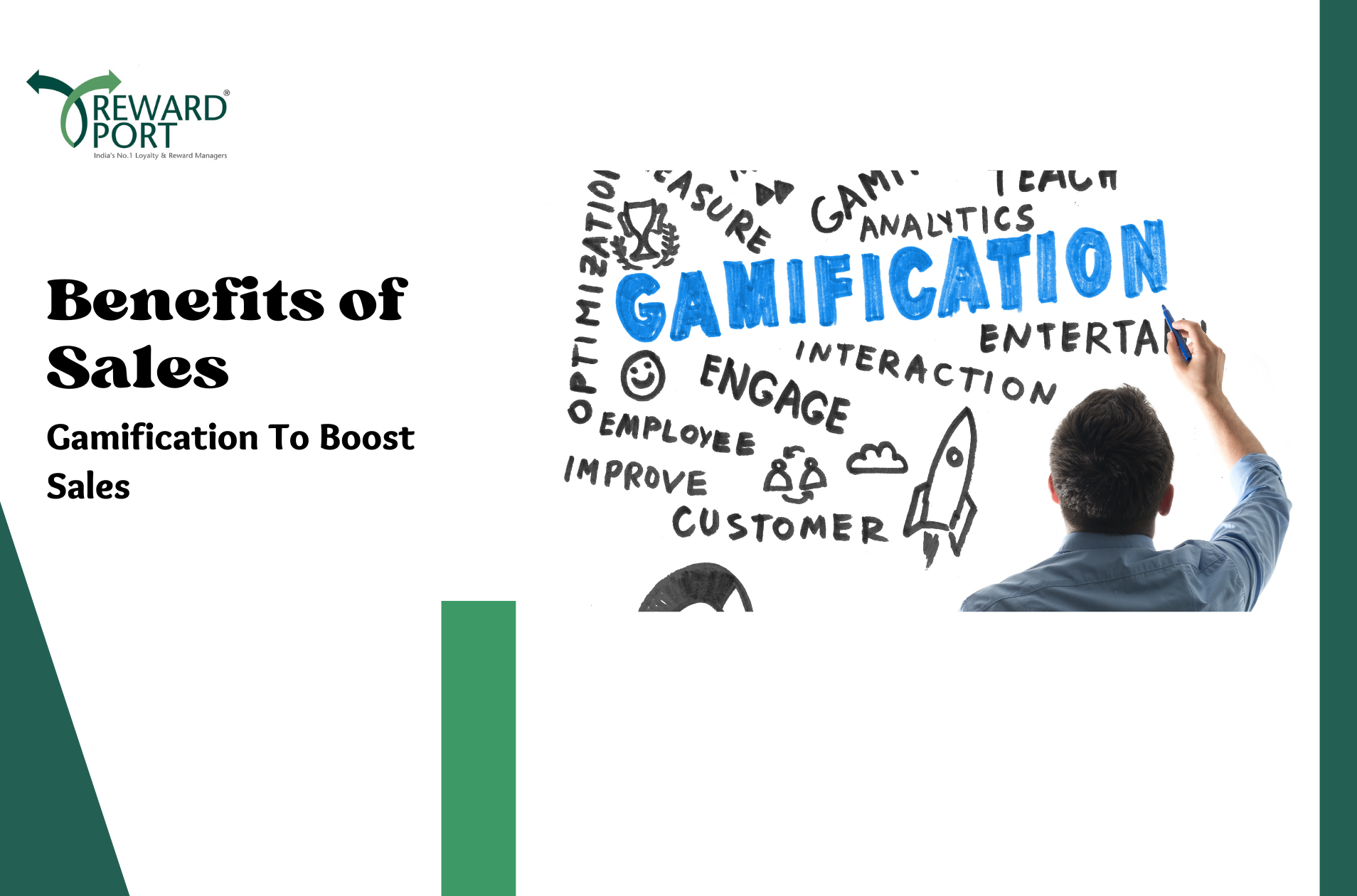
Benefits of Sales Gamification to Boost Sales
Gamification, the use of game mechanics in a non-game context to drive engagement, is becoming a standard practice in marketing and loyalty programs. The basic premise of gamification is that it uses game mechanics to leverage a participant’s sense of challenge, competition and reward to educate change attitude or behavior to inspire action.
Effective customer loyalty programs are now powered by gamification, which moves engagement beyond the transactional to create deeper, data-driven and more valuable customer relationships.
To a large extent, gamification leverages the same tactics of video games and their ability to get players addicted to virtual rewards. Successful gamification finds ways to turn tasks into a competition amongst players or customers by building mechanisms for achievements and public competition.
Few pointers that businesses need keep in mind when implementing gamification:
- Set a clear goal and that goal must be aligned to the marketing or loyalty. There must be a finish line in sight, so customers know exactly what they need to do to achieve that goal.
- Decide what customers should do to progress in the game. Tasks to be aligned with the behavior you want to reward. This could include simple things like sharing the content on social media.
- Recognition is a big motivator in successful games, so it’s important to show customers how they are progressing towards earning a reward. That means structuring the levels such that they seem achievable. Leader boards can play a great part in the recognition part.
- Reward participation. Reward new members bonus points for just signing up.
- Games need to be fun and a delight to play. A very effective gamification technique is by giving a random reward or freebies at unexpected times. This will give the customer enjoyment beyond the free item.
Peppers & Rogers Group has created a proprietary methodology called the “E7 framework” as a holistic approach to both drive usage and derives benefits from gamification.
Simply stated Increase ENGAGEMENT by EDUCATING, ENERGIZING and EMPOWERING the customer while ensuring EARNING for the client, ENJOYMENT for the user and EVOLUTION of the customer relationship.”
Simply stated, “Increase ENGAGEMENT by EDUCATING, ENERGIZING and EMPOWERING the customer while ensuring EARNING for the client, ENJOYMENT for the user and EVOLUTION of the customer relationship.”
The framework balances increasing customer involvement with creating business value at each point.
Loyalty drivers:
- Educate: Inform customers of products, processes, and events.
- Energize: Stimulate interactions and guide customer use of more services and products.
- Empower: Transform customers into proud brand ambassadors.
- Earn: Create value through increased awareness and customization.
- Enjoy: Users have fun and stay engaged with the program.
- Evolve: Understand customers much more than through traditional CRM systems.
Gamification has its biggest impact in ensuring customers keep coming back. In addition to points for purchase, providing users with a sense of achievement and competition to keep them engaged provides real retention benefits.
While gamification is a very effective tool, practitioners need to take care to use it in the correct context, and not overuse it. Gamification can be integrated to transactional behavior where it is possible to measure the direct impact of gamification on turnover. It is for this reason that gamification is playing an increasingly bigger in loyalty strategy.