
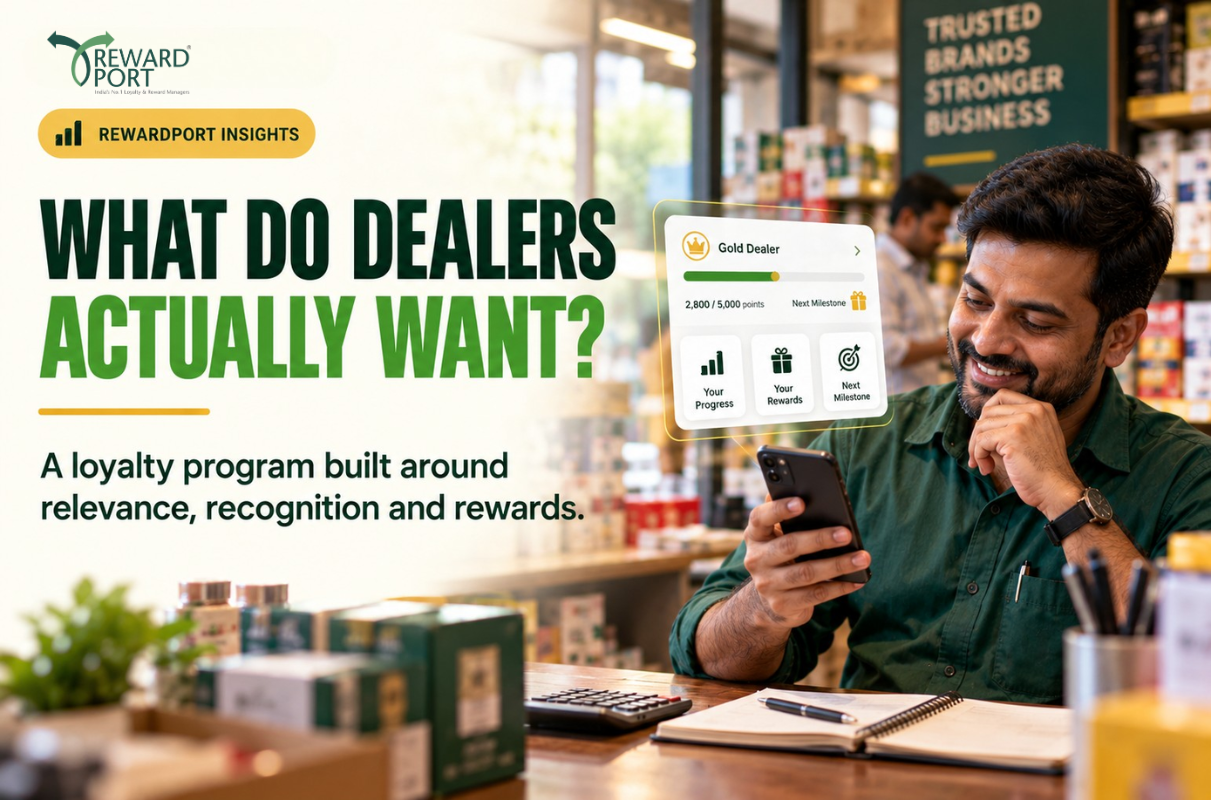
What Dealers Actually Want From Loyalty Programs: Insights for Indian Businesses in 2026
Dealer loyalty programs are becoming an important tool for Indian brands looking to strengthen channel relationships, improve dealer engagement and support sales performance. The most effective programs go beyond simply offering rewards for sales. Dealers increasingly expect relevant incentives, easy participation, instant redemption, mobile-first experiences and clear progress toward meaningful rewards.
Understanding these expectations can help brands design dealer loyalty programs that are easier to participate in, more motivating and better aligned with channel objectives.
Key Takeaways
- Dealers increasingly expect personalised and relevant rewards.
- Instant gratification can reduce friction and improve participation.
- Mobile-first loyalty experiences make programs easier to access.
- Gamification can create continued engagement beyond transactions.
- Tiered programs can give dealers clear reasons to improve performance.
- A diverse reward catalogue can accommodate different dealer preferences.
- Technology integration can improve visibility, tracking and program management.
Why Dealer Loyalty Programs Matter
Dealers remain an important part of India’s distribution ecosystem.
Across categories such as FMCG, consumer durables, electronics, automotive and building materials, dealers can influence product availability, recommendation, customer service and downstream sales.
But dealer expectations are changing.
A dealer loyalty program cannot simply be:
Sell more → earn points → redeem later.
Today’s dealers increasingly interact with brands through mobile platforms, digital payments and real-time communication.
They expect the same convenience from incentive and loyalty programs.
The question for brands is therefore not only:
“What reward should we offer?”
It is also:
“What would make a dealer want to participate, continue participating and improve performance?”
What Do Dealers Actually Want From Loyalty Programs?
The answer varies by category, dealer profile and business model.
However, several expectations consistently shape how channel programs are designed.
Dealers generally want a program that is:
- Easy to understand.
- Easy to access.
- Relevant to their business.
- Fast when it comes to rewards.
- Transparent about performance.
- Flexible in reward choice.
- Useful beyond a single transaction.
A strong dealer loyalty program therefore needs to combine motivation, convenience and relevance.
1. Personalised and Tiered Rewards
Not every dealer contributes equally.
A small dealer and a high-volume dealer may have very different business potential, purchasing patterns and reward preferences.
A single reward structure may therefore fail to motivate both effectively.
Tiered programs can create clearer progression.
For example:
Tier 1 → Tier 2 → Tier 3 → Premium Tier
Each level can have defined performance criteria and increasingly attractive benefits.
The objective is not simply to reward historical sales.
A well-designed structure can encourage dealers to work toward the next milestone.
Personalisation can further improve relevance by considering factors such as:
- Purchase history.
- Product category.
- Dealer profile.
- Geographic market.
- Reward preferences.
- Previous engagement.
The result can be a program where different dealers see different opportunities rather than one generic catalogue.
2. Instant Gratification and Easy Redemption
Waiting can weaken the motivational value of a reward.
Digital rewards have changed expectations around fulfilment.
Dealers are increasingly familiar with instant digital transactions and mobile payments.
This makes rewards such as:
- Digital vouchers.
- Cashback.
- E-gift cards.
- Digital entertainment.
- Mobile-based benefits.
particularly useful for programs where immediate gratification is important.
Easy redemption also matters.
A dealer should not have to navigate an unnecessarily complicated process to understand:
What have I earned?
What can I redeem?
How do I redeem it?
When will I receive it?
The simpler these answers are, the easier it is to maintain participation.
3. Gamification and Continued Engagement
A loyalty program can become predictable when every interaction is purely transactional.
Gamification can introduce another layer of engagement.
Depending on the objective, programs can use:
- Spin-the-wheel mechanics.
- Quizzes.
- Leaderboards.
- Challenges.
- Achievement badges.
- Milestones.
- Tier progression.
- Instant-win mechanics.
For example, instead of simply rewarding a dealer after reaching an annual target, a brand could create monthly challenges that contribute toward a larger milestone.
This gives dealers more frequent opportunities to participate.
Gamification should still have a clear purpose.
The game should support the desired business behaviour rather than becoming entertainment disconnected from the program objective.
4. Mobile-First Access
Dealers are often moving between stores, warehouses, markets and customers.
A loyalty program that depends heavily on desktop access may therefore create unnecessary friction.
A mobile-first experience can allow dealers to:
- Check performance.
- View points or earnings.
- Discover challenges.
- Access product information.
- Redeem rewards.
- Track fulfilment.
- Receive notifications.
Mobile access can also make communication more immediate.
A dealer can see a new challenge or milestone opportunity without waiting for an offline communication cycle.
5. A Reward Catalogue That Offers Choice
There is no single reward that appeals to every dealer.
One dealer may prefer a practical voucher.
Another may want travel.
Another may prefer entertainment.
Another may choose cashback.
This is why reward choice can be an important component of dealer loyalty programs.
A catalogue can include a combination of:
- Cashback.
- Multi-brand vouchers.
- Travel.
- Entertainment.
- Food and dining.
- Lifestyle products.
- Digital subscriptions.
- Experiences.
- Essential goods.
The purpose of a broad catalogue is not to make the program complicated.
It is to make the available reward more relevant to different participants.
6. Experiential Rewards Can Add a Different Dimension
Financial rewards are useful, but they are not the only form of motivation.
Travel, entertainment and other experiences can create a different emotional association with the program.
For example, a dealer could progress toward:
A weekend getaway
or
A family experience
or
An entertainment benefit
rather than simply accumulating another cash-equivalent reward.
Experiential rewards can also work well as milestone rewards within tiered programs.
The dealer sees a destination or experience ahead and has a clear reason to continue progressing.
7. Wellness and Lifestyle Rewards
Dealer relationships are traditionally built around business performance.
However, reward preferences can extend beyond business utility.
Wellness and lifestyle rewards can introduce a more personal dimension to the program.
Potential categories include:
- Health-related benefits.
- Fitness subscriptions.
- Wellness services.
- Lifestyle vouchers.
- Personal care.
- Family-oriented benefits.
The relevance depends on the dealer audience and program positioning.
The broader principle is simple:
A dealer is not only a business account. They are also an individual with personal preferences.
8. Clear Progress and Transparency
Dealers need to know where they stand.
A loyalty platform should make important information easy to understand.
For example:
Current achievement: 72%
Next milestone: ₹5 lakh additional eligible sales
Reward unlocked: Premium voucher
Next tier: Gold
This creates visibility around progress.
Transparency can also reduce confusion around:
- Eligibility.
- Points.
- Targets.
- Expiry.
- Reward availability.
- Redemption.
- Qualification rules.
When dealers understand how the program works, the incentive becomes easier to act upon.
9. Technology Integration
Dealer loyalty programs increasingly need to work with the broader technology ecosystem of the business.
Integration with CRM, ERP or sales systems can help automate relevant information and reduce manual processes.
For example, a program may use transaction data to:
- Update dealer performance.
- Calculate eligible rewards.
- Track target achievement.
- Identify qualifying transactions.
- Generate reports.
- Trigger communications.
The exact integration architecture depends on the organisation’s existing systems.
The objective is to create a consistent source of information for both the brand and the participating dealer.
10. Recognition Beyond Sales
A dealer’s relationship with a brand is not necessarily defined by sales alone.
Depending on the business objective, programs can recognise other behaviours.
These might include:
- Product training.
- New-product adoption.
- Range expansion.
- Display execution.
- Referrals.
- Challenge completion.
- Participation.
- Strategic product sales.
This can help brands move from a simple:
“Sell more, earn more”
model toward a broader engagement ecosystem.
The Dealer Loyalty Program Experience
A strong dealer journey can be structured around five simple stages:
Discover
The dealer understands the program and its benefits.
↓
Participate
The dealer completes a qualifying action.
↓
Progress
The dealer sees performance and movement toward the next milestone.
↓
Reward
The dealer receives or redeems a relevant benefit.
↓
Continue
The dealer has a clear reason to return and participate again.
This creates a continuous relationship instead of a one-time transaction.
What Should Brands Measure?
Dealer loyalty programs should be measured beyond registration numbers.
Useful metrics can include:
Participation
- Dealer enrolment.
- Active dealers.
- Challenge participation.
- Monthly active users.
Commercial Performance
- Eligible sales.
- Repeat orders.
- Product-category penetration.
- Target achievement.
- Range expansion.
Engagement
- Login frequency.
- Challenge completion.
- Training completion.
- Communication engagement.
Reward Performance
- Redemption rate.
- Reward preference.
- Fulfilment time.
- Reward utilisation.
Program Economics
- Reward cost.
- Cost per active dealer.
- Cost per qualifying action.
- Program operating cost.
The right metrics depend on what the program is designed to achieve.
A program created to improve product learning should not be judged only by sales.
A sales incentive should not be judged only by app logins.
The measurement should follow the objective.
How Should Brands Design a Dealer Loyalty Program?
A practical approach is to work through five steps.
Step 1: Define the Business Objective
Start with the outcome.
Is the program designed to:
- Increase sales?
- Improve repeat ordering?
- Launch a new product?
- Increase product range?
- Improve dealer activation?
- Strengthen loyalty?
- Improve product knowledge?
Step 2: Understand Dealer Segments
Identify meaningful differences across the dealer network.
Consider:
- Dealer size.
- Geography.
- Product mix.
- Purchase frequency.
- Existing relationship.
- Potential growth.
Step 3: Build the Incentive Structure
Define:
- Qualification.
- Targets.
- Tiers.
- Challenges.
- Rewards.
- Expiry rules.
- Redemption process.
Step 4: Make Participation Simple
The dealer should be able to quickly understand:
What do I need to do?
What will I earn?
How close am I?
How do I redeem it?
Step 5: Measure and Optimise
Monitor performance continuously.
Identify:
- Which dealers participate.
- Which rewards are preferred.
- Where dealers drop out.
- Which challenges work.
- Where redemption is weak.
- Whether commercial behaviour changes.
Then refine the program.
What RewardPort Can Enable
RewardPort specialises in dealer and channel partner incentive programs designed around digital engagement, rewards and fulfilment.
Depending on the program requirements, solutions can include:
- Digital reward catalogues.
- Multi-brand vouchers.
- Cashback.
- Experiential travel rewards.
- Gamification.
- Tiered loyalty programs.
- Dealer challenges.
- Mobile-first reward journeys.
- Campaign analytics.
- Reward fulfilment.
The objective is to connect the right incentive with the right dealer behaviour while making participation and redemption simple.
A dealer loyalty program should ultimately create a loop:
Engage → Perform → Recognise → Reward → Progress → Repeat
Understanding what dealers actually want from loyalty programs is becoming increasingly important for Indian brands managing competitive channel networks.
Dealers are not simply looking for another points system.
They increasingly expect:
Relevant rewards.
Easy participation.
Fast redemption.
Mobile access.
Clear progress.
Meaningful recognition.
For brands, the opportunity is to move beyond transactional incentives and create a dealer relationship that encourages continued participation and commercially relevant behaviour.
A future-ready dealer loyalty program should not simply ask:
“How much did the dealer sell?”
It should also ask:
“What behaviour do we want our dealers to do next, and what will make them want to continue?”
That is where loyalty can become more than a reward mechanism.
It can become a channel engagement strategy.
How RewardPort Can Help
RewardPort works with brands on dealer loyalty, channel incentives, consumer promotions and reward-led engagement programs.
Depending on the business objective, a program can combine digital rewards, cashback, vouchers, gamification, travel, experiences, challenges and performance-based incentives.
The starting point is simple:
Understand the dealer. Define the behaviour. Build the right incentive. Make participation easy. Measure what changes.
That is how dealer loyalty can become a stronger channel-growth strategy.
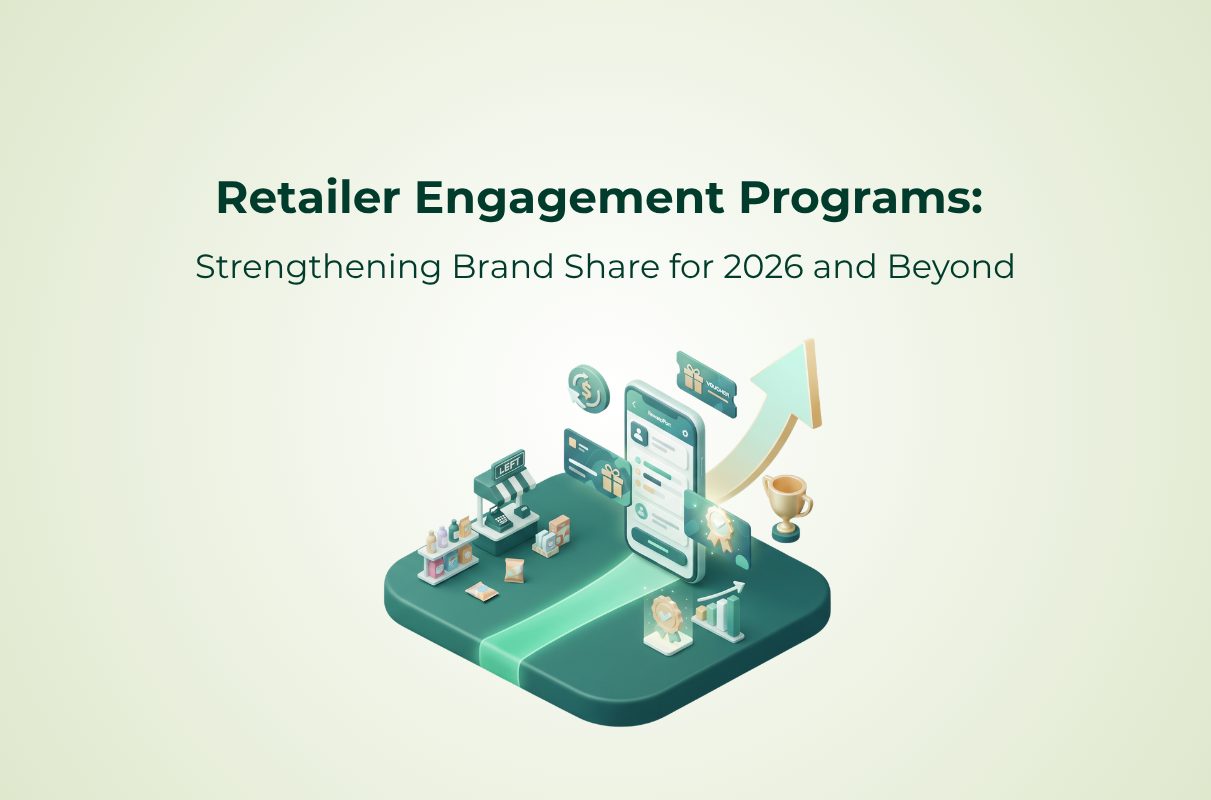
Retailer Engagement Programs: Strengthening Brand Share for 2026 and Beyond
In India’s dynamic retail market, strengthening brand share is increasingly reliant on effective retailer engagement programs. As businesses face intense competition and evolving consumer expectations, engaging retailers—not just end consumers—has become vital to sustaining and growing a brand’s presence on the shelf. Retailers act as critical influencers of purchase decisions, and well-crafted engagement strategies empower them to drive brand loyalty, advocacy, and sales performance.
Market Context and Consumer Behaviour in India
The Indian retail landscape is undergoing rapid transformation, marked by the growth of modern trade, increasing digital penetration, and diversified consumer preferences. Retailers, ranging from large chains to local Kirana stores, navigate complex challenges including inventory management, competitive pressure, and demand variability. Their engagement and motivation directly impact product visibility and sales acceleration.
Data from recent Indian retail studies highlight that retailers favor programs that are simple to access, offer instant rewards, and provide tangible business benefits. They also appreciate initiatives that improve their product knowledge and customer handling capabilities, boosting trust and long-term partnership potential with brands.
Trends Shaping Retailer Engagement Programs in 2026
Several emerging trends define the future of retailer engagement programs in India:
- AI-Driven Personalization: Brands are leveraging AI to tailor incentives and communications to individual retailer needs, improving relevance and effectiveness.
- Instant Digital Rewards: Instant cashback via UPI, digital vouchers for essentials, and experiential rewards create immediate motivation.
- Omnichannel Program Integration: Unified digital platforms allow retailers to track performance, redeem rewards, and access training resources seamlessly.
- Wellness and ESG Initiatives: Innovative programs include wellness benefits and sustainability-linked rewards, aligning brand values with those of retailers.
- Gamification Strategies: Leaderboards, badges, and tiered challenges enhance participation and product knowledge among retailers.
- Data-Driven Support: Analytics provide tailored market insights and proactive assistance to help retailers optimize sales.
Practical Implications for B2B Marketers and Channel Leaders
Marketers and channel leaders must design retailer engagement programs that transcend transactional interactions. Key practical considerations include:
- Easy Access and Instant Gratification: Retailers prefer programs with instant digital rewards, reducing friction and boosting participation.
- Engaging Content and Gamification: Interactive content and gamified elements support retailer training and sales contests, increasing engagement and brand familiarity.
- Multi-Channel Communication: Using apps, portals, and on-ground touchpoints ensures consistent retailer experiences and better data collection.
- Reward Catalog Diversity: Offering a broad mix of rewards—from essential vouchers to entertainment and travel incentives—addresses diverse retailer preferences.
- Measurable ROI and Analytics: Implementing technology platforms that track retailer engagement metrics enables data-driven program refinement and transparent ROI demonstration.
RewardPort’s Perspective and Solution Approach
At RewardPort, we specialise in delivering customised retailer engagement programs that align closely with contemporary market demands. Our digital reward fulfilment platform supports instant cashback, multi-brand vouchers, and experiential rewards that resonate with retailers’ needs for immediacy and relevance.
Our gamification engine introduces branded games, tiered challenges, and interactive leaderboards, proven to boost training participation and sales motivation. We also emphasise omnichannel integration through portals and mobile platforms, providing seamless access to campaign details and reward redemption.
Crucially, RewardPort analytics capabilities enable marketers to monitor participation, redemption trends, and overall program performance—delivering actionable insights that drive continuous improvement in brand share outcomes.
Verified RewardPort Case Study Insights
While specific clients remain confidential, RewardPort campaign implementations have demonstrated impactful learnings:
- A consumer electronics brand employed a gift-with-purchase model combined with monthly digital movie tickets to incentivise retailer push. This resulted in increased speed of sales and deeper retailer engagement.
- A premium FMCG client leveraged a QR Scan-to-Win instant cashback campaign among retailers, linking successful redemptions to enhanced product trials and repeat orders.
- Channel partner incentive programs integrating digital reward catalogs and tiered challenges boosted dealer motivation and increased brand visibility in competitive markets.
Recommendations for Implementing Effective Retailer Engagement Programs
To build and sustain retailer programs that strengthen brand share, marketers should:
- Deploy instant digital rewards complemented by experiential incentives to balance motivation and emotional connection.
- Integrate gamification elements to enhance learning and participation in training and sales contests.
- Leverage data analytics to offer personalised support and identify retailer-specific opportunities or roadblocks.
- Ensure seamless omnichannel access to program information and reward redemption to maintain high retailer satisfaction.
- Diversify reward options within the catalog to appeal to varied retailer profiles and preferences.
Effective retailer engagement programs are pivotal for Indian brands aiming to expand and consolidate brand share in 2026 and beyond. By embracing instant digital rewards, gamification, data-driven insights, and omnichannel delivery, brands can forge stronger, mutually beneficial retailer partnerships. RewardPort expertise and technology solutions are uniquely positioned to support such strategic efforts, helping businesses unlock measurable growth through empowered and loyal retail networks.
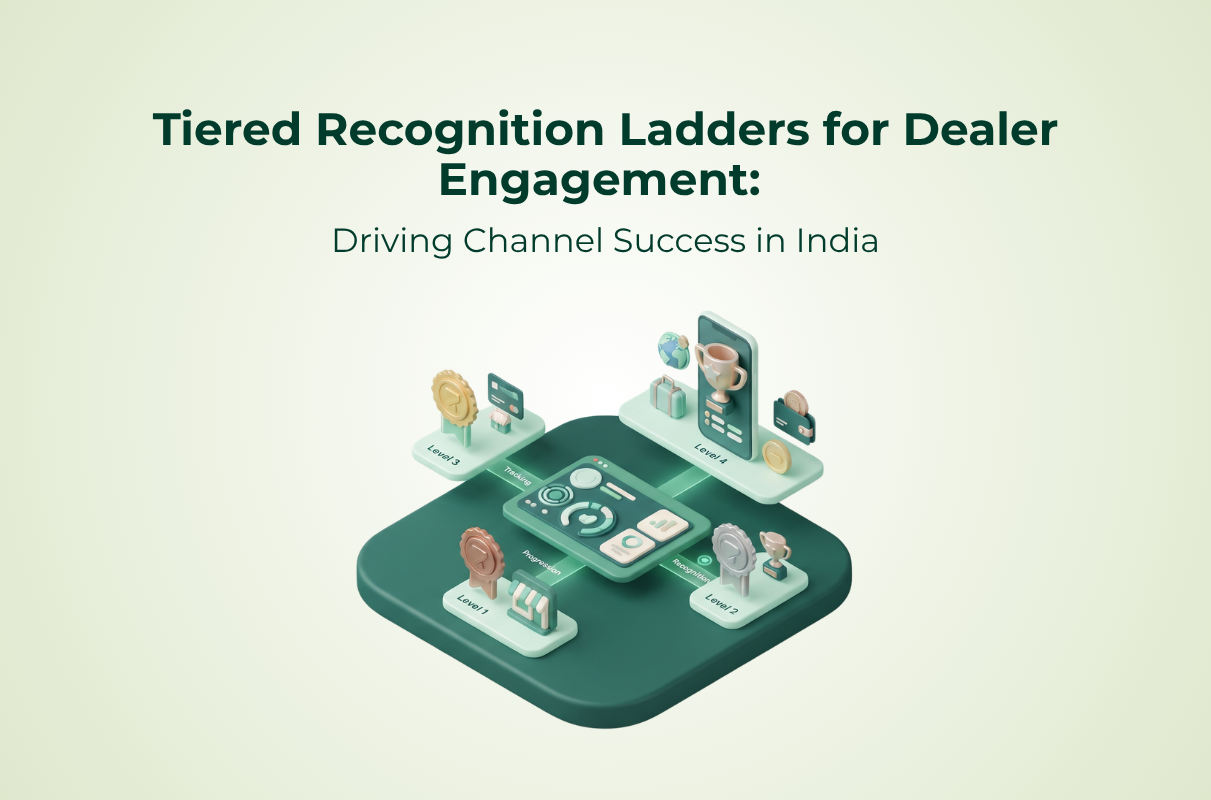
Tiered Recognition Ladders for Dealer Engagement: Driving Channel Success in India
In the rapidly evolving Indian market, tiered recognition ladders have become a vital strategy for businesses aiming to deepen dealer engagement and channel partner loyalty. These structured reward systems motivate dealers to achieve higher performance levels by offering incremental benefits that recognize loyalty and sales achievements. For organisations looking to strengthen their sales ecosystem, leveraging tiered recognition ladders aligned with contemporary incentives and technology can significantly enhance participation, repeat business, and overall channel vitality.
Market Context and Dealer Behaviour in India
The dynamic Indian distribution landscape is characterised by a highly fragmented channel with diverse dealer profiles. Dealers play a pivotal role in bridging branded products to the consumer market, making their motivation a critical success factor for businesses. Current market developments highlight a shift towards more personalised and performance-driven engagement models. Dealers today expect prompt, relevant rewards and digital engagement tools that integrate seamlessly with their sales routines. Trends point to upgraded CRM integrations and incentive programs powered by technology to deliver real-time rewards and insights.
Emerging Trends for 2026 and Beyond
By 2026, the industry is witnessing a surge in gamification and tiered loyalty models that allow dealers to ascend recognition ladders based on predefined KPIs such as sales volume, coverage expansion, or training completion. Digital reward fulfilment platforms have become essential, enabling instant gratification and rewarding incremental milestones. Multi-category reward catalogues, including travel, entertainment, multi-brand vouchers, and cashback, offer dealers choices tailored to their preferences. Additionally, hybrid incentive programs combining assured rewards with skill-building and recognition components are gaining traction.
Implications for B2B Marketers, HR, and Channel Leaders
Implementing tiered recognition ladders empowers channel leaders to segment dealers by performance tiers and design customised engagement strategies that increase motivation and loyalty. For trade marketers and HR leaders, such systems support structured career and reward pathways for dealers, which contribute to reduced attrition and higher productivity. Optimised dealer incentives linked to well-tracked KPIs improve measurable ROI, fostering transparent communication and ongoing engagement.
RewardPort Perspective and Solution Approach
At RewardPort, we understand the nuances of dealer engagement through tiered recognition ladders. Our dealer and distributor rewards programs leverage digital platforms and gamification engines to craft interactive, tier-based incentives that drive consistent dealer performance. We integrate instant digital rewards, multi-brand vouchers, cashback mechanisms, and experiential rewards from categories like travel and entertainment to suit dealer preferences. Our platforms offer seamless tracking, analytics, and participation insights, ensuring transparency and program optimisation.
Verified RewardPort Case Study Learnings
RewardPort has successfully deployed tiered loyalty programs for Indian FMCG and appliance brands, resulting in expanded dealer participation and uplifted sales. Our multi-tier dealer incentives included points accumulation with tier-based bonuses and redemption options using multi-brand vouchers and experiential rewards. One campaign demonstrated a tangible increase in repeat purchase rates and dealer motivation, showcasing how tiered recognition fosters sustained engagement and channel activation.
Recommendations for Implementing Tiered Recognition Ladders
- Define clear performance tiers: Establish achievable and transparent criteria based on sales targets, product knowledge, or market activation.
- Leverage technology platforms: Use digital portals and mobile apps to facilitate real-time tracking, participation, and instant reward fulfilment.
- Curate relevant reward catalogues: Balance aspirational rewards like travel and experiences with practical essentials and cashback options.
- Integrate gamification: Enhance engagement with leaderboards, challenges, and milestone badges that make participation enjoyable and competitive.
- Monitor and optimise: Use data analytics to track dealer activity, tailor communications, and refine reward structures for maximum impact.
Tiered recognition ladders are a strategic imperative for Indian businesses seeking to energise dealer engagement and channel performance. By systematically recognising and rewarding dealers at multiple levels, brands can unlock higher sales, foster loyalty, and build more resilient distribution networks. RewardPort expertise and solutions enable organisations to design and deploy sophisticated tiered dealer incentives aligned with modern preferences and technology, ensuring measurable benefits well into 2026 and beyond.
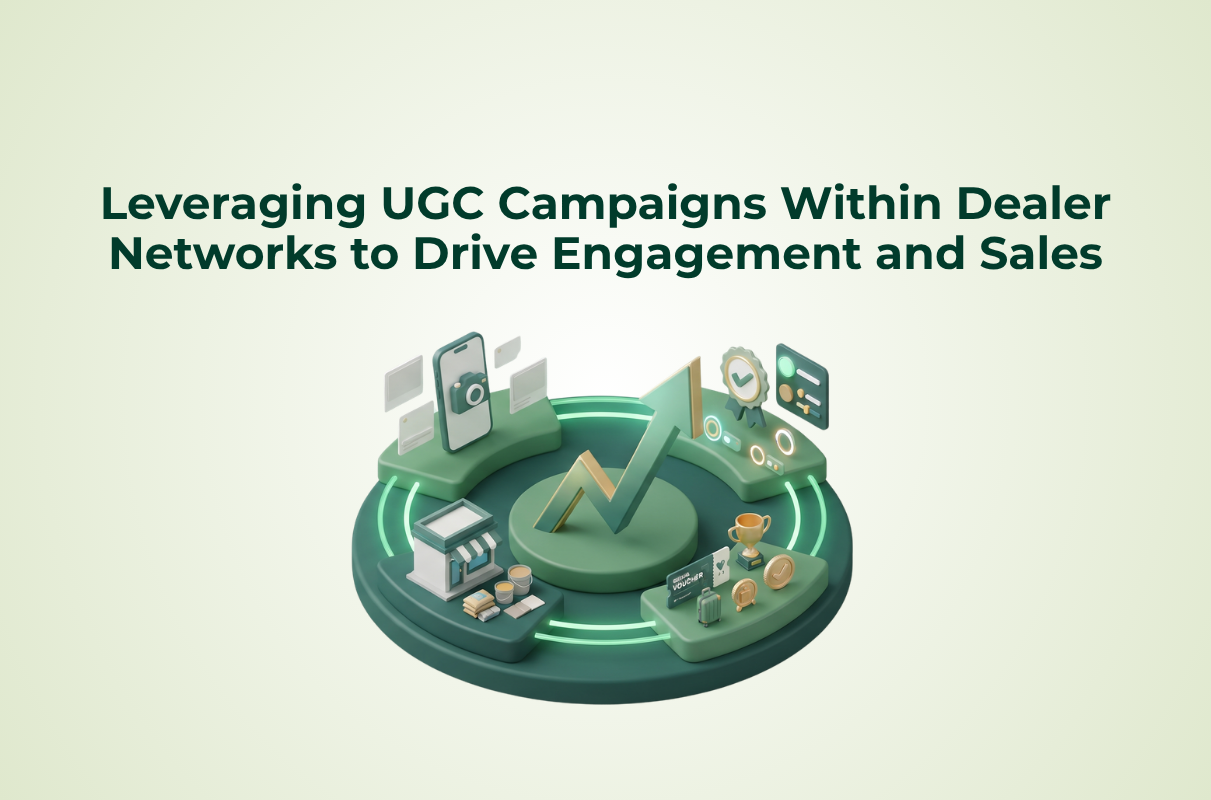
Leveraging UGC Campaigns Within Dealer Networks to Drive Engagement and Sales
User-generated content (UGC) campaigns are rapidly becoming a pivotal strategy for Indian businesses aiming to energize their dealer networks and strengthen brand advocacy. Within dealer networks, UGC campaigns unlock authentic engagement by encouraging dealers and their customers to participate actively in brand storytelling. From 2026 onward, this approach is shaping how companies build stronger channel connections, improve sales metrics, and gain measurable ROI in an increasingly digital and competitive landscape.
The Growing Importance of UGC Campaigns in Indian Dealer Networks
In India’s diverse and expanding retail ecosystem, dealer networks form the backbone of distribution and sales. Engaging these networks effectively requires innovative approaches that go beyond traditional incentives. UGC campaigns empower dealers to create and share authentic content, which resonates more deeply with local consumers. According to industry observations, consumers trust content from peers and dealers more than traditional advertising, making UGC a highly credible marketing tool especially valuable in markets with varied regional preferences.
2026 Trends Shaping UGC and Dealer Network Engagement
Looking ahead, Indian dealer networks will see a strong push towards digitalisation and user participation driven by mobile penetration and social media expansion. Key trends influencing UGC campaigns include:
- Gamification and Instant Rewards: Tying UGC submissions to gamified challenges and instant gratification campaigns boosts participation and excitement.
- Multi-Platform Integration: UGC collected via WhatsApp, QR codes, and social media integrates seamlessly with dealer CRM systems for better tracking and engagement.
- Tiered Incentives for Dealers: Structured reward programs offering escalating benefits based on participation quality and volume motivate sustained content creation.
- Localized Content Focus: Content tailored to regional languages and cultural contexts increases relevance and dealer pride.
Implications for B2B Marketers and Channel Leaders
For trade marketers, brand managers, and channel leaders, UGC campaigns present multiple benefits. They serve as organic brand endorsements, deepen dealer loyalty, and drive traffic to retail points. Tracking UGC participation helps identify top-performing dealers and enables customised support to boost weaker nodes. Sales incentive programs aligned with UGC also encourage upselling and repeat business, while employee engagement can be elevated by recognising dealers’ contributions as part of broader incentive structures.
RewardPort Strategic Approach to UGC Campaigns Within Dealer Networks
At RewardPort, we recognise the strategic potential of UGC campaigns in channel marketing. Our solutions are designed to harness this potential through:
- Dealer & Channel Partner Incentive Programs: Customised reward programs that motivate and recognise quality UGC contributions.
- Gamification Engine: Integration of branded gamified challenges that make content creation fun and rewarding.
- Instant Gratification and Cashback Campaigns: Immediate rewards using digital vouchers and UPI-based cashback to maintain momentum.
- Multi-Brand Vouchers and Experience Rewards: Offering choice—from travel and entertainment to essentials—aligns with diverse dealer preferences.
- Robust Campaign Analytics: Real-time tracking of participation and content performance ensures data-driven optimisation.
Verified RewardPort Case Study Learnings
One of RewardPort notable executions with a leading FMCG brand involved a dealer network UGC campaign tying content submissions to points and tiered rewards. This approach resulted in a 27% increase in active dealer participation and a measurable uplift in repeat orders. The campaign combined instant gratification rewards with experience-based incentives such as movie and travel vouchers—proving effective for building emotional connections and sustained engagement.
Practical Recommendations for Implementing UGC Campaigns in Dealer Networks
To maximise impact, Indian businesses should consider these key steps:
- Define Clear Objectives: Align UGC campaigns with specific goals like increasing footfall, boosting repeat purchase, or enhancing brand visibility.
- Incorporate Multi-Channel Engagement: Use SMS, WhatsApp, and QR codes for easy content uploading and sharing.
- Leverage Gamification: Integrate games or contests that reward content creation to sustain enthusiasm.
- Personalise Rewards: Offer dealer-preferred incentives including cashback, multi-brand vouchers, and experiential rewards.
- Utilise Analytics: Track participation, reward redemption, and correlation with sales to iterate and improve.
- Communicate Regularly: Use newsletters and social media updates to maintain excitement and recognise top contributors.
UGC campaigns within dealer networks represent a powerful tool for Indian businesses to enhance dealer engagement, build authentic brand advocacy, and drive measurable sales outcomes. As we move into 2026 and beyond, integrating these campaigns with RewardPort incentives and digital reward fulfilment platforms provides a scalable, data-driven way to energise channel ecosystems. Incorporating UGC campaigns within dealer networks in your strategy can deliver significant competitive advantage, deeper relationships, and sustainable growth.
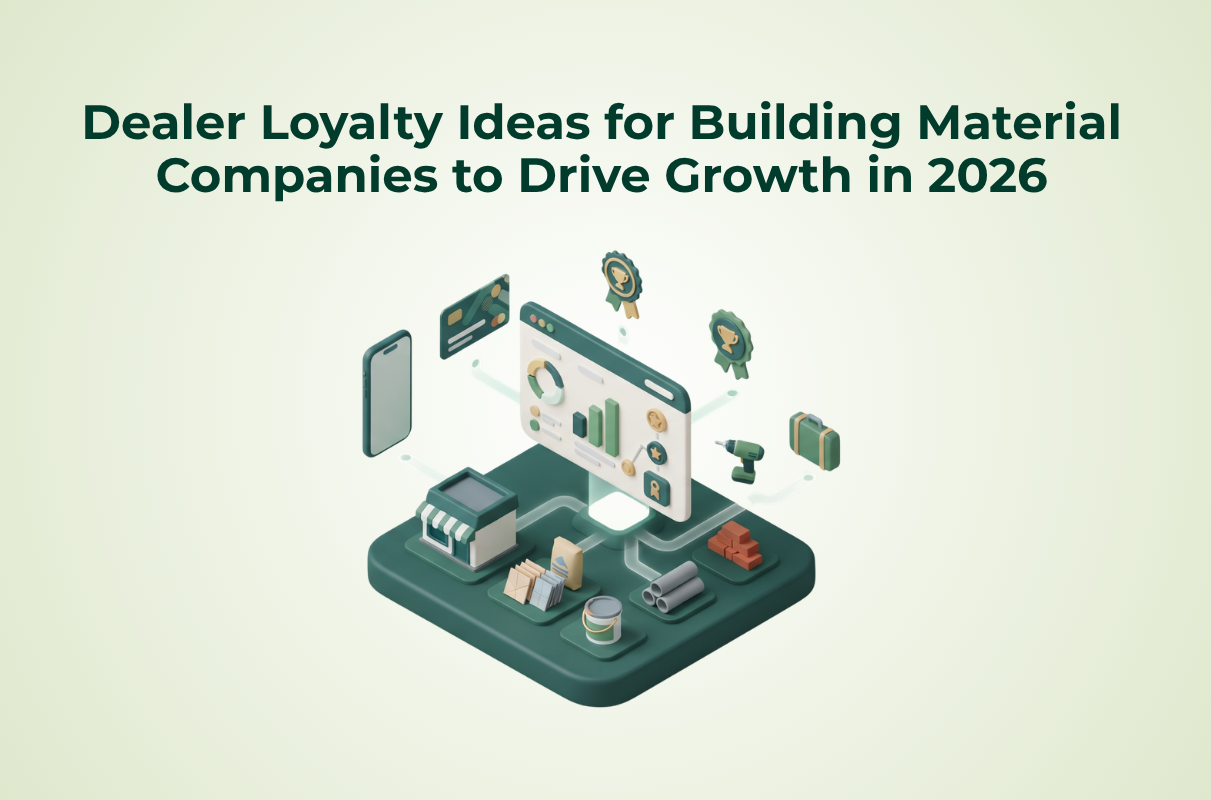
Dealer Loyalty Ideas for Building Material Companies to Drive Growth in 2026
In India’s dynamic building materials sector, sustaining robust dealer loyalty is essential for growth and market leadership. With competitive pressures intensifying and channel partners playing a vital role in distribution, companies must innovate dealer loyalty ideas for building material companies that strengthen engagement, incentivize performance, and foster long-term collaboration.
Market Context and Industry Developments
The Indian building material industry is expanding rapidly, driven by infrastructure development, urbanisation, and government initiatives like Housing for All and smart cities. Dealers and distributors are the critical touchpoints for manufacturers to reach end users effectively across diverse geographies and customer segments.
However, dealer loyalty remains a challenge due to multiple competing brands, fragmented markets, and rising dealer expectations for meaningful incentives and support. Research shows that Indian dealers value reward programs that offer immediate gratification, flexibility in redemption, and recognition aligned with business outcomes.
Emerging Trends in Dealer Loyalty for 2026
Looking ahead to 2026, dealer loyalty programs are evolving to incorporate digital transformation, personalised rewards, and gamified engagement to boost participation and sales performance. Key trends include:
- Digital Rewards and Instant Gratification: Dealers prefer reward points or cashback redeemable instantly via digital wallets or UPI payments, enhancing immediacy and satisfaction.
- Multi-channel Incentive Platforms: Integrated platforms support dealer engagement via mobile apps, SMS, and web portals, providing transparency and ease of participation.
- Tiered and Gamified Programs: Reward tiers and gamification elements increase motivation through challenge and recognition, driving repeat business.
- Experiential and Lifestyle Rewards: Travel, entertainment, and dining rewards resonate well with dealers seeking premium incentives beyond conventional cash or vouchers.
Practical Implications for Marketers and Channel Leaders
For B2B marketers, trade teams, and channel leaders in building materials, implementing dealer loyalty ideas means designing programs that align incentives with business priorities: acquisition, repeat orders, upselling, and loyalty maintenance.
Key focus areas include seamless integration with sales processes, offering rewards valued by dealers, and providing real-time data analytics to measure program impact and fine-tune engagement strategies. Employee incentive programs can also complement dealer incentives by boosting internal sales motivation.
RewardPort Perspective and Solution Approach
At RewardPort, we specialise in channel partner incentive programs tailored for building material companies. Our solutions combine:
- Digital Reward Fulfilment: Instant cashback via UPI, multi-brand vouchers, and points redeemable across lifestyle, travel, and entertainment categories.
- Gamification Engine: Engaging branded games and contests to increase dealer participation and motivation.
- Comprehensive Analytics: Real-time tracking of dealer engagement, sales uplift, and redemption patterns to optimise campaigns.
- Plug-and-Play Modules: Including Dealer & Channel Partner Incentive Programs and Employee Incentive Programs that ensure rapid deployment and easy management.
Verified RewardPort Case-Study Learnings
RewardPort extensive experience spans over 11,000 programs and 7 million engaged customers annually, including dealer loyalty initiatives that demonstrate sales growth through targeted incentives. For instance, dealer programs combining cashback and multi-brand voucher rewards have delivered higher repeat purchases and channel push in fast-moving B2B categories.
Practical Recommendations for Implementation
To build an effective dealer loyalty program for building material companies in 2026, consider these steps:
- Identify key business goals and the dealer behaviors to influence (e.g., increased sales volume, new product adoption).
- Design a tiered rewards structure with instant gratification and aspirational rewards.
- Leverage digital platforms for easy participation and reward redemption.
- Incorporate gamification elements to enhance engagement and competition.
- Use analytics dashboards to monitor program success and adapt strategies.
- Complement dealer programs with internal employee incentives to align objectives.
Dealer loyalty ideas for building material companies are more critical than ever in 2026 as competition intensifies and dealer expectations evolve. By adopting integrated, digitally driven incentive programs with RewardPort expertise, Indian building materials companies can drive engagement, enhance sales performance, and build lasting partner relationships that fuel sustained growth.