
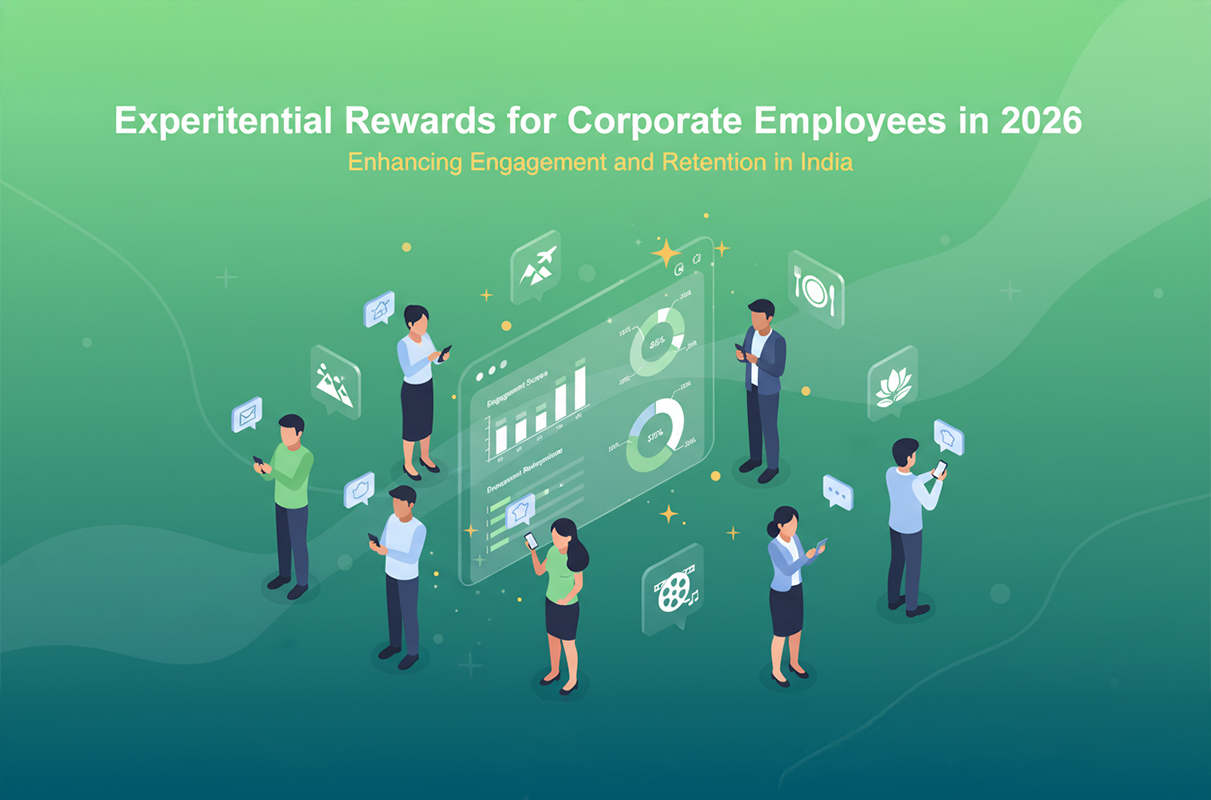
Explore 2026 trends in India’s premium and mass-market reward preferences, highlighting RewardPort tailored loyalty solutions for B2B marketers and channel leaders.
Premium vs. Mass-Market Reward Preferences in India: Strategic Insights for Marketers in 2026
India’s consumer landscape is witnessing a dynamic shift from mass-market rewards to premium-focused incentives, driven by rising affluence and evolving aspirations. Understanding these nuances is critical for B2B marketers, trade leaders, and HR/channel heads aiming to design impactful loyalty and incentive programs. RewardPort, with its comprehensive execution models and reward catalog, is uniquely positioned to partner in crafting these differentiated strategies.
Context: The Rise of Premium in India’s Consumer Market
Between 2024 and 2026, premium products across FMCG, beauty, fashion, and food sectors outperformed mass-market segments. Despite moderate overall economic growth, Indian consumers increasingly trade-up, seeking quality, experience, and identity in their purchases—including channel incentives and employee rewards. Penetration of premium categories such as hair serums, dark chocolates, sensitive toothpaste, and health biscuits has surged, reaching and engaging diverse customer bases beyond metros into Tier 2 and Tier 3 cities.
Changing Reward Preferences: From Mass Cashback to Experiential Premium
Reward preferences mirror the broader premiumization trend. Whereas mass-market incentives focused heavily on cashback and basic vouchers, there is now a clear tilt toward experiential and wellness rewards. Dining, travel, advanced skincare, and tier-based coalition loyalty programs are gaining preference, especially among millennials and Gen Z. These segments prioritize value alignment, trust, and memorable experiences over transactional incentives. The loyalty programs market in India is projected to nearly quadruple by 2035, reflecting a growing appetite for sophisticated and layered reward structures. Channel partners and employees increasingly engage with tiered and coalition programs that offer varied redemption options, thereby driving sustained engagement.
RewardPort Perspective: Tailoring Solutions to Premium and Mass Market Needs
As India’s specialist in consumer promotions and loyalty programs, RewardPort understands the importance of aligning reward strategy with evolving preferences: – Segmented Execution Models: From cashback engines for mass-market rapid activation to curated luxury and experiential rewards such as Travel (AirPac, VacPac), Entertainment (Movie tickets, OTT subscriptions), and exclusive dining or wellness vouchers. – Channel Partner Incentives: Programs like Channely integrate CRM/ERP for dealer loyalty and provide curated travel and multi-brand vouchers, encouraging upmarket participation even in non-metro networks. – Employee Engagement: RewardPort Employee Incentive Programs leverage gift vouchers and merchandise catalogues to boost motivation through premium tiers and experiences. – Case-Backed Insights: For instance, driving premium sales via assured gifts and monthly experiential rewards has shown notable uplifts—as in Philips’ movie ticket campaigns or VIP Bags’ travel incentives that expanded premium product reach.
These approaches provide a balance between aspirational premium rewards and broad-based accessibility, catering to diverse consumer segments across India’s evolving markets.
Implementing Effective Premium Reward Campaigns in 2026
To capitalize on premium preference trends: – Use Gamification and Digital Engagement: Tools like RewardPort Gamification Engine and WhatsApp Redemption Flow enhance discovery and instant gratification, particularly key for younger demographics. – Leverage Tiered and Coalition Loyalty: Build multi-brand catalogs and tier multipliers to drive repeat participation and deeper emotional connect. – Focus on Experiential Rewards: Offering travel, dining, wellness, and entertainment vouchers taps into lifestyle aspirations, yielding high redemption rates and memorable brand interactions. – Adapt to Regional Dynamics: Design small pack rewards and localized offerings that suit Tier 2/3 markets without losing premium appeal.
India’s premium vs. mass-market reward landscape is rapidly evolving, with premiumization becoming mainstream even in smaller cities and rural channels. For marketers, leveraging RewardPort expertise, award-winning execution modules, and rich reward catalog enables crafting nuanced, data-backed loyalty programs and incentives that align with consumer aspirations, driving growth and deepening engagement in 2026 and beyond.
Frequently Asked Questions
What defines experiential rewards in the context of employee recognition?
Experiential rewards are non-monetary incentives that provide employees with memorable activities, such as travel, events, learning opportunities, or wellness experiences, designed to create lasting emotional engagement beyond cash bonuses.
Why are experiential rewards gaining traction in India’s corporate sector?
Experiential rewards align with evolving employee expectations for personalized, meaningful recognition. They foster stronger loyalty, improve morale, and support hybrid workforce engagement, making them effective tools for talent retention in India’s competitive market.
How can RewardPort support the implementation of experiential rewards?
RewardPort offers modular solutions—including gamification, travel rewards, and digital voucher engines—that enable companies to design, execute, and track experiential programs tailored to diverse employee segments with real-time impact measurement.
What measurable business outcomes can companies expect from implementing experiential rewards?
Organizations typically see increased employee satisfaction, reduced attrition, enhanced productivity, improved company culture, and stronger employer branding, all of which contribute to improved business performance and ROI on recognition investments.